Start for as low as $169 down. Enroll today and pay over time.
Start for as low as $169 down. Enroll today and pay over time.
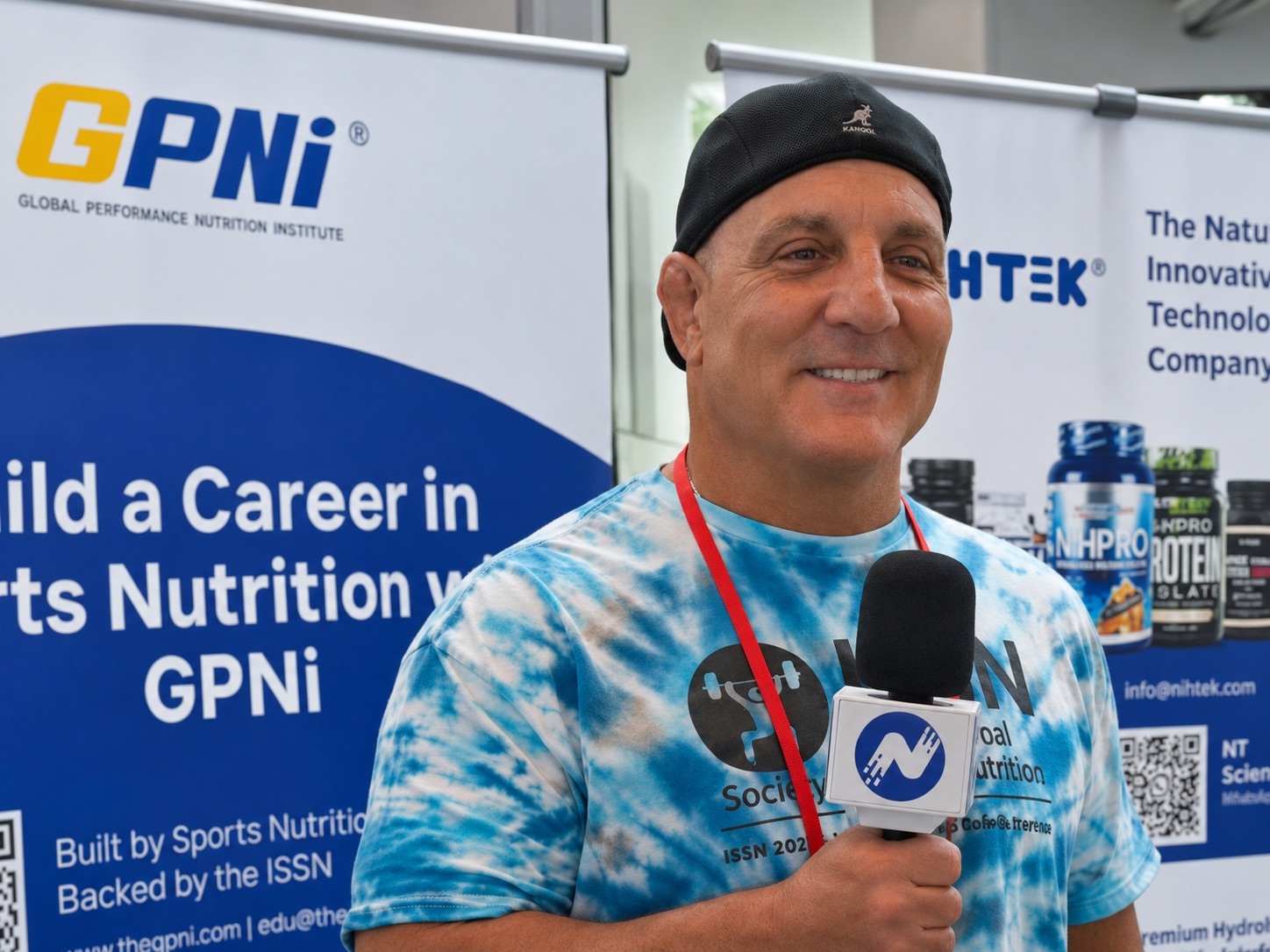
“I didn’t know enough about food.” Tony Ricci wasn’t describing a training programme that had gone wrong. His athletes were doing well. They were gaining strength and developing power, exactly what he had trained them to do. What bothered him, around 2002, was how little his success as a strength coach told him about another part of their performance.
“I didn’t know enough about food.”
— Tony Ricci
Ricci started out in strength and conditioning. He had a fairly straightforward way of knowing whether part of his work was going well: his athletes were developing strength and power. A coach who can produce those results has something worthwhile to teach. What the results couldn't tell him was how well he understood what those athletes were eating. Nothing in the training numbers required him to ask. He asked anyway.
He dates the turning point to a conference talk around 2002. The speaker described the relationship between what people put into their bodies and what they could do physically. Ricci had worked on one side of that relationship for years. Listening to someone explain the other made him want to study food with the same seriousness he had brought to training.
His academic background now includes separate master’s degrees in sport science and human nutrition, and a doctorate in sport psychology. At Nova Southeastern University, where he is an assistant professor in exercise and sports science, his teaching spans strength and conditioning and performance psychology. He also founded FightShape International and has worked with professional combat-sport athletes. A fighter doesn’t turn into a different person on leaving the weight room. The person who has just trained for power is also the one who has to find time to eat and concentrate when the next session begins.
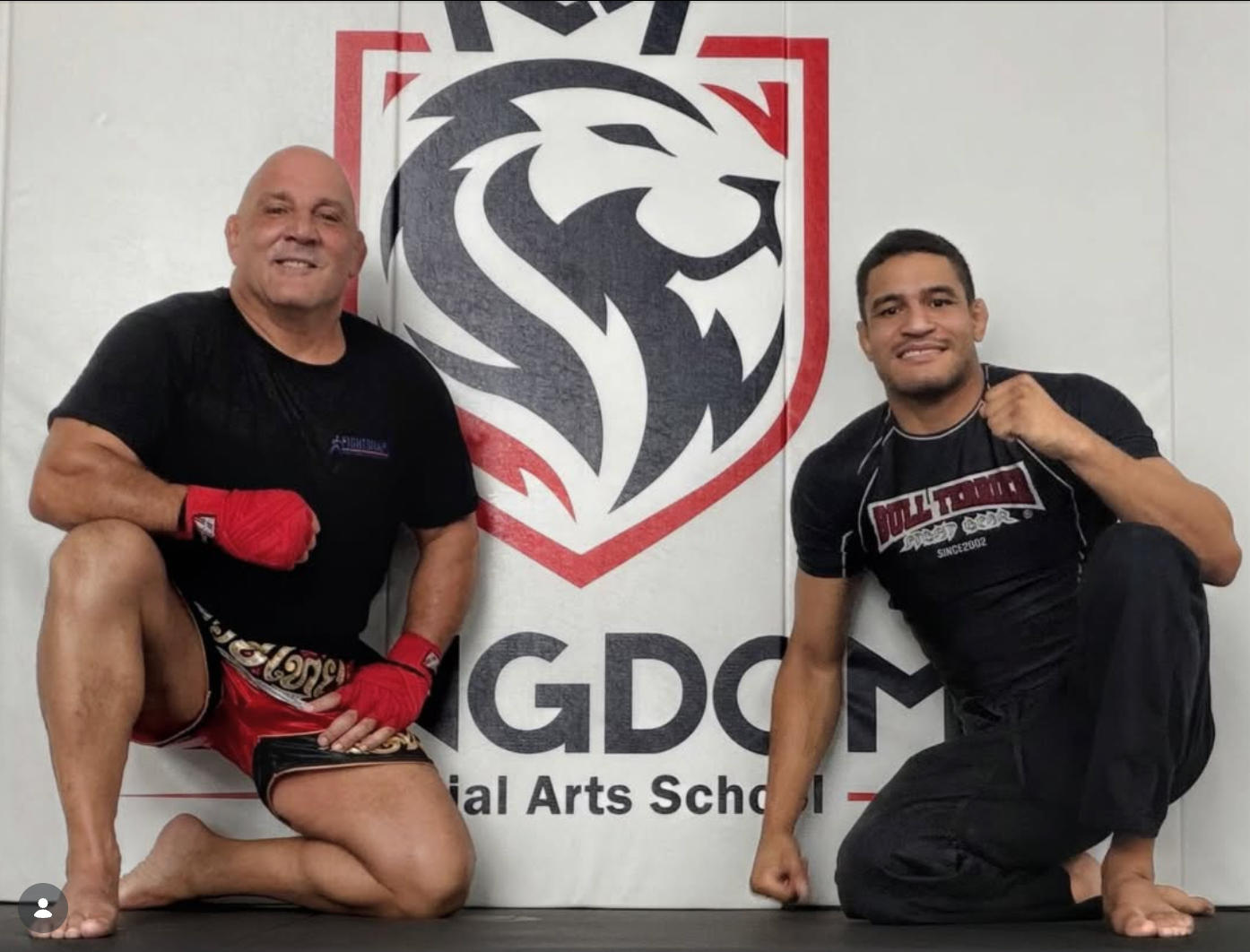
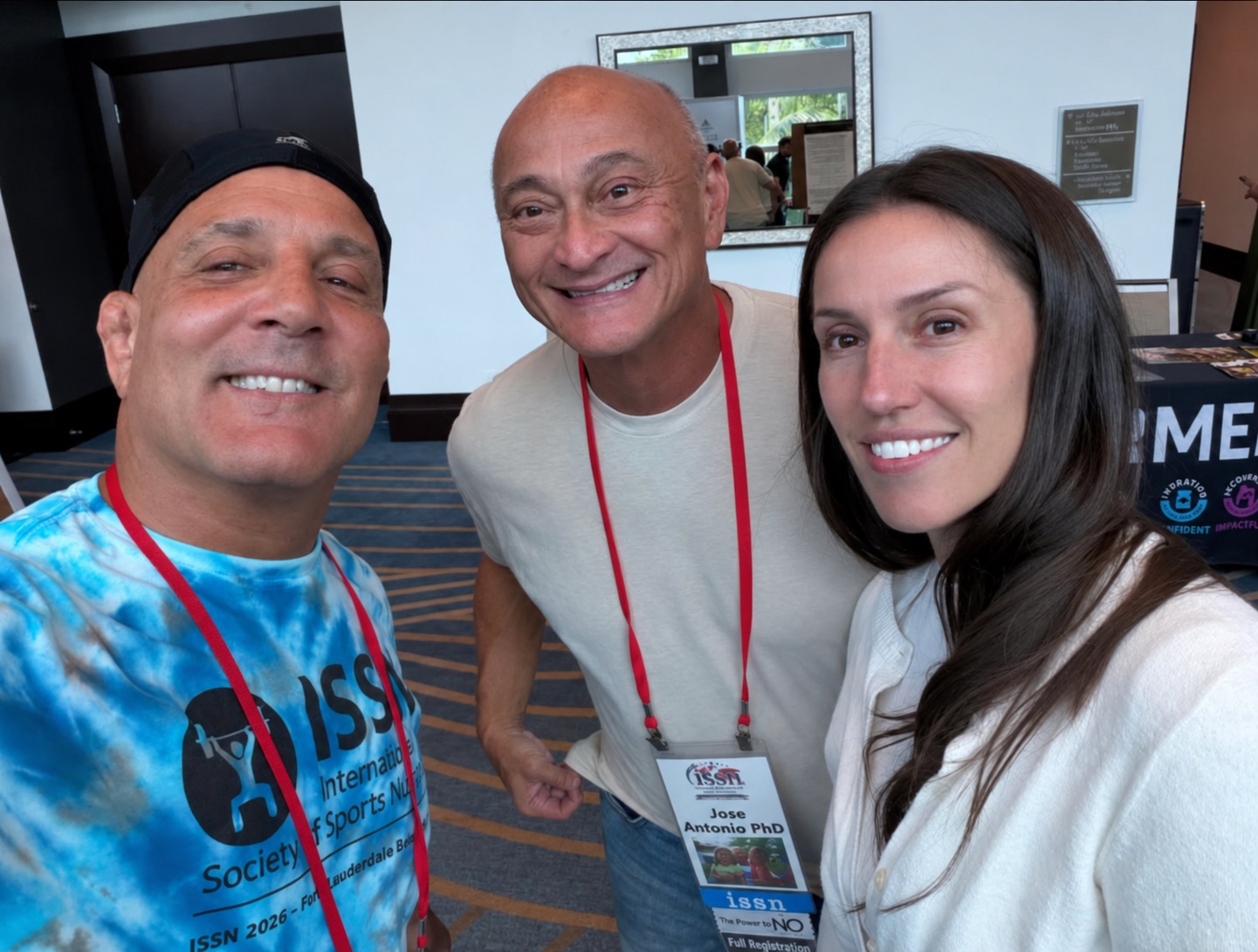
Ricci knew Jose Antonio first as a name on research papers. He remembers hearing about efforts to give sports nutrition a stronger place in higher education well before he attended an ISSN meeting himself. He puts his first visit at around 2009. By the time he spoke to GPNi® at the 2026 conference, the society had been part of his professional life for roughly seventeen years.
What he describes is a surprisingly comfortable place for someone still learning a subject. The people doing work he admired were there, and they were good company. For a coach used to being the one with the answers, that matters. It is easier to pursue a gap in your knowledge when you can ask a researcher a basic question and stay for the rest of the conversation.
Ricci has a favourite way of bringing students back to the subject he once overlooked. Think of potassium and magnesium, he suggests. Then think of the protein and carbohydrates an athlete eats. “We don’t breathe any of that in.” It’s an oddly memorable line for something so ordinary. A coach can programme a session down to the last repetition and still know almost nothing about the food that athlete has access to for the rest of the day.
For a young coach, there’s a practical distinction here. Asking an athlete when they last had a chance to eat is different from assuming you know what they need, let alone prescribing it. The answer may lead to a conversation with a qualified sports dietitian. It may simply show how little of someone’s day you see from the gym. Ricci’s athletes were getting stronger back in 2002. He was right to take pride in that result, and just as right not to take it as proof that he understood the whole athlete.
What question from an athlete has made you reconsider what you need to learn next?
Follow Tony Ricci
Instagram: https://www.instagram.com/sportpsy_sci_doc/
Facebook: https://www.facebook.com/tony.ricci.395/
LinkedIn: https://www.linkedin.com/in/prof-tony-ricci-sportscience-sportpsychology/
GPNi® and ISSN-aligned education can support careers beyond direct athlete practice. Understanding evidence, mechanisms, dosage, safety, and application also strengthens work in ingredients, product development, technical sales, and customer education.
Explore the pathways:
Latest Articles
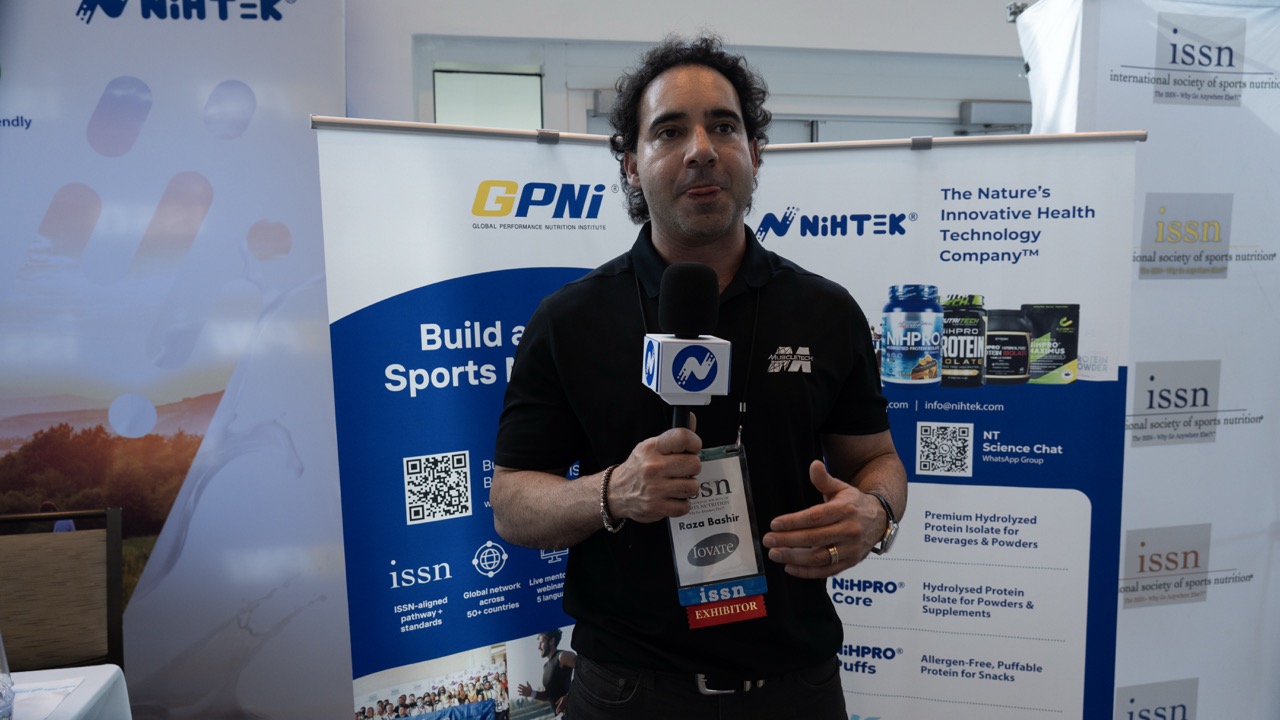
GPNi® Career Insights | From Reading Supplement Labels to Running Iovate
Iovate CEO Raza Bashir traces his path from reading supplement labels to formulating products and explains why his team keeps coming back to ISSN.
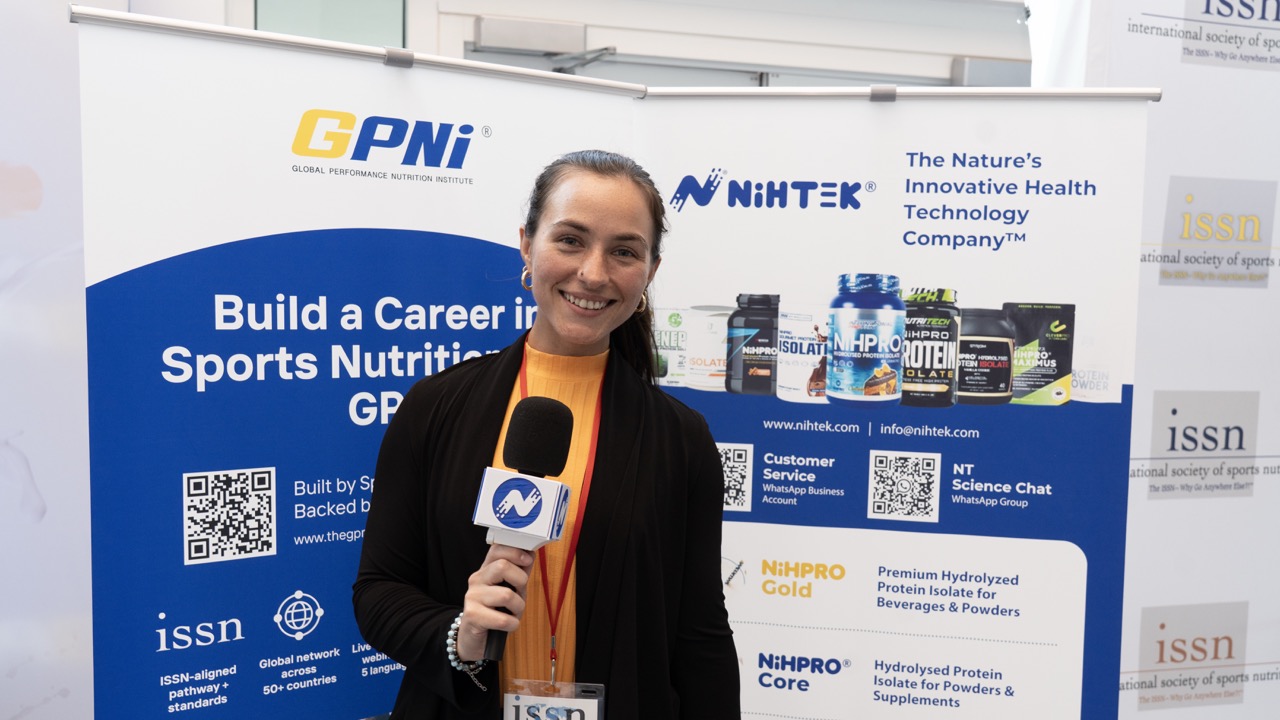
GPNi® Career Insights | Three Ways to Present at Your First Conference
At her first ISSN conference, Allee Schellenberger took on a data blitz, a talk and a poster. Her interest in exercise science began in competitive bodybuilding.
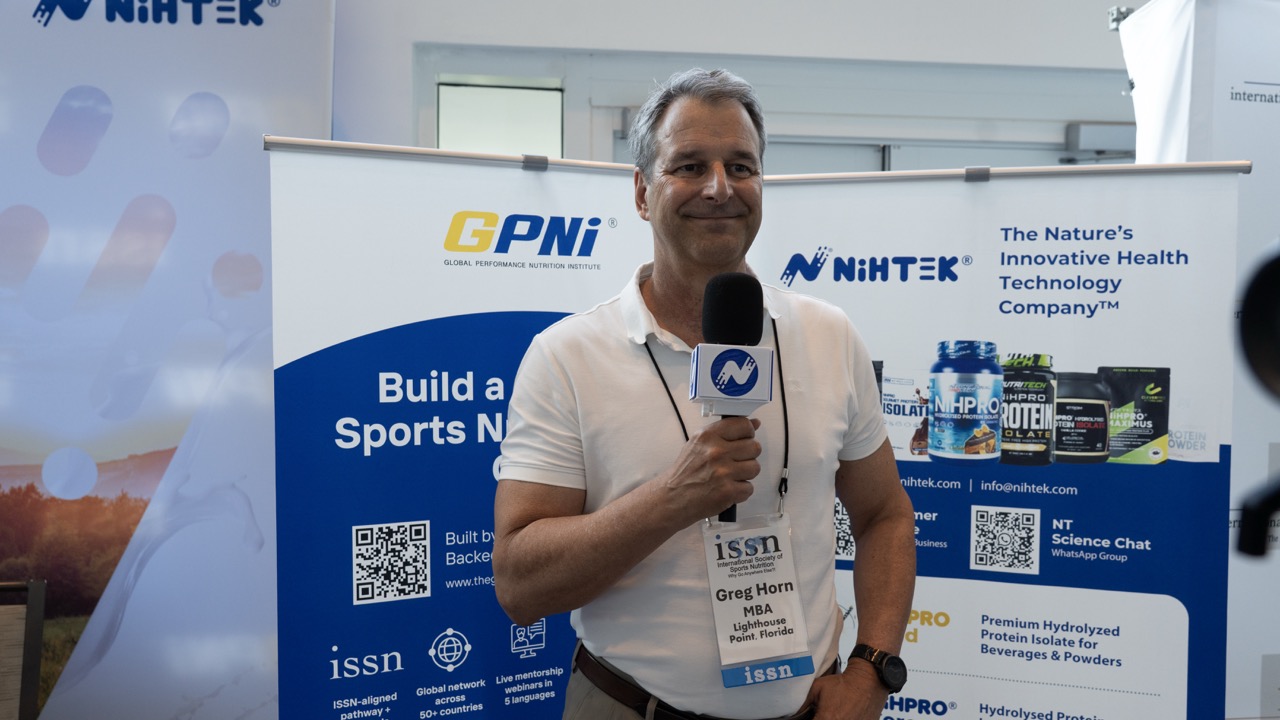
GPNi® Career Insights | What Greg Horn Looks for at the Poster Session
Greg Horn, who originated the CELSIUS drink concept, explains what he looks for in clinical research and why he keeps returning to the ISSN poster session.
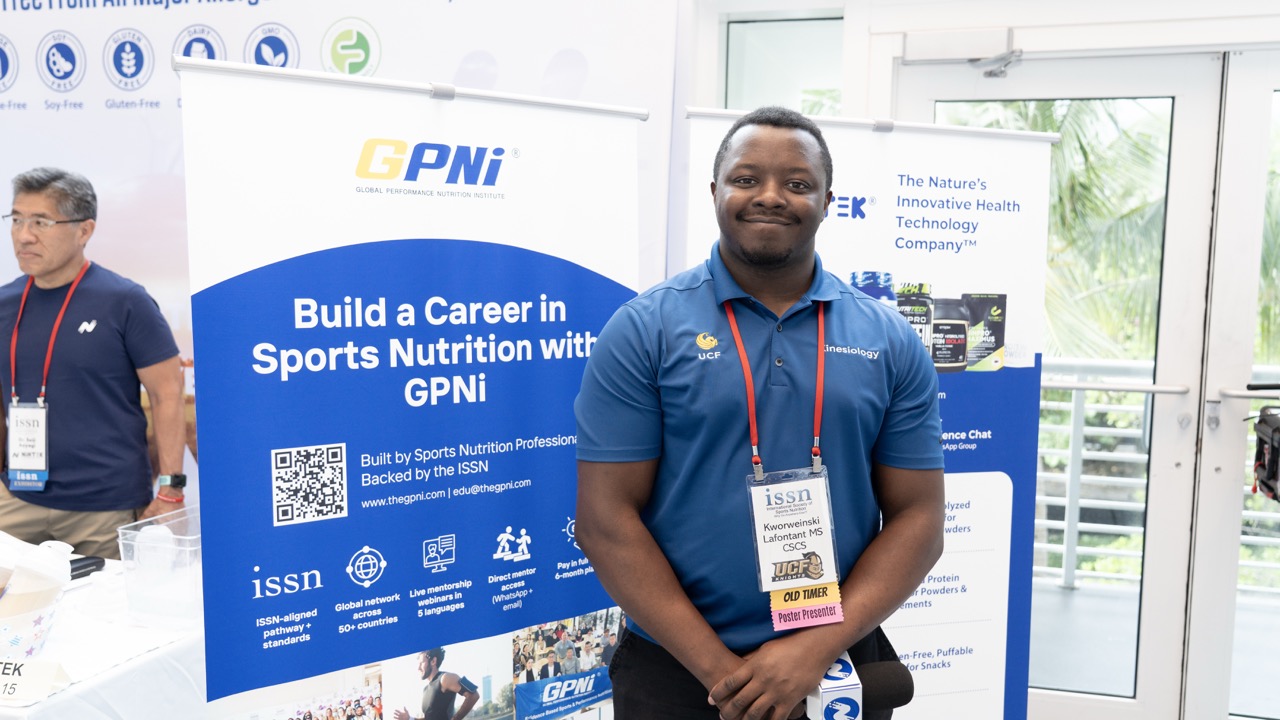
GPNi® Career Insights | The Research Question He’d Rather Share Than Win
Kworweinski Lafontant traces his path from basketball to kinesiology research and explains why sharing an unanswered question can matter more than publishing first.
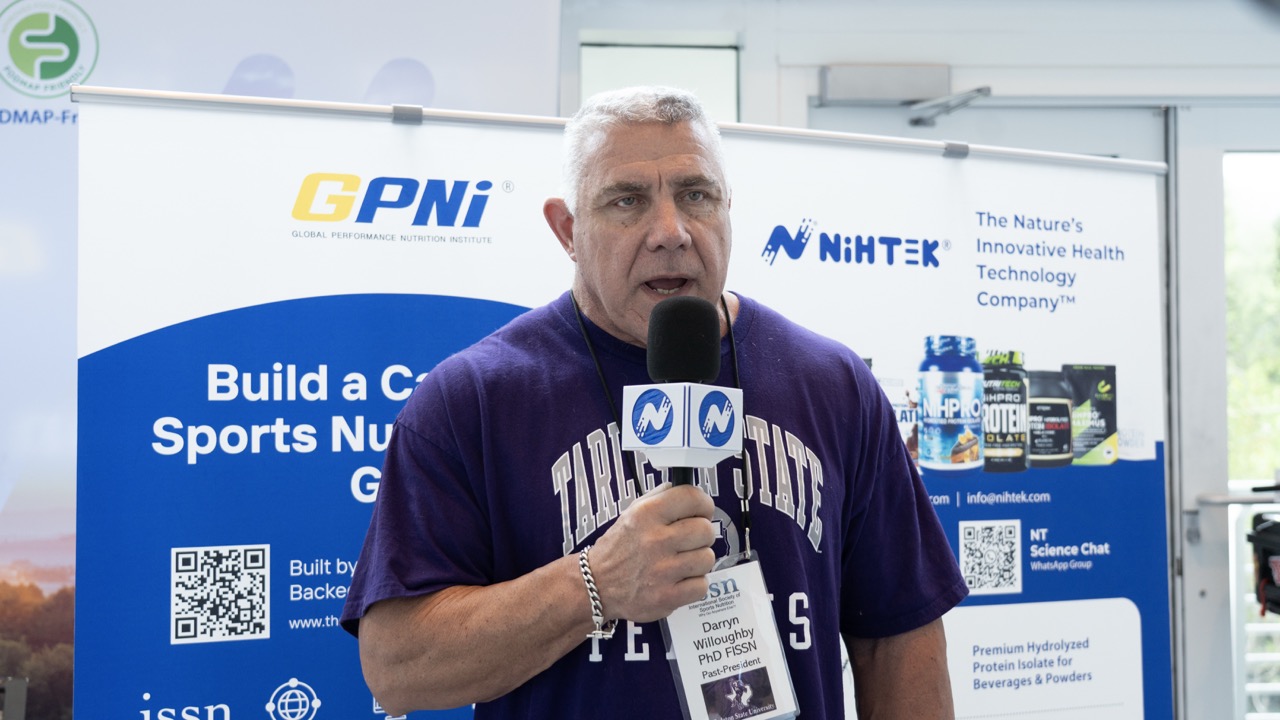
GPNi® Career Insights | What the Bodybuilding Stage Couldn’t Tell Him
Darryn Willoughby recalls how bodybuilding shaped his research on muscle growth and why he helped make a case for a dedicated sports nutrition conference.
Subscribe to our newsletter and receive a selection of cool articles every week
GPNi® Career Insights | From Reading Supplement Labels to Running Iovate
19 Nov, 2026
GPNi® Career Insights | Three Ways to Present at Your First Conference
19 Nov, 2026
GPNi® Career Insights | What Greg Horn Looks for at the Poster Session
19 Nov, 2026
GPNi® Career Insights | The Research Question He’d Rather Share Than Win
19 Nov, 2026
About