Start for as low as $169 down. Enroll today and pay over time.
Start for as low as $169 down. Enroll today and pay over time.
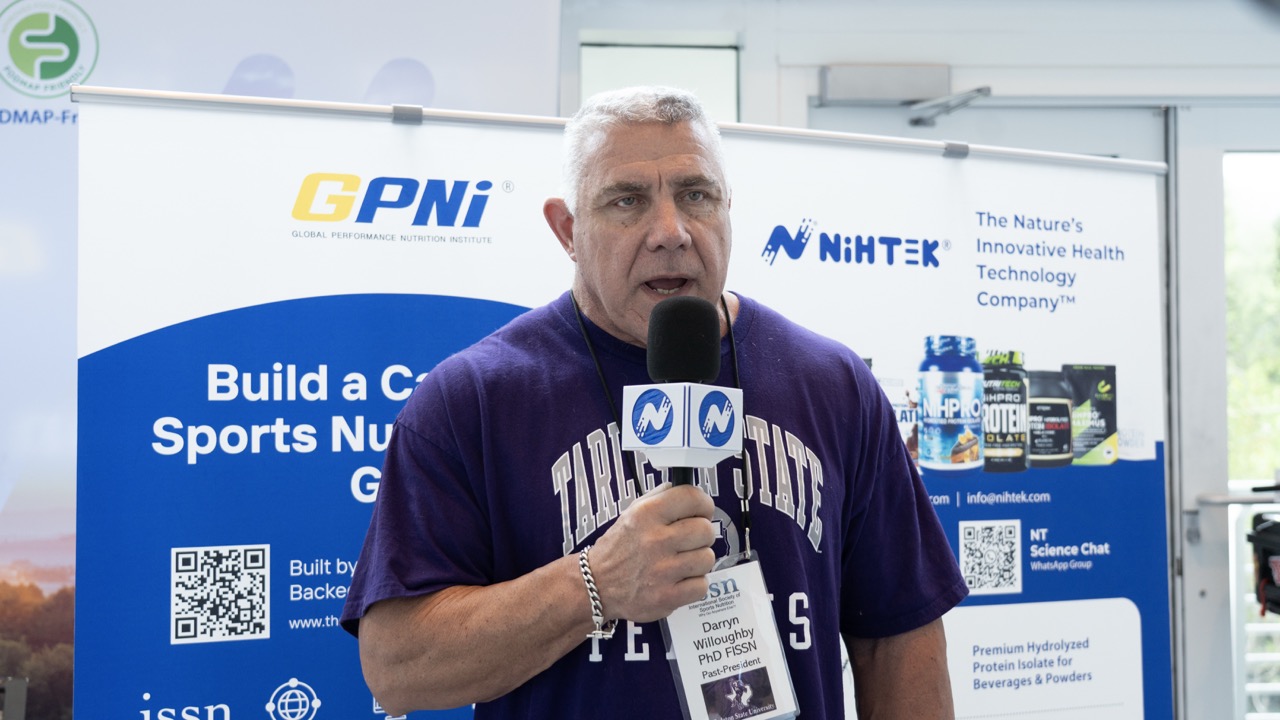
Darryn Willoughby remembers the nutrition advice he learned in high school: eat enough and cover the four food groups. It gave him somewhere to start. It didn’t tell him why his muscles grew when he trained, or why food seemed to matter so much more in the weeks before a bodybuilding contest.
“Don’t doubt the process.”
— Darryn Willoughby
For part of the year, Willoughby wanted his muscles to grow. As a contest approached, he wanted to lose enough body fat for a judge to see the muscle he had built. The same athlete, doing much of the same work in the gym, was asking two quite different things of his diet. He enjoyed watching his physique change. He was just as interested in how it happened.
That distinction can get lost in a photograph taken on contest day. The photograph shows what the athlete looked like at the end of a preparation. It says little about the preceding months: which part of the change came from training, what difference the food made, or whether the same approach would suit someone whose goal was to perform rather than pose. Those were questions worth taking offstage.
Willoughby went on to earn a PhD in exercise physiology. His training included neuromuscular physiology, nutritional biochemistry and molecular biology. Seen on a faculty profile, those can look like separate interests. Seen from the gym, they fit together: a bodybuilder wants to know what to eat when training for muscle growth; a physiologist wants to understand how the muscle responds. By the time GPNi® spoke with him at ISSN 2026, the professor at Tarleton State University had spent much of his career working on the ground between those questions.
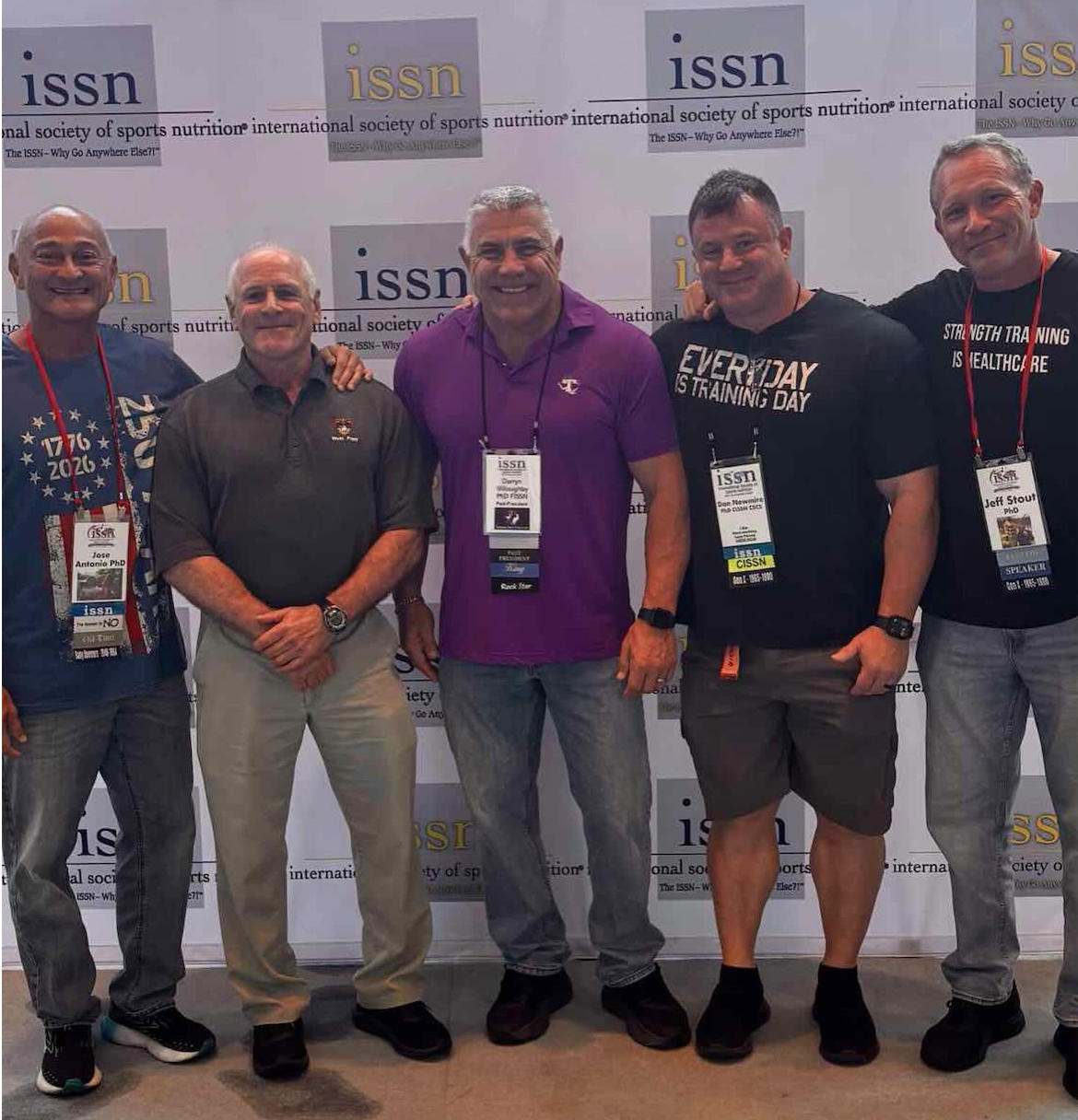
In the early discussions about forming a sports nutrition society, Willoughby and his colleagues kept coming back to the same need. They wanted a meeting where a discussion about supplements could go straight into exercise physiology. How did the body respond? What might explain the response? The mechanism was as much a part of the conversation as the result.
Willoughby is careful about his part in that history. He took part in early discussions and planning; a smaller group, he says, did the groundwork of establishing the organisation. He remembers the first ISSN conference, held outside Las Vegas in 2004, less for its size than for the excitement it generated. People who had wanted a place to discuss these questions finally had one. Then came the less glamorous job of giving everyone a reason to come back.
For Willoughby, that meant turning up with work of his own. Findings from his lab made their way into ISSN presentations, and by his count he has missed only a couple of meetings since the beginning. Now a past president, he takes particular pleasure in seeing younger researchers decide what deserves a place on the programme. They get to ask questions the people at that first meeting might never have thought to ask.
His advice to his younger self sounds, at first, like something one bodybuilder might tell another. In the interview, though, he was talking about science. Early on, he knew food mattered because he could see the difference in his own physique. Years later, what he valued was being able to explain a little more of that difference, and knowing which parts still called for a better experiment.
What have you noticed in training that you would like to see tested in a lab?
Follow Dr. Darryn Willoughby
Instagram: https://www.instagram.com/drdarrynwilloughby/
Facebook: https://www.facebook.com/darryn.willoughby.2025
LinkedIn: https://www.linkedin.com/in/darrynwilloughby/
GPNi® and ISSN-aligned education can support careers beyond direct athlete practice. Understanding evidence, mechanisms, dosage, safety, and application also strengthens work in ingredients, product development, technical sales, and customer education.
Explore the pathways:
Latest Articles
GPNi® Career Insights | His Athletes Were Getting Stronger. He Still Had a Question About Food.
Tony Ricci explains why success as a strength coach sent him back to study nutrition, and what he wants students to understand about food and performance.
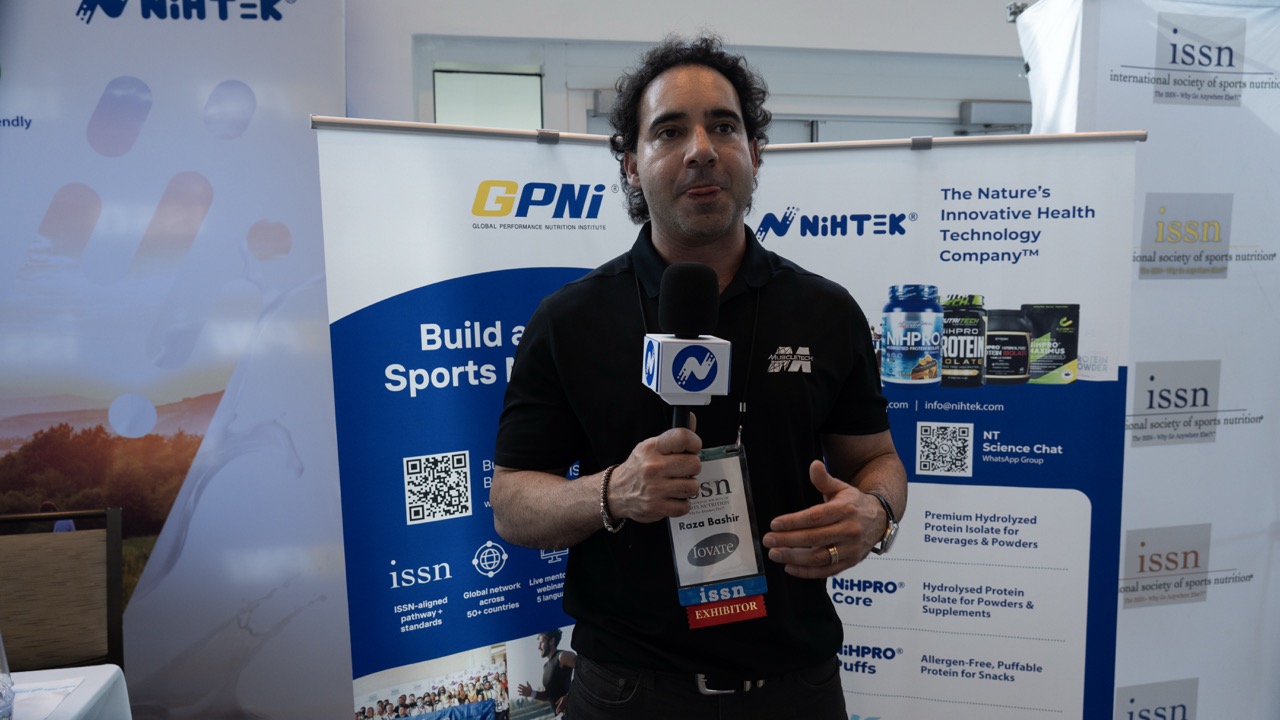
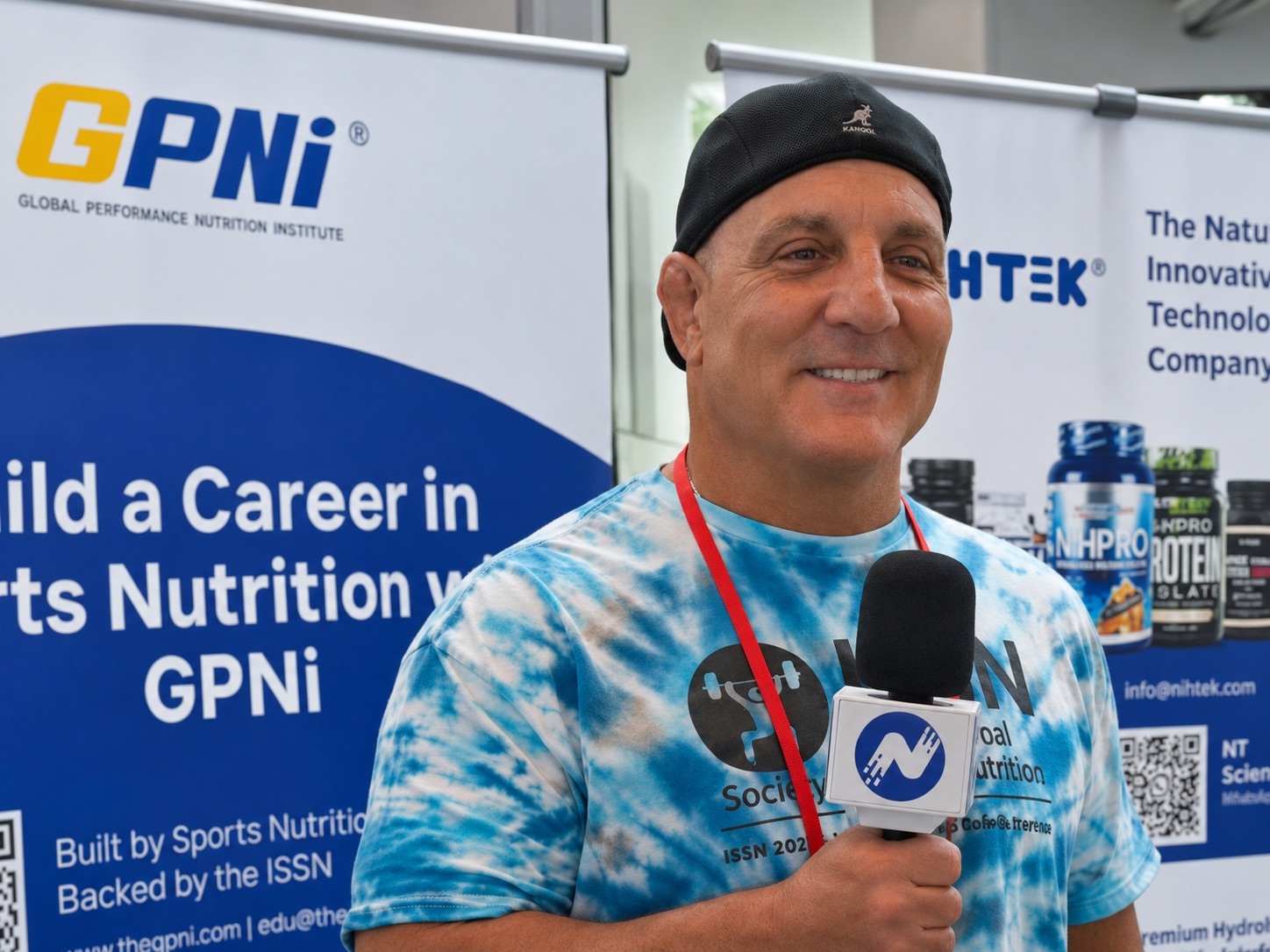
GPNi® Career Insights | From Reading Supplement Labels to Running Iovate
Iovate CEO Raza Bashir traces his path from reading supplement labels to formulating products and explains why his team keeps coming back to ISSN.
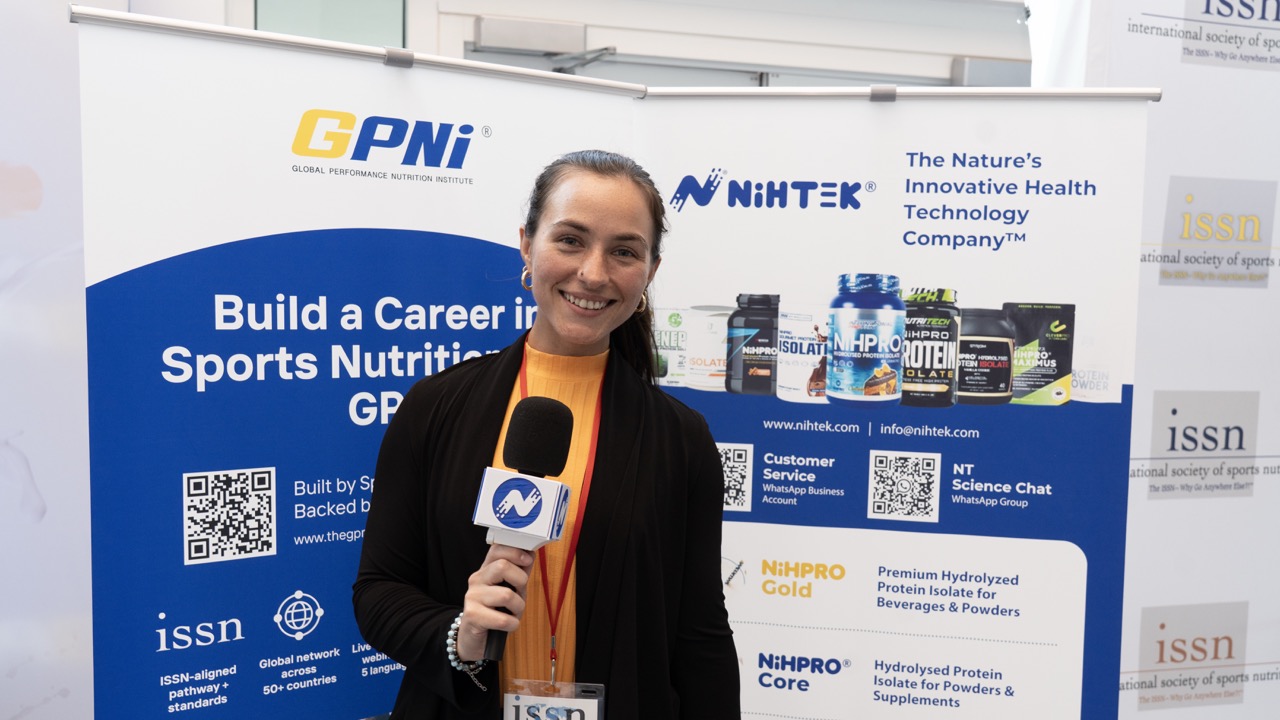
GPNi® Career Insights | Three Ways to Present at Your First Conference
At her first ISSN conference, Allee Schellenberger took on a data blitz, a talk and a poster. Her interest in exercise science began in competitive bodybuilding.
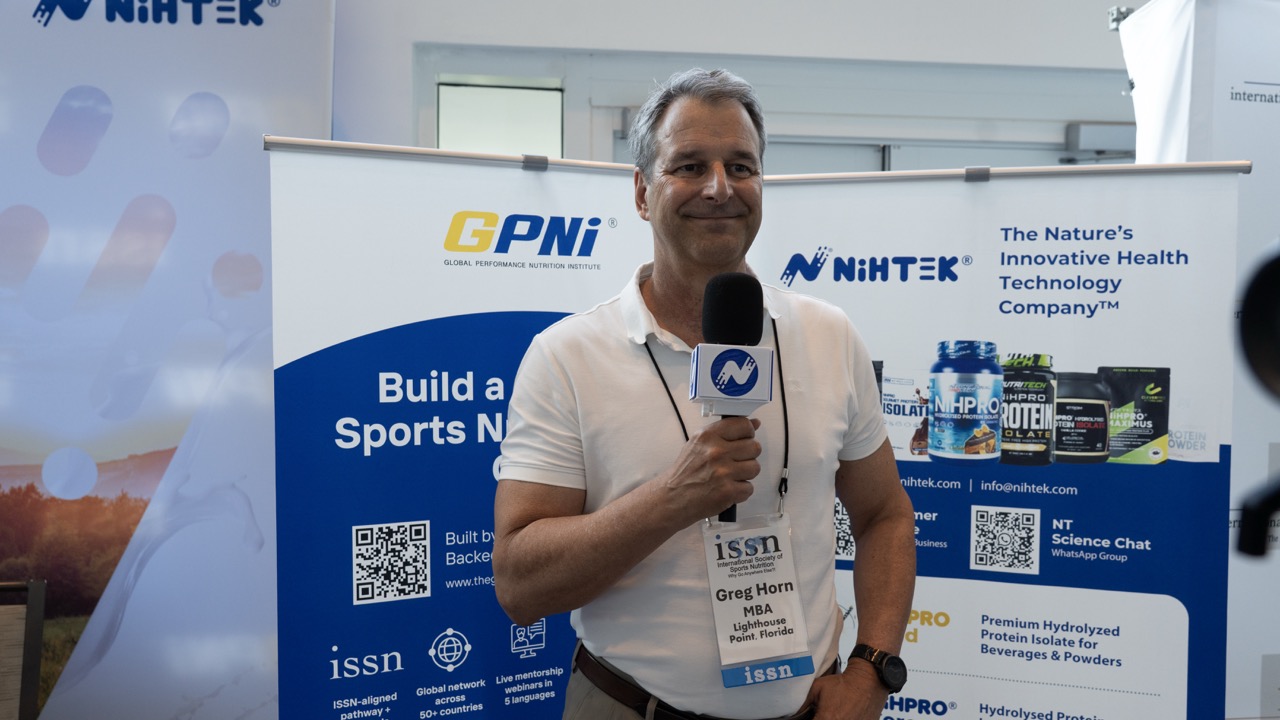
GPNi® Career Insights | What Greg Horn Looks for at the Poster Session
Greg Horn, who originated the CELSIUS drink concept, explains what he looks for in clinical research and why he keeps returning to the ISSN poster session.
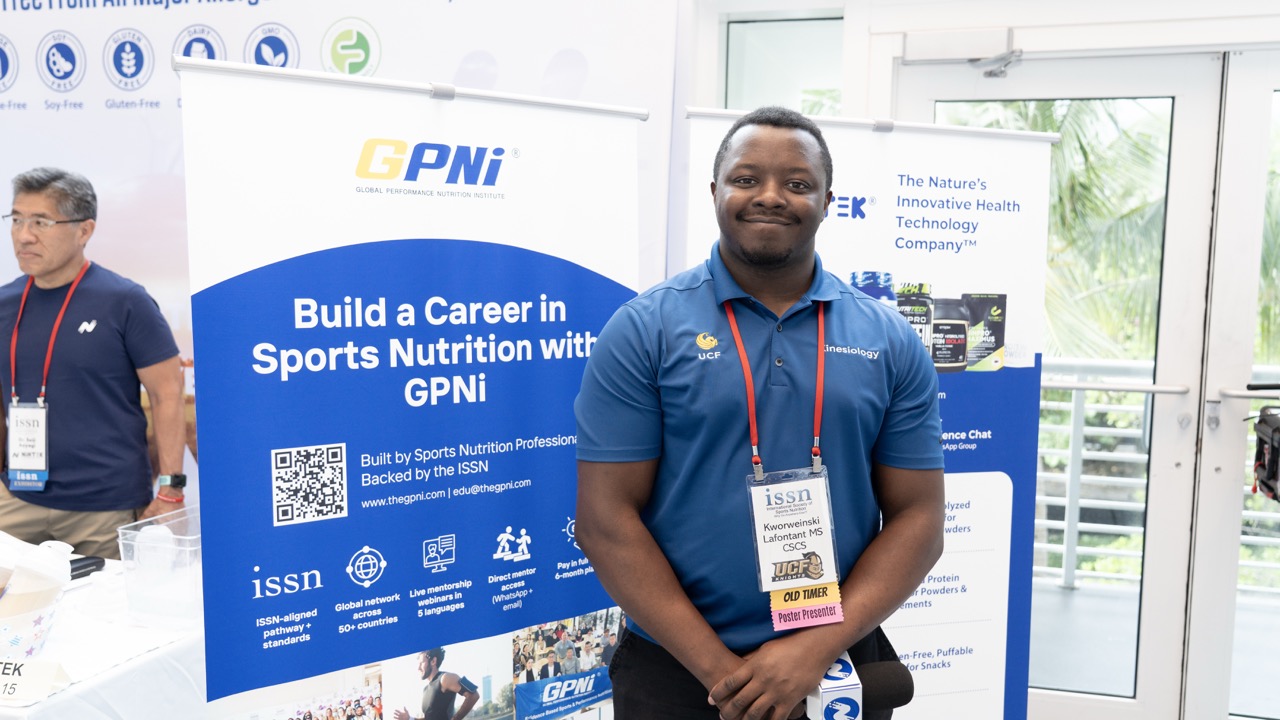
GPNi® Career Insights | The Research Question He’d Rather Share Than Win
Kworweinski Lafontant traces his path from basketball to kinesiology research and explains why sharing an unanswered question can matter more than publishing first.
Subscribe to our newsletter and receive a selection of cool articles every week
GPNi® Career Insights | His Athletes Were Getting Stronger. He Still Had a Question About Food.
19 Nov, 2026
GPNi® Career Insights | From Reading Supplement Labels to Running Iovate
19 Nov, 2026
GPNi® Career Insights | Three Ways to Present at Your First Conference
19 Nov, 2026
GPNi® Career Insights | What Greg Horn Looks for at the Poster Session
19 Nov, 2026
About