Start for as low as $169 down. Enroll today and pay over time.
Start for as low as $169 down. Enroll today and pay over time.
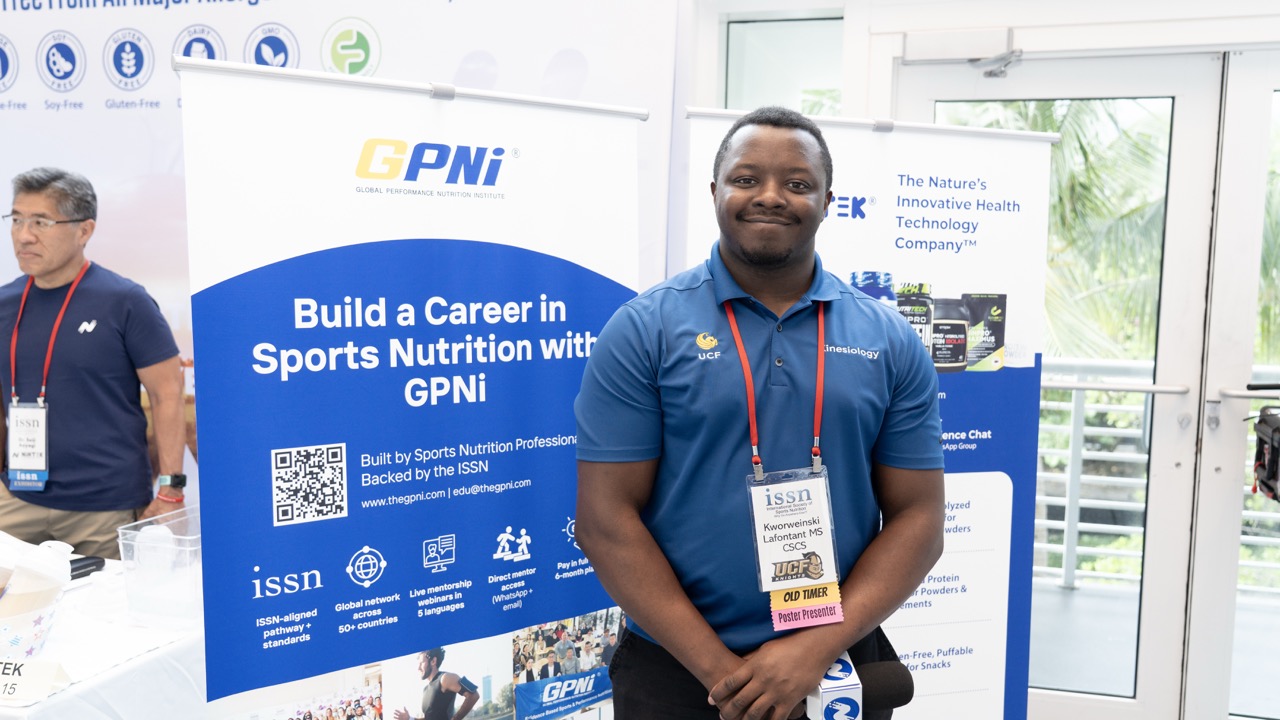
There was a Bowflex in the house and a grand total of three Tae Bo tapes. Kworweinski Lafontant played them over and over because working out was fun. Then there was basketball. If he wanted to go far in the game without being seven feet tall, he figured he had better pay attention to the things he could change, including his training and what he ate.
“What matters is that we together figure it out.”
— Kworweinski Lafontant
At home, exercise meant family trips to the park to shoot hoops. At Hope College, a class with Brian Rider introduced Lafontant to sports nutrition research. Up to then, following his curiosity had mostly meant going online to see what other people already knew. Here was a different prospect: when the answer wasn’t there, he could help produce the knowledge that someone else would eventually look up.
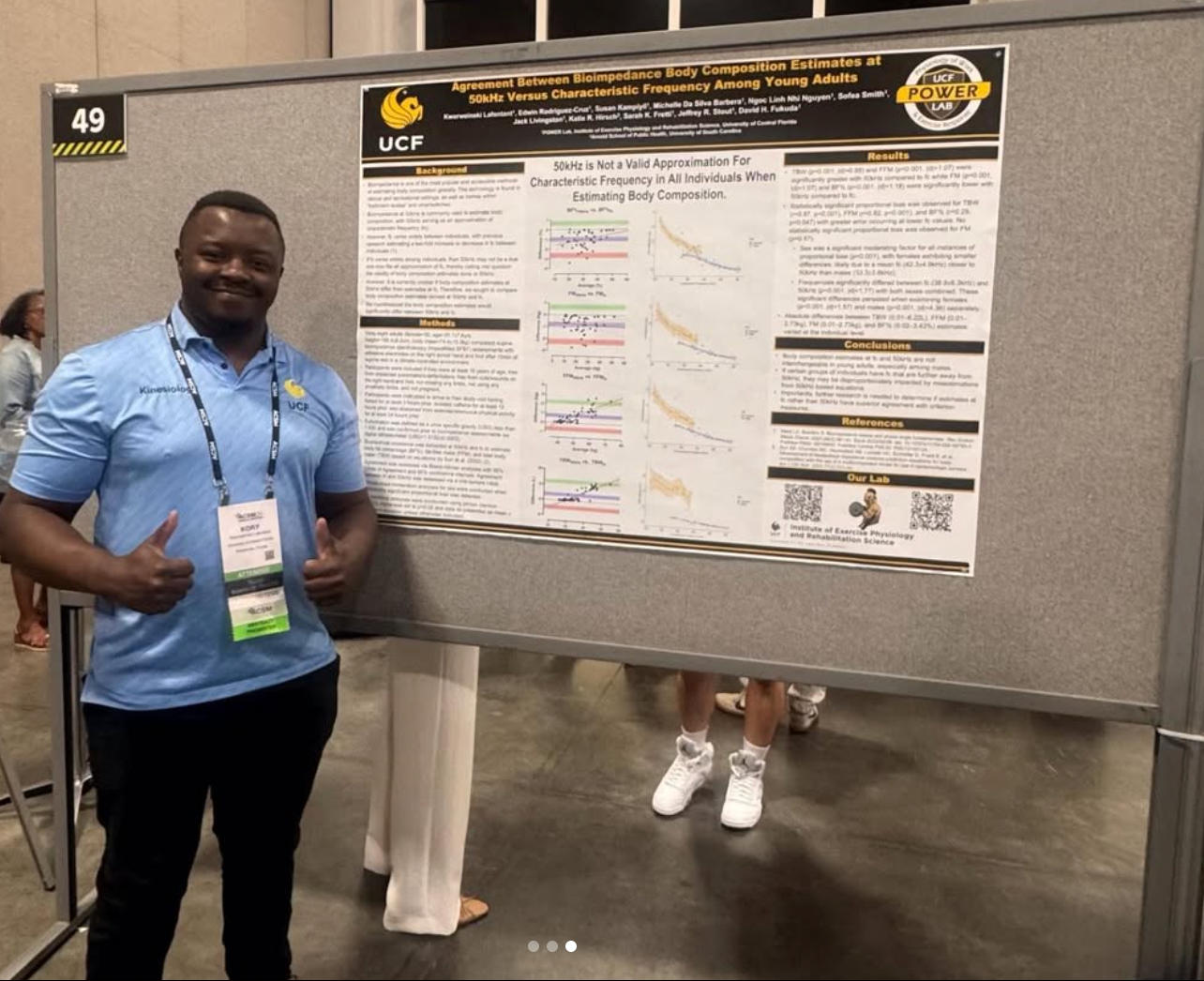
His first ISSN meeting came in 2022, when he was doing his master’s in Bill Campbell’s Physique Enhancement Lab at the University of South Florida. Nobody had to persuade him that a conference would look good on his CV. It was simply what the lab did. He compares it to a dancer’s recital: after months of work that the audience never sees, there is a date on the calendar when you get to show people what you’ve been doing.
By the time he spoke with GPNi® in 2026, he was a fourth-year kinesiology PhD candidate at the University of Central Florida, working with David Fukuda and Jeffrey Stout. It was his fifth consecutive ISSN meeting. The first time, he had come because the people in his lab were going. By the fifth, he could look around the room and point out people he had come back to see.
Ask a former basketball player whether researchers can be competitive and he recognises the feeling immediately. You can want to be the one who publishes first just as badly as you once wanted to win a game. But once Lafontant thinks about the person who actually needs the answer, the comparison starts to break down.
Take the athlete looking for better information about training, or the parent trying to decide what advice to trust. Neither gains much from knowing that a researcher in Florida beat someone in Texas to publication. Both stand to gain if the two researchers can answer a question neither could settle alone. Lafontant’s advice when you reach the limits of what you know is unexpectedly modest: write down the question. You may not have met the person who can help with it yet.
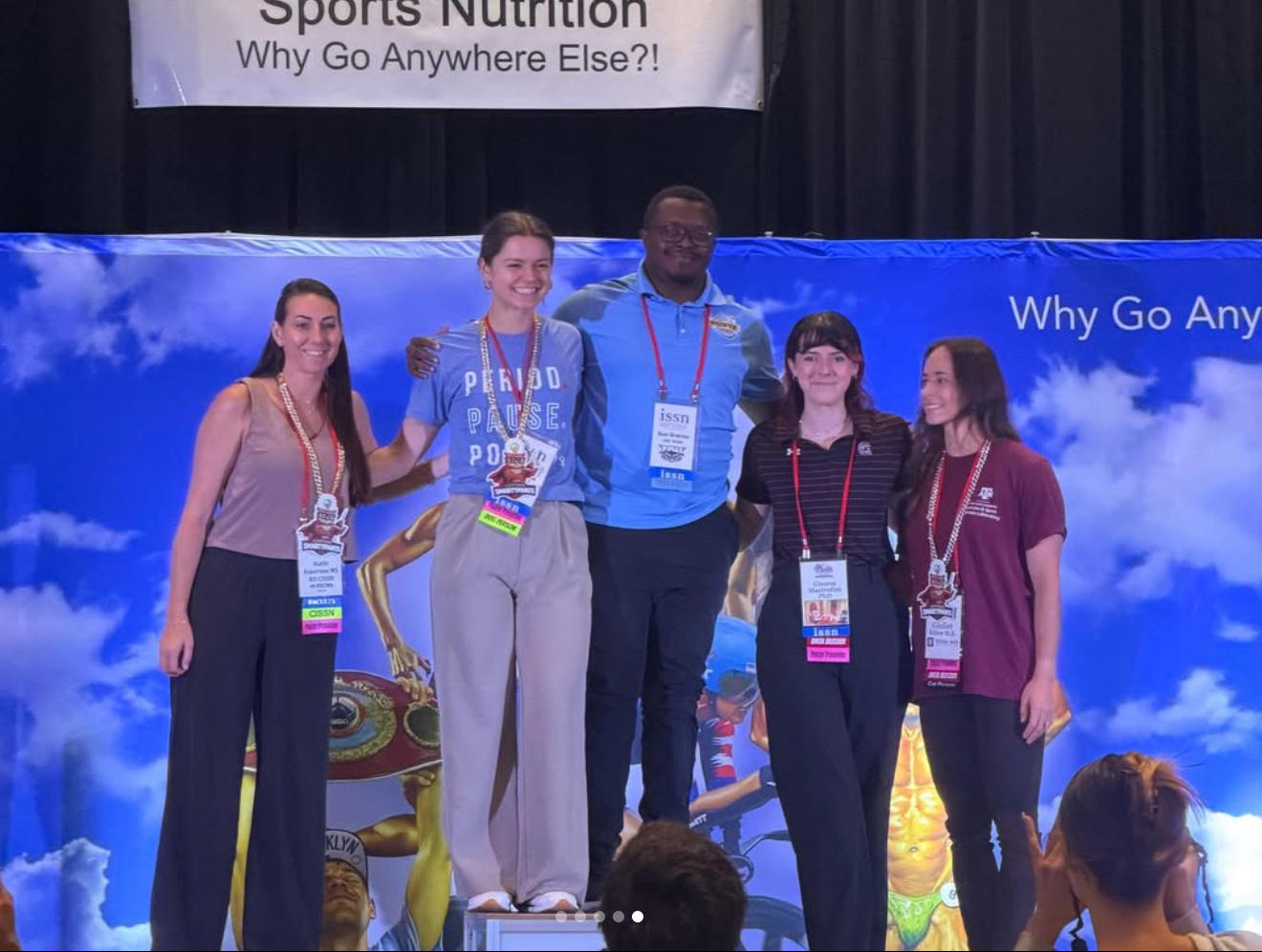
Lafontant likes being able to keep in touch with colleagues across states. Seeing them in person is different. You can pick up where you left off last year, hear what happened to a project and find out that someone you already know has been working on a problem close to yours. That is a better explanation for five consecutive meetings than the rather bloodless instruction to “network.”
He also sees a responsibility in calling a conference welcoming. A student who has never attended has no way of knowing what the people there are like. What that student does know is how the people in their own lab treat them. For Lafontant, this is where the invitation begins: take someone’s question seriously at home and they have a reason to believe you when you say there’s a whole room of people who would do the same.
Which question would you write down now, and who might help you answer it?
Follow Kworweinski Lafontant
Instagram: https://www.instagram.com/kworweinski/
Facebook: https://www.facebook.com/kworweinski
LinkedIn: https://www.linkedin.com/in/kworweinski-lafontant-409883185/
Google Scholar: https://scholar.google.com/citations?user=KVzXlpUAAAAJ
GPNi® and ISSN-aligned education can support careers beyond direct athlete practice. Understanding evidence, mechanisms, dosage, safety, and application also strengthens work in ingredients, product development, technical sales, and customer education.
Explore the pathways:
Latest Articles
GPNi® Career Insights | His Athletes Were Getting Stronger. He Still Had a Question About Food.
Tony Ricci explains why success as a strength coach sent him back to study nutrition, and what he wants students to understand about food and performance.
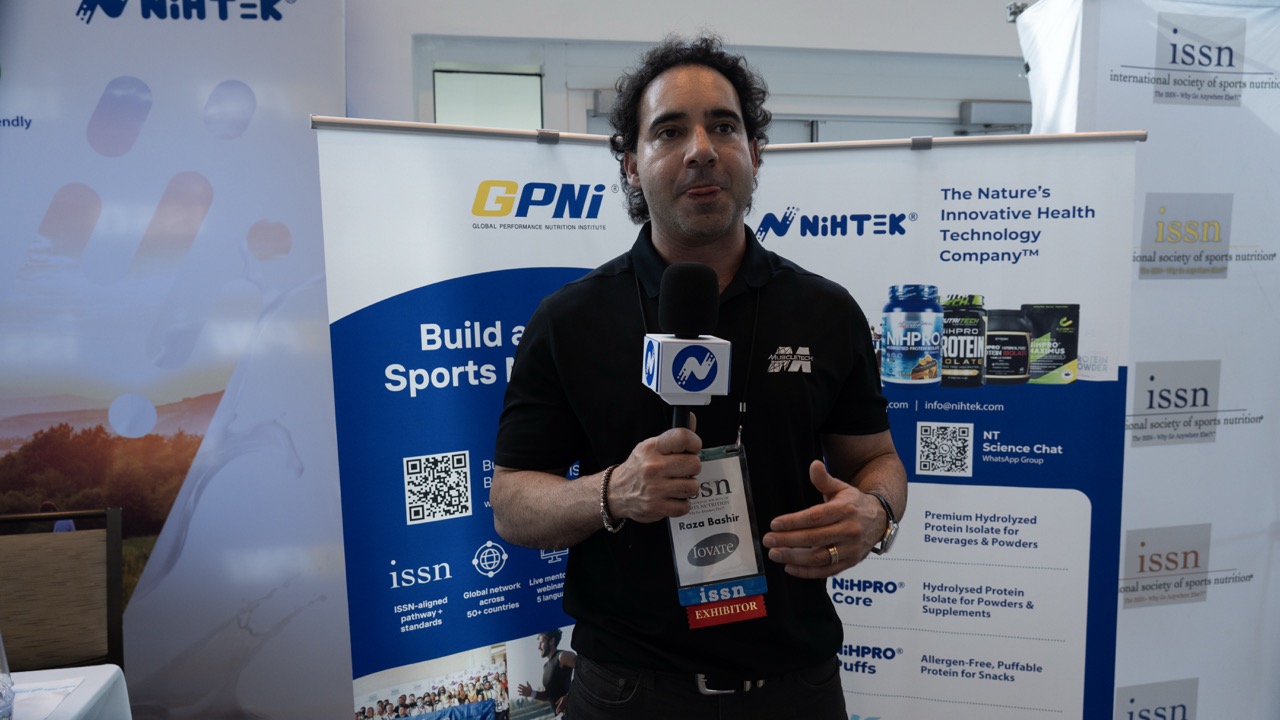
GPNi® Career Insights | From Reading Supplement Labels to Running Iovate
Iovate CEO Raza Bashir traces his path from reading supplement labels to formulating products and explains why his team keeps coming back to ISSN.
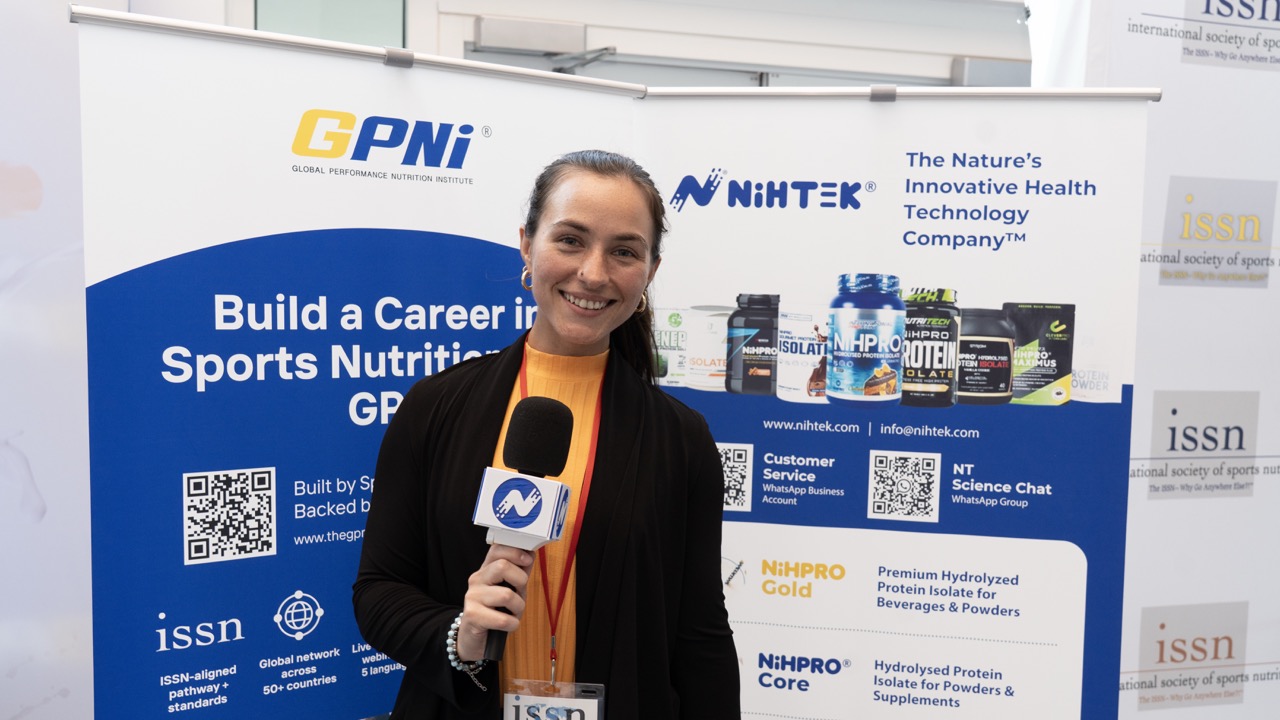
GPNi® Career Insights | Three Ways to Present at Your First Conference
At her first ISSN conference, Allee Schellenberger took on a data blitz, a talk and a poster. Her interest in exercise science began in competitive bodybuilding.
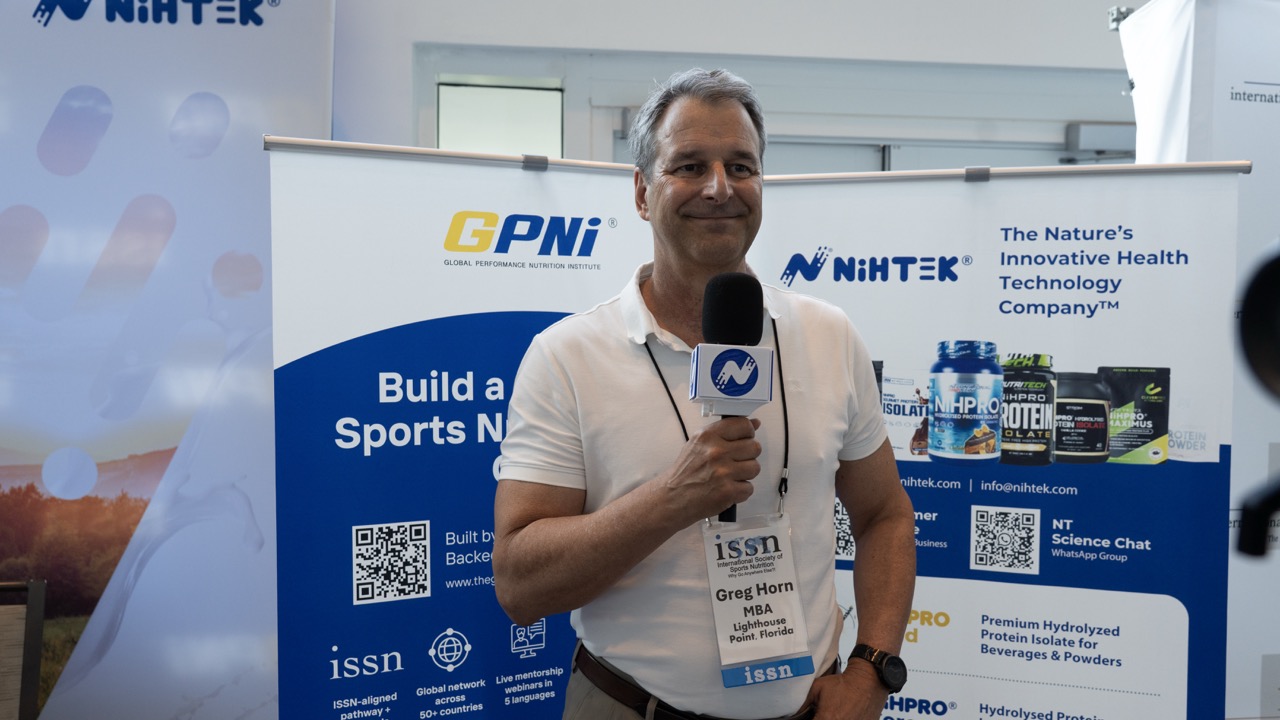
GPNi® Career Insights | What Greg Horn Looks for at the Poster Session
Greg Horn, who originated the CELSIUS drink concept, explains what he looks for in clinical research and why he keeps returning to the ISSN poster session.
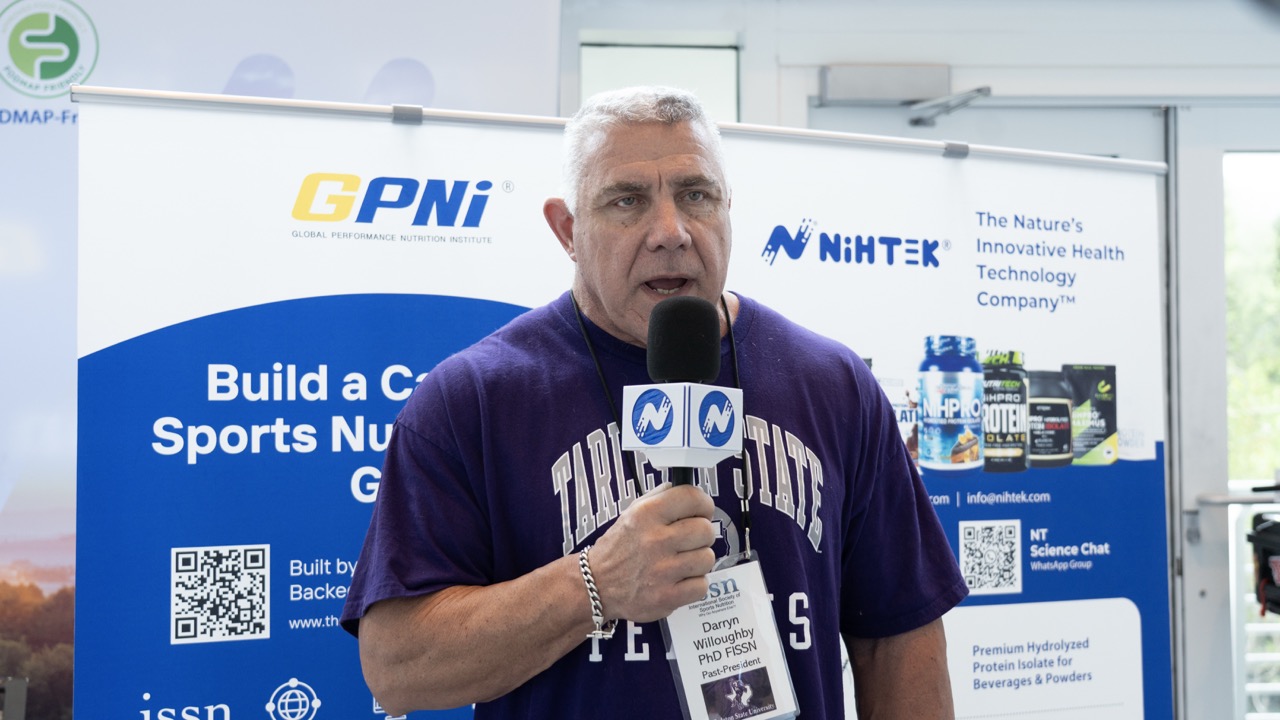
GPNi® Career Insights | What the Bodybuilding Stage Couldn’t Tell Him
Darryn Willoughby recalls how bodybuilding shaped his research on muscle growth and why he helped make a case for a dedicated sports nutrition conference.
Subscribe to our newsletter and receive a selection of cool articles every week
GPNi® Career Insights | His Athletes Were Getting Stronger. He Still Had a Question About Food.
19 Nov, 2026
GPNi® Career Insights | From Reading Supplement Labels to Running Iovate
19 Nov, 2026
GPNi® Career Insights | Three Ways to Present at Your First Conference
19 Nov, 2026
GPNi® Career Insights | What Greg Horn Looks for at the Poster Session
19 Nov, 2026
About