Start for as low as $169 down. Enroll today and pay over time.
Start for as low as $169 down. Enroll today and pay over time.
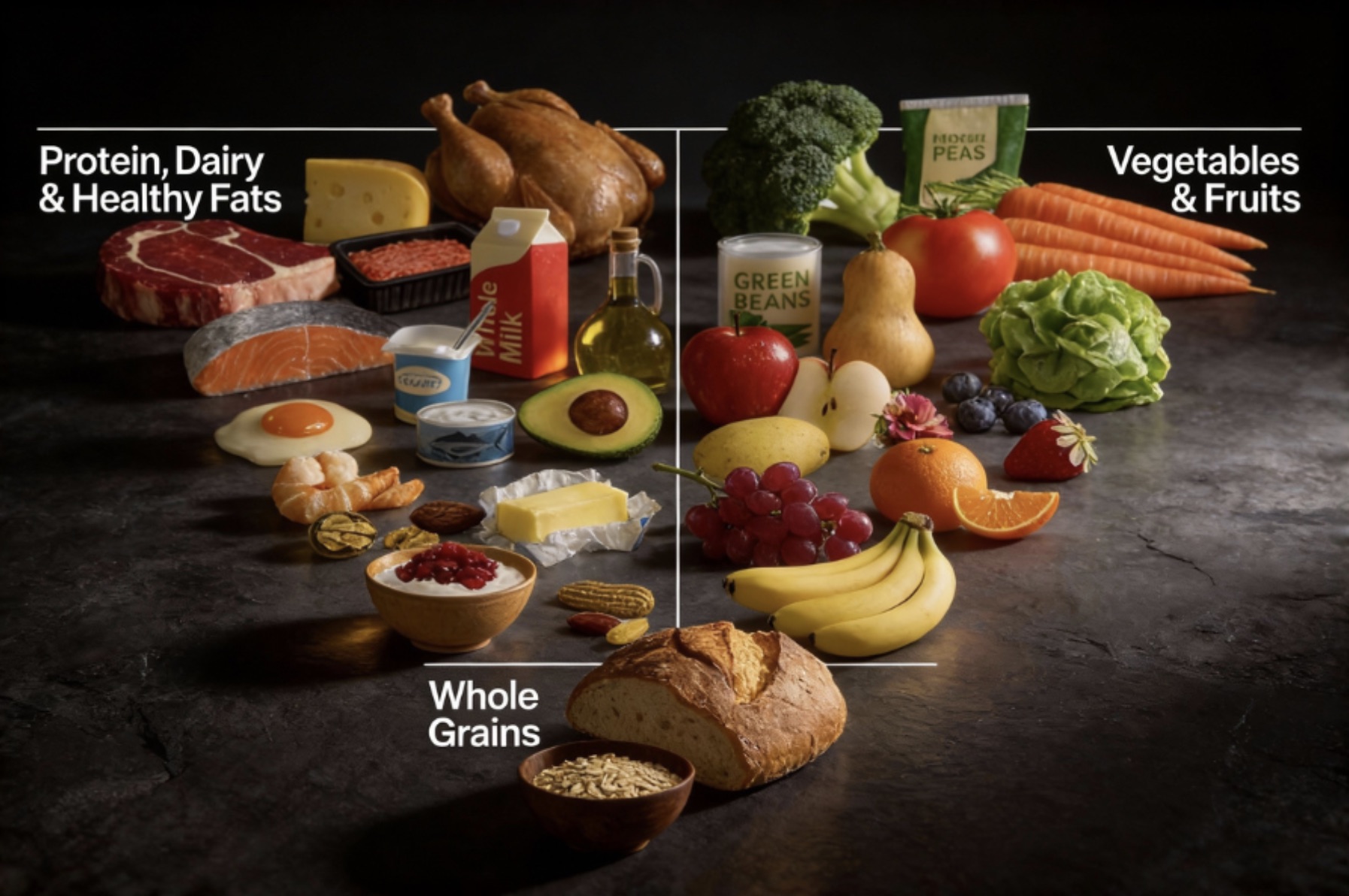
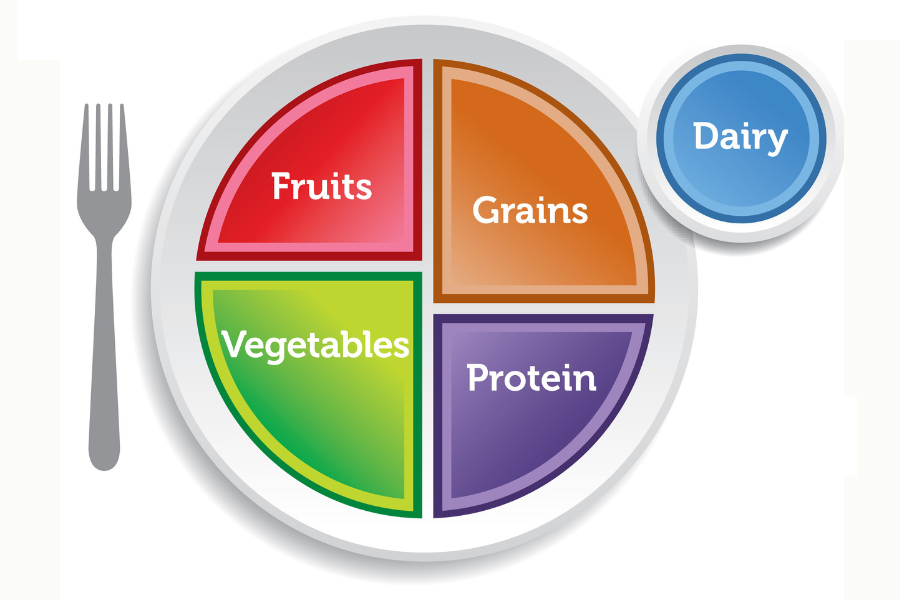
On Jan. 2026, U.S. federal nutrition guidelines brought back to the food pyramid as the principal visual representation of dietary guidance in place of the plate-based model that was in use since. Early reports and the official guidance indicate that the revised pyramid is an inverted pyramid as well as more protein-focused and with a greater emphasis of whole food sources, a reduction in refined carbohydrates and a more relaxed (but not yet capped) position on fats in the diet.
This is a significant philosophical shift in The 1992 USDA Food Guide Pyramid that placed grains at the base and generally encouraged reductions in fat. The next section is a scientific review of the different models is focusing on and how nutrition research has driven these choices to change.
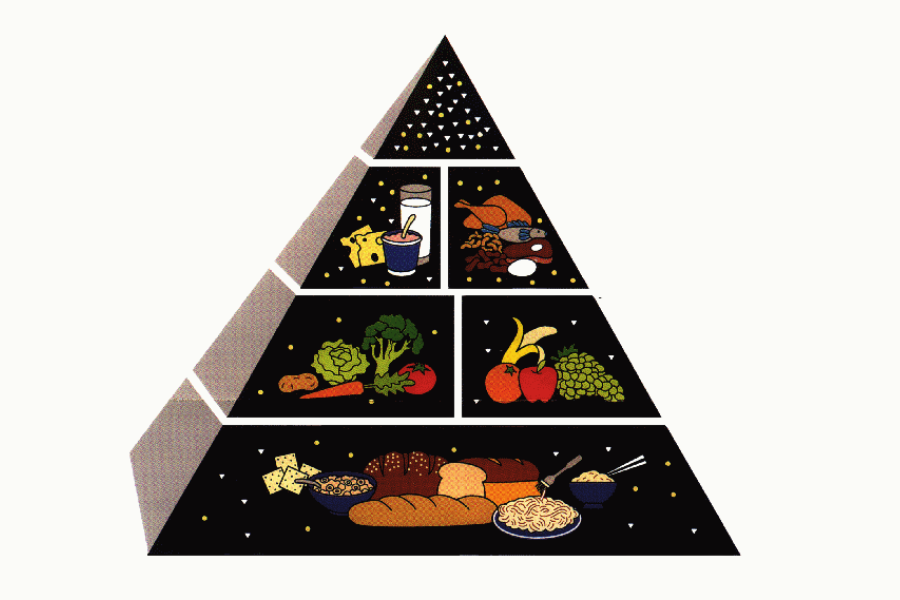
The 1992 Food Guide Pyramid reflected the prevalent late 20th century nutritional concept: that high-carbohydrate, low-fat eating habits would decrease cardiovascular risk in the population. The base was made up of the grains (bread cereals, rice pasta, cereals) The recommended intake is 6-11 servings a day.
Fruits and vegetables comprised the second tier, which is in line with research that shows fiber and micronutrient-rich diets lead to lower risk of developing chronic diseases. Below that were proteins and dairy which suggest moderation. sweets and fats were put in the middle to be consumed "sparingly." From a scientific point of view the simplicity of the pyramid is both its benefit as well as its drawbacks. It didn't clearly distinguish:
These distinctions are now well-known to be important clinically and metabolically.
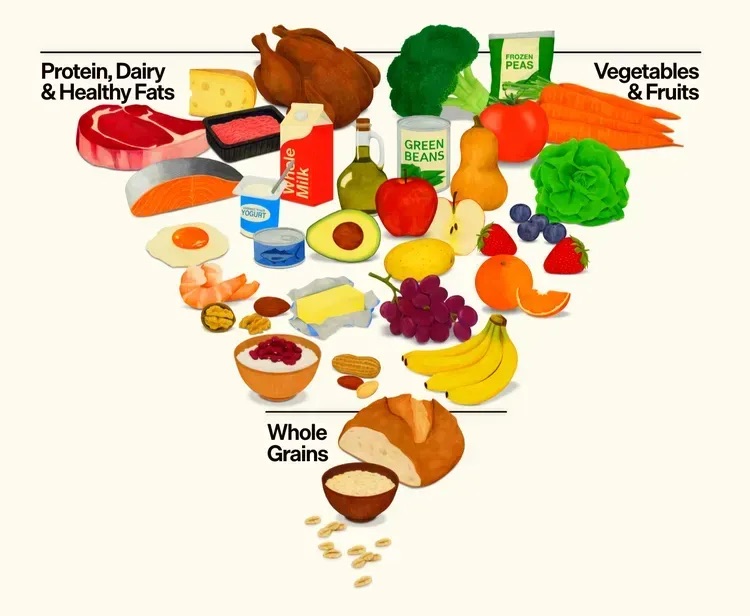
The Dietary Guidelines for Americans (2025-2030) (released in January 2026) are based on years of research that has challenge the assumptions of the model of 1992, particularly the notion of "lower fat" necessarily signified "better overall health."
Protein ranges from "adequate" up to "more optimal"
The most frequently discussed shift is a higher protein intake daily usually reported at 1.2-1.6 grams/kg/day with the argument that the earlier base (0.8 grams/kg/day) could be the minimum, not the ideal target, particularly for physically active people.
The reason for this is that protein-forward guidance is often linked to:
(Important note to publish this article: the topic is being debated by experts, particularly concerning the sources of food and exposure to saturated fats.)
Carbohydrates: an even more powerful push to cut down on refined carbs
Another noticeable shift is the diminishing importance of refined grains as well as refined carbohydrate-rich foods, and a more pronounced language that discourages the consumption of processed foods. In other words, the carbohydrate's quality is a lot much more so that "carb quantity" messages in the 1990s.

A major important scientifically significant distinctions between the old and the new models is how they handle diet-related fat. The pyramid of 1992 effectively put fats and recommended reducing in line with the guidelines from the time. Modern research is more complex. Numerous studies and expert analysis suggest that the type of saturated fat that is replaced is important replacing saturated fat with refined carbohydrates isn't always linked to better cardiovascular outcomes, whereas replacing it with unsaturated fats is often associated with better levels of lipids and risk reduction.
The most recent report on U.S. guidance suggests it remains within its long-standing saturated fat limit (commonly defined as being less than 10 percent of the total energy) however, it is more open to whole food fat sources. In terms of science, this reflects an evolution from absolute macronutrients ("avoid the fat") towards a pattern-based interpretation ("choose fats in a deliberate manner within the limits").
An obvious modernization is the clear denial of processed foods and refined-carb-heavy packaged goods. Current federal messages emphasize "real food" styles and decreasing the amount of processed food (often identified as having refined carbohydrates, sugars added to them or additives, as well as other indicators of poor quality food). This importance is because it provides public health advice on eating habits and food quality not only macro percentages.

From a scientific standpoint From a scientific perspective, the transition in the 1992 pyramid to more recent pyramid-style guidance indicates the evolution of nutrition science:
The success of this method (where previous visuals had difficulty) will depend on the clarity as well as the real-world applications of the program in the public sector, and the extent to which the instructions translate into easy and repeatable food options.
The new U.S. food pyramid represents a significant shift in comparison to that of the 1992 Food Guide Pyramid: less importance of grains, which was the main basis, more focus on whole foods and protein and a more stern stance towards refined carbs and processed foods and a more nuanced approach to the dietary fat choice, rather than a all-encompassing elimination.

Dr. Seiji is the Chief Scientific Officer of NiHTEK & the owner and partner of GPNi Japan. He brings over 35 years of experience in clinical and sports nutrition, with publications in both the U.S. and Japan. He holds 4 nutrition patents, led the approval of HMB in Japan, and founded Total Nutrition Therapy to train physicians in clinical nutrition.
References
Latest Articles

GPNi Webinar | The Peptide Boom: What’s Real, What’s Regulated, and What’s Risky
Today, let’s take a closer look at Rick’s upcoming presentation on the science, regulation, and market realities of peptides.

Female Athlete Triad: Why “Eating Less to Perform Better” Can Undermine Health and Performance
Female Athlete Triad is a key concept in female athlete health, linking low energy availability, menstrual disturbance, and low bone mineral density. Learn how evidence-based sports nutrition supports performance, recovery, and long-term health.

From Esports to Sports Nutrition: Are Nootropics the Next Big Trend in Performance Nutrition?
Nootropics are emerging in sports nutrition, esports, tactical performance, and brain health. Learn how cognitive nutrition may support focus, decision-making, and mental performance.

Official Study Guide: How to Prepare for SNS/CISSN Certification More Efficiently
Prepare for SNS and CISSN certification more efficiently with evidence-based study strategies, practical learning tools, and exam preparation tips.

5 Sport Nutrition “Truths” That Sound Right — But Aren’t Always True
Learn five common sport nutrition myths about protein timing, carbs, BCAAs, creatine, and pre-workout supplements — and how to think more evidence-based.
Subscribe to our newsletter and receive a selection of cool articles every week

Bloating & Diarrhea After Milk? First Figure Out: Intolerance or Allergy?
16 Mar, 2026

Reassessing Yeast Protein as an Alternative Protein Source
06 Mar, 2026

The Importance of Education in Sports Nutrition
21 Jan, 2026

How Different Is EAA Fortification Versus Amino Spiking?
09 Dec, 2025
About