Start for as low as $169 down. Enroll today and pay over time.
Start for as low as $169 down. Enroll today and pay over time.
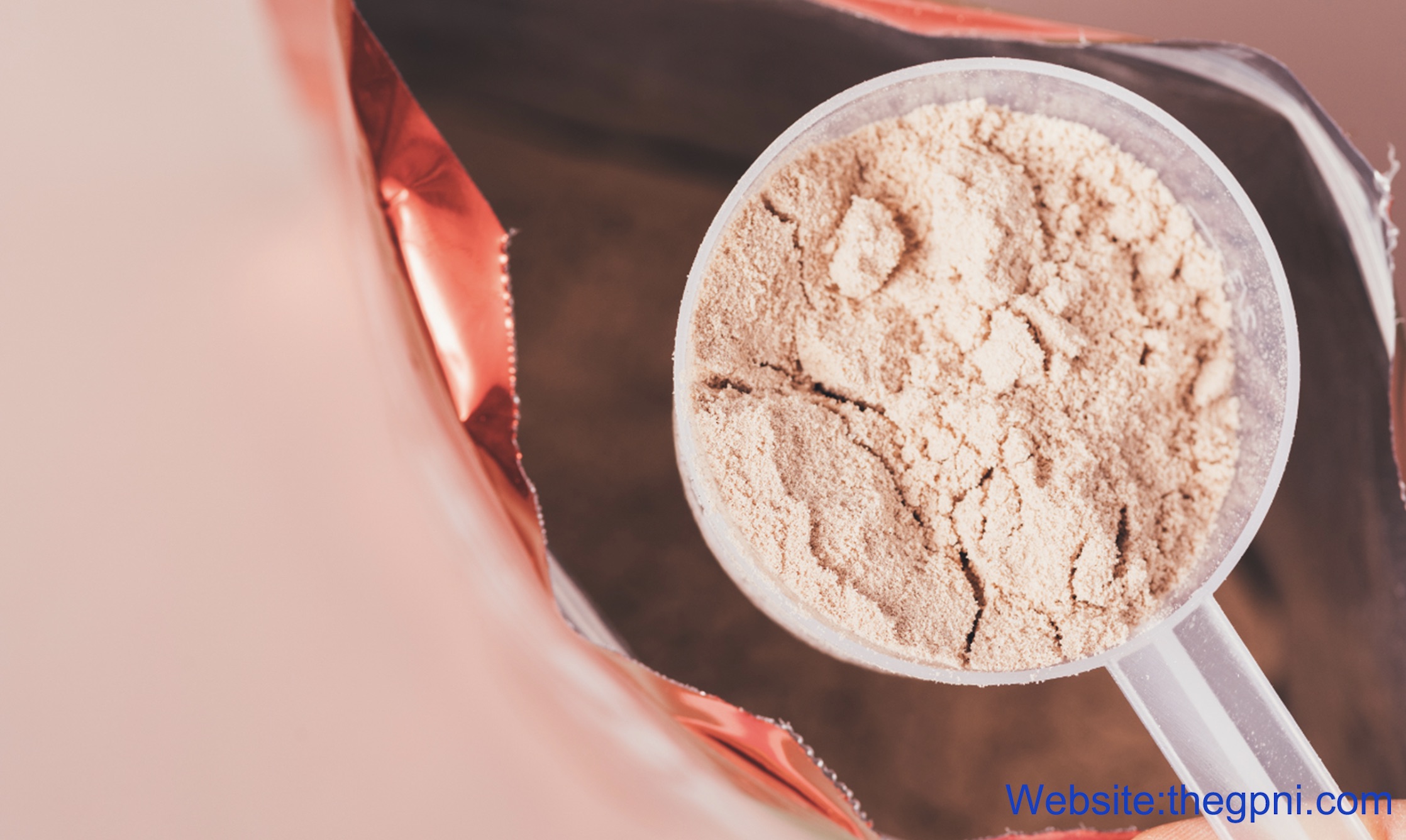
In the protein supplement industry, ill-intentioned manufacturers engage in deceptive practices such as amino spiking (also known as nitrogen or protein spiking).
Ill manufacturers intentionally add cheap non-essential amino acids (e.g., glycine, alanine) or high nitrogen containing compounds (e.g., melamine) to protein powders, artificially inflating the apparent protein content on the product label and misleading consumers about the actual nutritional value. The primary motive is cost reduction, as nitrogen-rich ingredients like creatine, glycine, or taurine are cheaper than complete proteins.
Complete proteins consist of 20 different amino acids, each containing nitrogen. To derive the benefits of protein, such as muscle synthesis, the intake of complete proteins is essential.
Internationally, the Codex Alimentarius regulates the protein content and quality of foods. According to the food labeling laws in many jurisdictions, the protein content is calculated by measuring the nitrogen content and then multiplied by a factor, ranging from 5.18-6.38 depending on the food group or simply by 6.25 across. Several methods exist that are used in different food industries to quantify nitrogen. Commonly used methods are Kjeldahl and Dumas methods. These methods measure the total nitrogen and cannot distinguish the nitrogen coming from protein or freely added nitrogen-rich compounds. This creates a loophole for fraudulent practices.
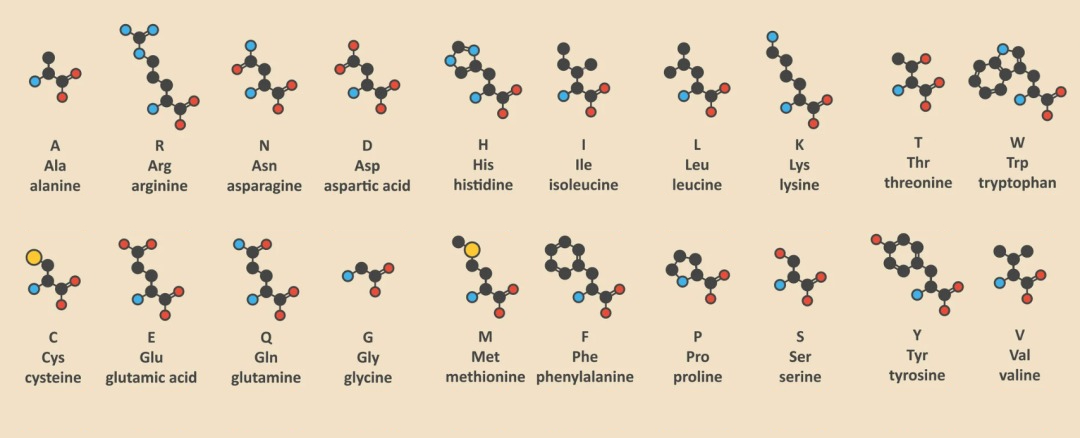
When manufacturers test protein powders, laboratories measure total nitrogen—not total protein. Since proteins contain nitrogen, total nitrogen is used as a proxy for protein content. Exploiting this limitation, dishonest manufacturers add cheap amino acids to inflate nitrogen levels. For example, adding 10g of glycine (a non-essential amino acid) to 10g of complete protein allows a claim of 20g protein per serving, even though the functional protein content remains unchanged. Similarly, claiming 20g protein with 5g of nitrogen–containing additives like taurine means only 15g is actual complete protein. Consumers believe they are purchasing high-protein products, but in reality, they receive less functional protein.
Thus, it is easy to inflate the true nutritional value of the protein, but it is not the reflection of the essential amino acid (EAA) content. We consume protein for EAA for muscle synthesis and bodily functions because we cannot make EAA in our body.
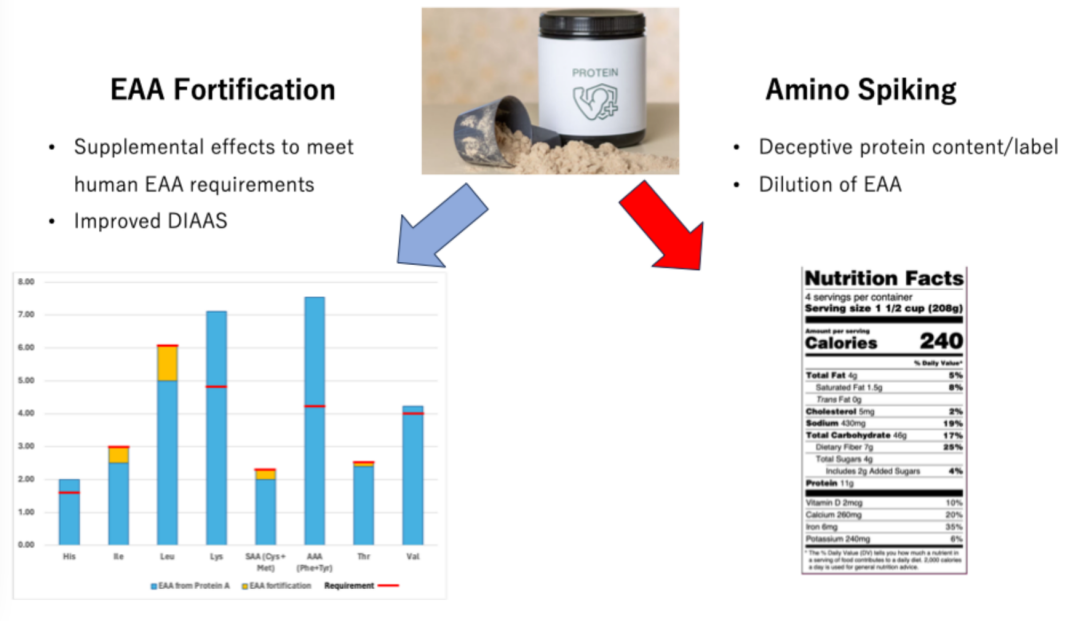
Some protein supplements emphasize EAA fortification (e.g., adding leucine), which is fundamentally different from amino spiking. EAAs, unable to be produced by the body, are critical for muscle synthesis and physiology. EAA fortification is a benign operation that enhances the nutritional value of protein through scientific means. However, materials used for amino spiking are non-essential and non-proteinogenic (used for protein synthesis). For example, taurine is metabolized and excreted in urine without contributing to protein structure or function. Its only role is to deceive nitrogen-based tests, providing no health benefits.
Fortification with EAA increases the nutritional value of the protein with improved DIAAS (Digestible Indispensable Amino Acid Score). Typically, BCAA (L-Leucine, L-Isoleucine, L-Valine), L-Methionine, and L-Lysine are industrially added to high performance proteins and in domesticated animal feeds to improve the protein quality.
Thankfully, more consumers are now prioritizing EAA profiles in ingredient lists, and leading companies are building trust through transparent amino acid reports and third-party certifications.
References:
1.Lewis JL. Brit J Nut (2012) 108;S212-221
2.Hayes M. Foods (2020) 9;1340
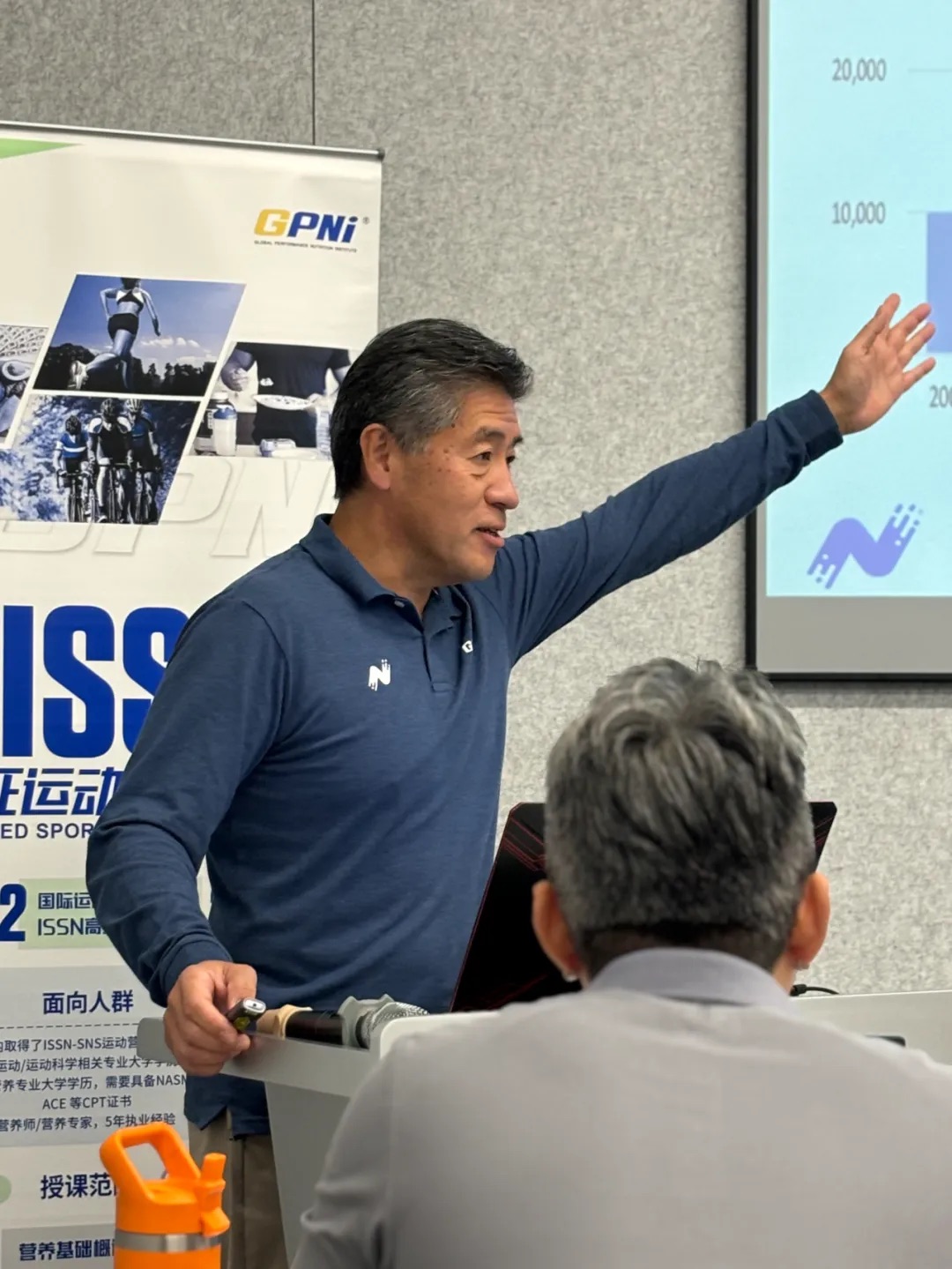
Dr. Seiji is the Chief Scientific Officer of NiHTEK & the owner and partner of GPNi Japan. He brings over 35 years of experience in clinical and sports nutrition, with publications in both the U.S. and Japan. He holds 4 nutrition patents, led the approval of HMB in Japan, and founded Total Nutrition Therapy to train physicians in clinical nutrition.
Latest Articles

GPNi Webinar | The Peptide Boom: What’s Real, What’s Regulated, and What’s Risky
Today, let’s take a closer look at Rick’s upcoming presentation on the science, regulation, and market realities of peptides.

Female Athlete Triad: Why “Eating Less to Perform Better” Can Undermine Health and Performance
Female Athlete Triad is a key concept in female athlete health, linking low energy availability, menstrual disturbance, and low bone mineral density. Learn how evidence-based sports nutrition supports performance, recovery, and long-term health.
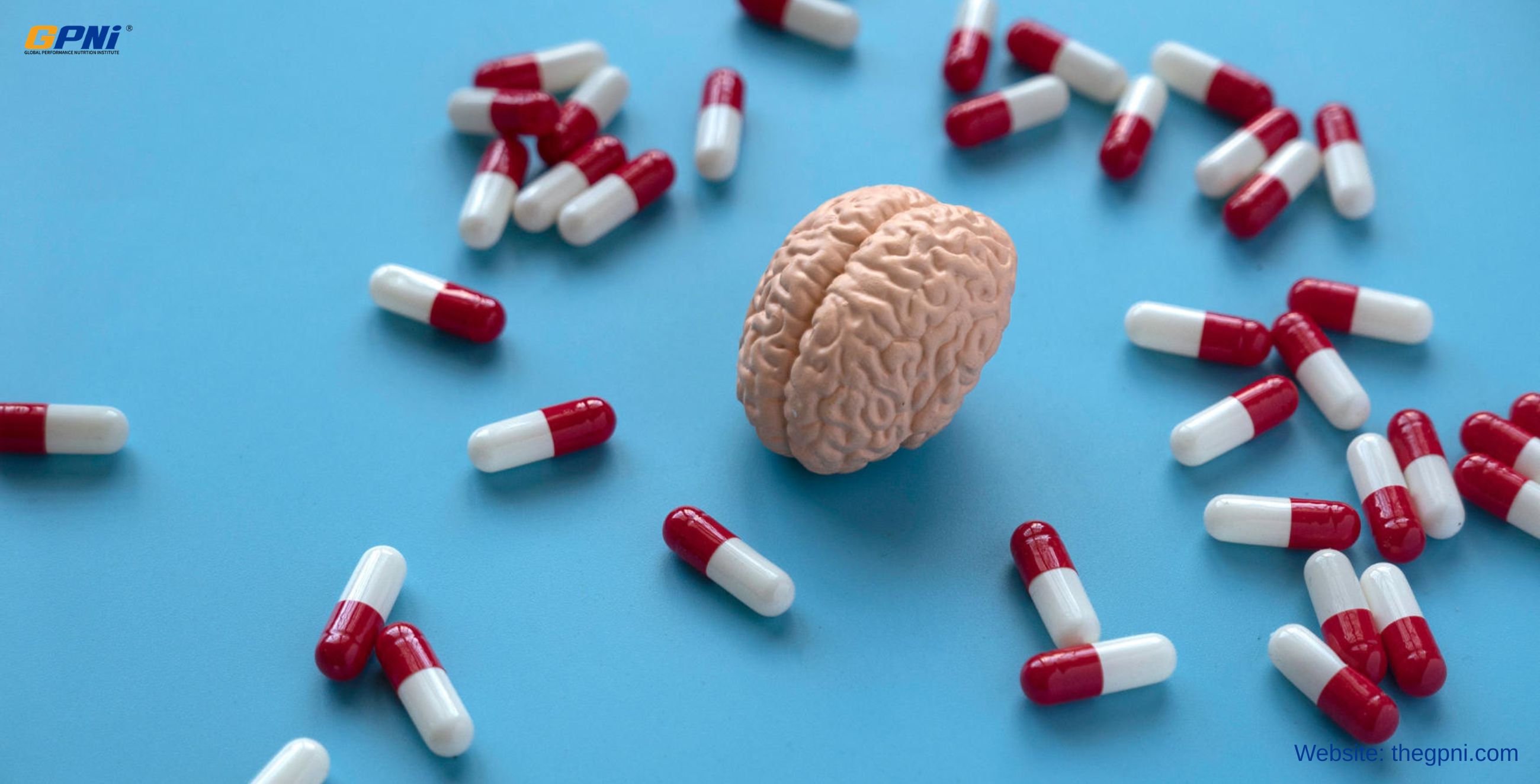
From Esports to Sports Nutrition: Are Nootropics the Next Big Trend in Performance Nutrition?
Nootropics are emerging in sports nutrition, esports, tactical performance, and brain health. Learn how cognitive nutrition may support focus, decision-making, and mental performance.
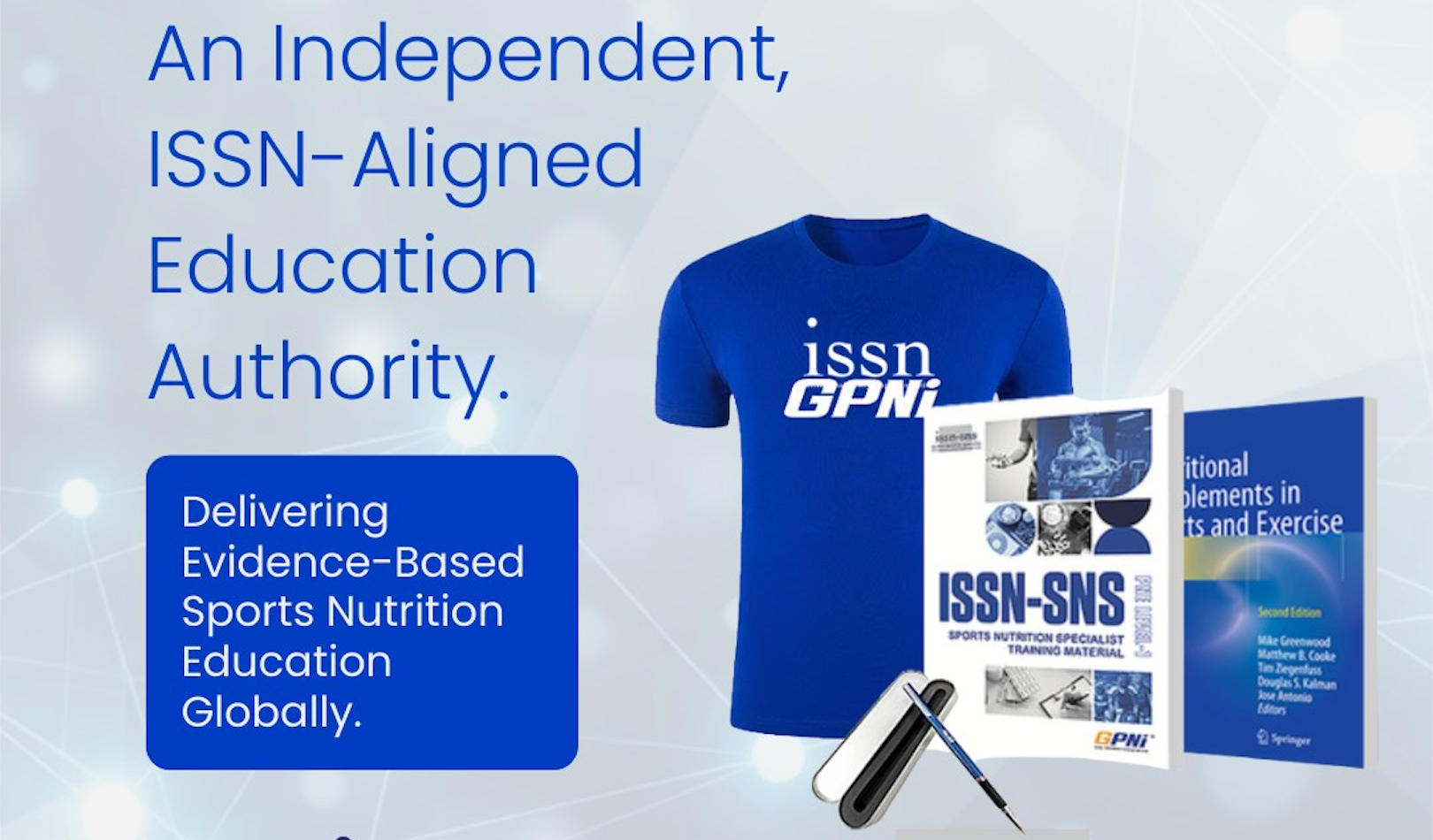
Official Study Guide: How to Prepare for SNS/CISSN Certification More Efficiently
Prepare for SNS and CISSN certification more efficiently with evidence-based study strategies, practical learning tools, and exam preparation tips.

5 Sport Nutrition “Truths” That Sound Right — But Aren’t Always True
Learn five common sport nutrition myths about protein timing, carbs, BCAAs, creatine, and pre-workout supplements — and how to think more evidence-based.
Subscribe to our newsletter and receive a selection of cool articles every week

Bloating & Diarrhea After Milk? First Figure Out: Intolerance or Allergy?
16 Mar, 2026
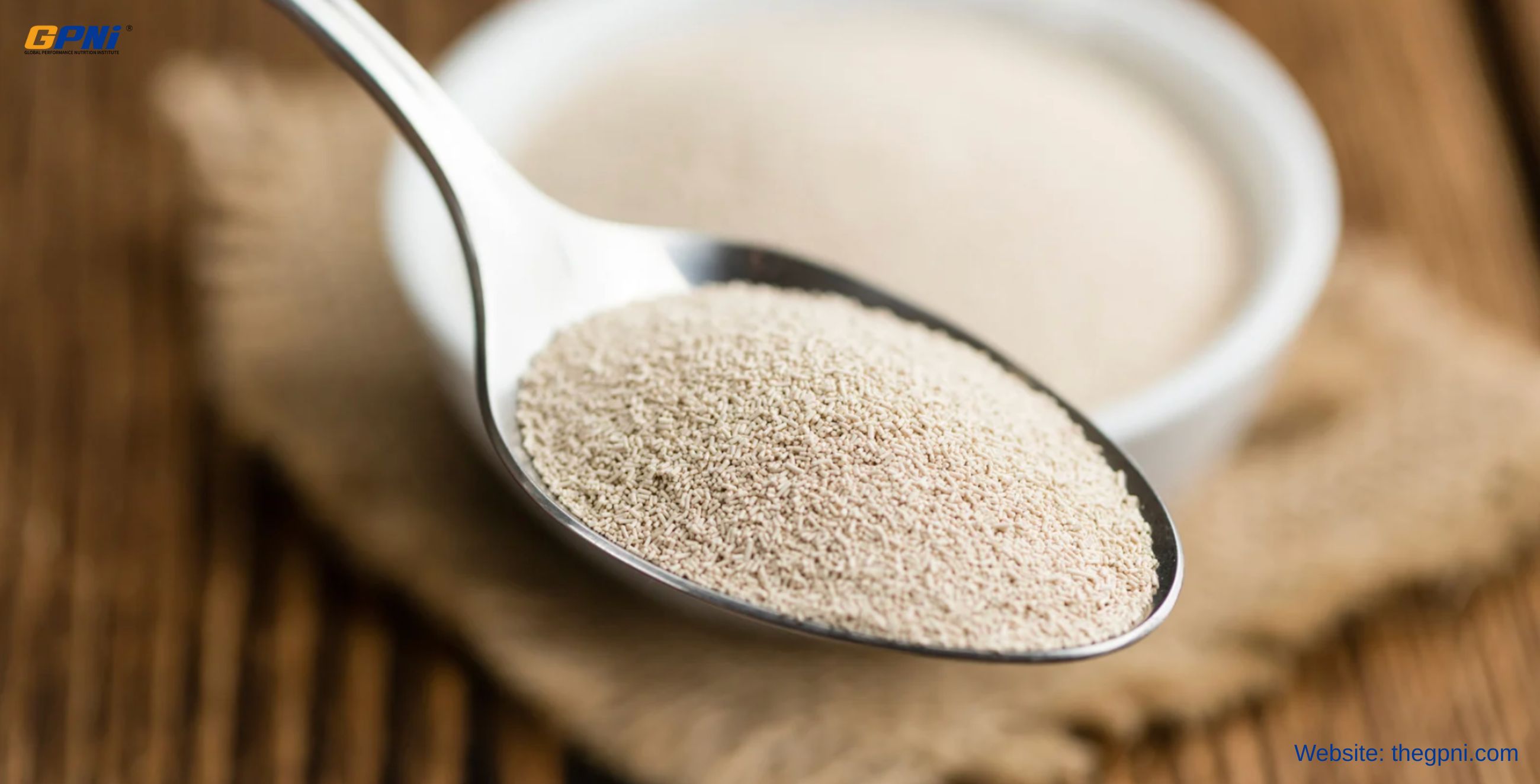
Reassessing Yeast Protein as an Alternative Protein Source
06 Mar, 2026
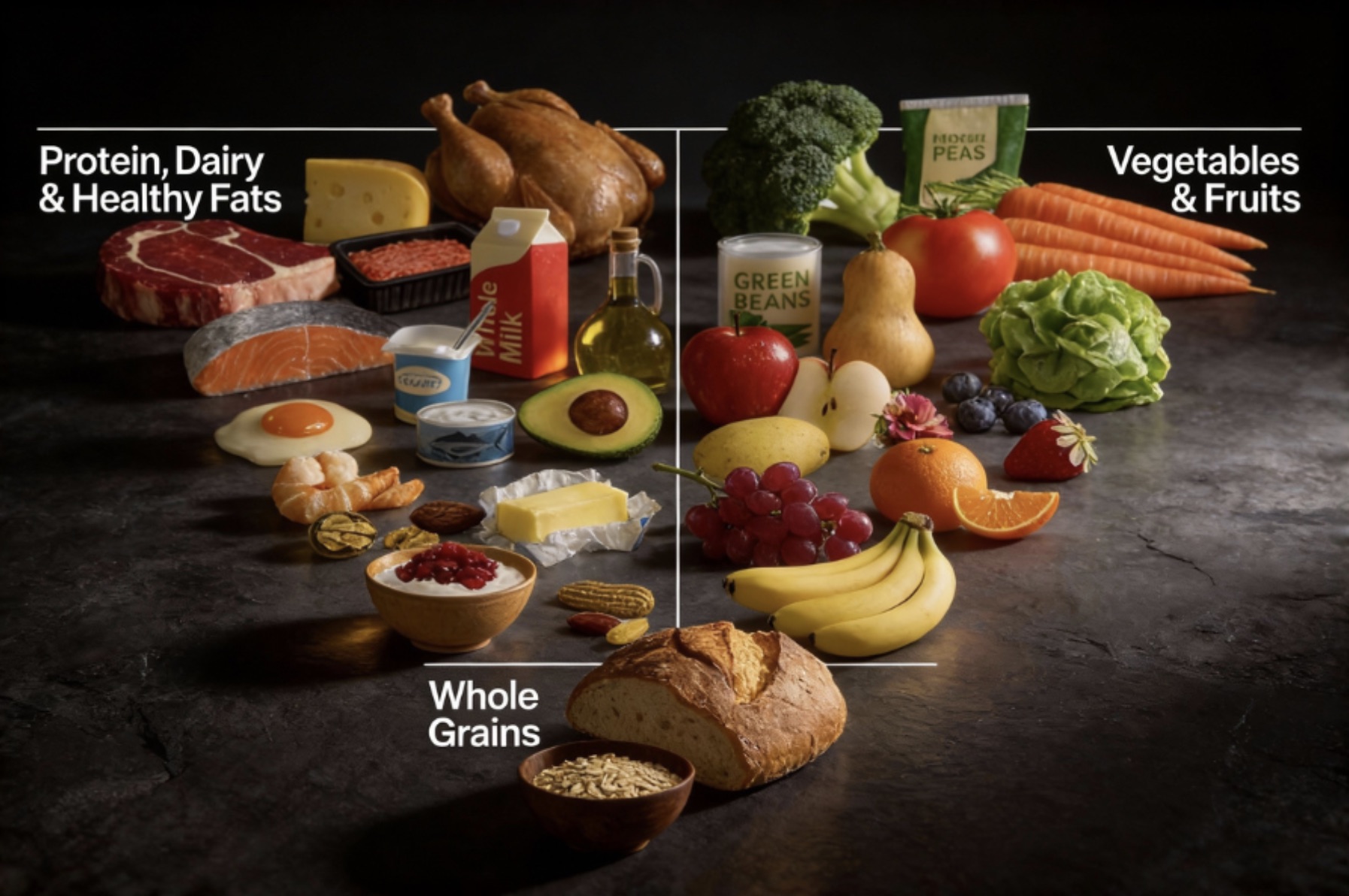
The New U.S. Food Pyramid: A Scientific Comparison with Its Predecessor
09 Feb, 2026
The Importance of Education in Sports Nutrition
21 Jan, 2026
About