Start for as low as $169 down. Enroll today and pay over time.
Start for as low as $169 down. Enroll today and pay over time.

Nutritional intake for athletes is now one of the primary aspects of reaching peak performance and long-term fitness for athletes. As training methods evolve and competition becomes more difficult and more competitive, having a thorough understanding of how diet can affect performance has never been more vital. Whether you're an athlete trainer, or healthcare professional understanding how nutrition affects everything from the level of energy and recovery time, to the prevention of injuries and mental health is essential. Without this information athletes are at risk of not achieving their full potential, or maintaining their health in long-term. This is why educating athletes on nutrition is crucial, not only for performance, but also for overall health and well-being.
The performance of athletes heavily relies on the ability of athletes to fulfill the metabolic requirements during their workout. A thorough education in nutrition for athletes allows them to recognize the role played by macronutrients (carbs proteins, carbohydrates as well as fats) in fueling their bodies. For instance, carbohydrates are the primary energy source during high-intensity sports. Through learning about the timing of carbohydrate and glycogen replenishment athletes can improve their endurance, and avoid fatigue in the course of competition.
Protein is a crucial component in the repair of muscles and promoting growth, especially for those who participate in power-based or strength-based sports. Fat, although often misunderstood, plays an important role in long-duration and low-to-moderate intensity training sessions.
If they aren't properly educated the athletes could be influenced by certain diets that are popular or have incorrect information which could affect their performance. Knowing the right information can help athletes to tailor their nutrition programs to meet their particular schedules and demands for sport. By following the right strategy they will be able to maintain their endurance, remain strong and perform their tasks more effectively.
Recovery is as crucial as the training. It's the time when the body heals and adjusts to the strain of training and allows athletes to recover more vigorous. The proper training in nutrition for athletes helps them comprehend how what they eat and how often they eat can affect how quickly they recover.
For instance for instance, for instance, the " recovery window" is the time right after exercise in which carbs along with proteins are required to restore the muscles as well as replenish glycogen storage. Although the exact details have changed but the basic principle is the same: getting proper nutrients at the right timing improves recovery.
The importance of education in hydration is equally vital. Learning how to replace the fluids that sweat loses to prevent muscle cramps, dehydration and fatigue, making sure athletes are prepared for their next training session. Sportsmen who know these rules are more prepared to recover quicker, work harder and perform better.
A balanced diet does more than aid in performance, it can also play a significant role in keeping injuries at bay and ensuring long-term health. For instance, micronutrients such as iron, calcium vitamin D, magnesium are vital for the health of your bones, muscle function as well as immune health. Insufficient levels of these nutrients could increase the risk of injury like muscle cramps or stress fractures and make it more difficult for athletes to heal from injuries.
In addition, certain athletes, particularly those who play sport that is weight-sensitive, might experience an insufficient energy supply and this can result in Relative Energy Deficit in Sports (RED-S). This condition affects many areas of health, ranging from metabolism to the immune system and even mental well-being. Through learning about the energy balance, coaches and athletes can help prevent this from happening and ensure that their athletes stay healthy and strong.
A proper education on nutrition for sports allows athletes to understand the body's requirements to be at its peak and prevent health problems that may hinder athletes from reaching their maximum potential.
Today the athletes are bombarded by information on online platforms, self-declared experts and even the supplement industry. It is often difficult to discern the fact from the fiction, which can lead to confusion, and potentially dangerous choices. If there is no solid knowledge of nutrition for athletes the athletes might opt for fad diets as well as extreme restrictions, or supplements that are not regulated, putting their performance and health at risk.
Education provides athletes and coaches with the ability to assess claims about nutrition, comprehend the research behind them and be aware of what is supported by proof. For instance, knowing the safest supplements and being aware of prohibited substances is essential for athletes competing in sports who need to remain in compliance with anti-doping laws.
Each athlete is unique This means that their nutrition requirements are different as well. A one-size-fits all approach isn't effective in the realm of training nutrition. By educating themselves, sportsmen can learn how to design their own diet plans that are according to their body composition goals, their training needs and even their preferences for food or dietary restrictions based on culture.
This individualized approach makes sure that athletes have the proper amount of nutrients that are appropriate for their health issues or ethical options such as veganism and vegetarianism. A thorough knowledge of the importance of nutrition for sports aids coaches and athletes improve their nutrition strategies and performance while balancing individual needs.
Trainers, coaches and health professionals are crucial in guiding athletes towards proper nutrition practices. If they have a an education that is formalized on sport nutrition and nutrition, they are able to provide exact, scientifically based guidance that can help prevent nutrition-related issues and improves performance.
Through collaboration with medical teams, nutritionists and coaches athletes benefit from a comprehensive integrated approach food as well as fitness. Education aids these teams in working effectively, making sure that nutrition is aligned with the training schedule as well as injury protocols and psychological requirements.
The advantages of the benefits of education extend beyond the playing field. The athletes who know the fundamentals in healthy food choices, energy levels and eating plans will be more likely keep their health throughout adulthood. These practices reduce the chance of chronic illnesses such as coronary diseases, diabetes as well as obesity that can affect everyone and not only athletes.
The early education about nutrition for sports could have a long-lasting impact on athletes' young and their relationship to food and their health in the future. As more education programs incorporate nutrition into training for athletics in the future, we can anticipate generations to consider the health of their athletes as much as their the performance.
The education of nutrition for athletes is a vital element for athletic success and long-term health. By equipping athletes with the information that they need to make educated choices regarding their diet, recovery, as well as their overall wellbeing, they will be able to enhance their performance, speed up their recovery and lower the chance of injury. With the right training the athletes are better equipped to make sense of the plethora of information available and steer clear of harmful dietary trends. If you're an athlete coach or health professional, investing in a nutrition education for sports is vital to achieving long-term achievement and wellbeing.
Editorial by Dr. Seiji Aoyagi
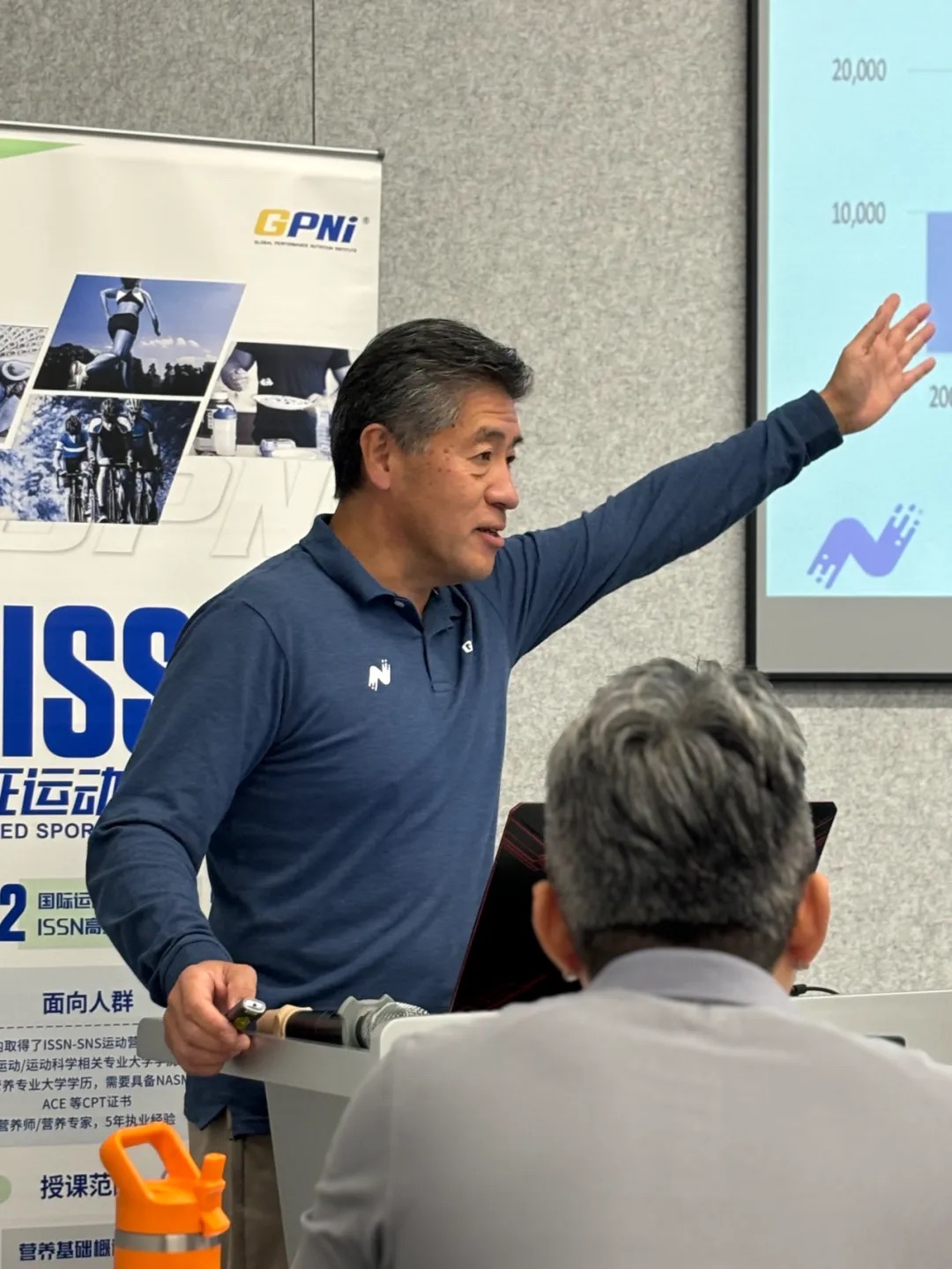
Dr. Seiji is the Chief Scientific Officer of NiHTEK & the owner and partner of GPNi Japan. He brings over 35 years of experience in clinical and sports nutrition, with publications in both the U.S. and Japan. He holds 4 nutrition patents, led the approval of HMB in Japan, and founded Total Nutrition Therapy to train physicians in clinical nutrition.
Latest Articles

GPNi Webinar | The Peptide Boom: What’s Real, What’s Regulated, and What’s Risky
Today, let’s take a closer look at Rick’s upcoming presentation on the science, regulation, and market realities of peptides.

Female Athlete Triad: Why “Eating Less to Perform Better” Can Undermine Health and Performance
Female Athlete Triad is a key concept in female athlete health, linking low energy availability, menstrual disturbance, and low bone mineral density. Learn how evidence-based sports nutrition supports performance, recovery, and long-term health.
From Esports to Sports Nutrition: Are Nootropics the Next Big Trend in Performance Nutrition?
Nootropics are emerging in sports nutrition, esports, tactical performance, and brain health. Learn how cognitive nutrition may support focus, decision-making, and mental performance.
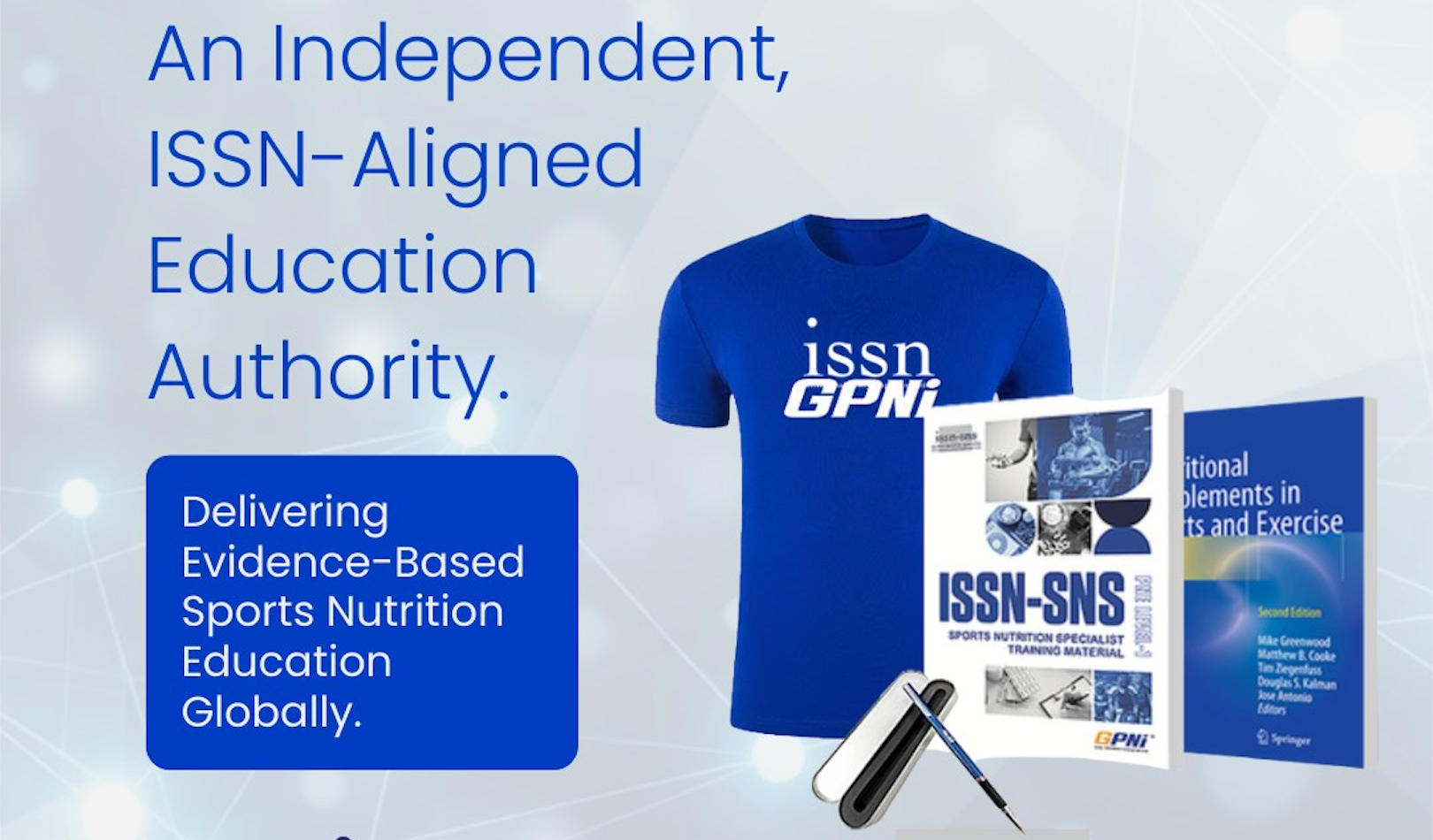
Official Study Guide: How to Prepare for SNS/CISSN Certification More Efficiently
Prepare for SNS and CISSN certification more efficiently with evidence-based study strategies, practical learning tools, and exam preparation tips.

5 Sport Nutrition “Truths” That Sound Right — But Aren’t Always True
Learn five common sport nutrition myths about protein timing, carbs, BCAAs, creatine, and pre-workout supplements — and how to think more evidence-based.
Subscribe to our newsletter and receive a selection of cool articles every week

Bloating & Diarrhea After Milk? First Figure Out: Intolerance or Allergy?
16 Mar, 2026
Reassessing Yeast Protein as an Alternative Protein Source
06 Mar, 2026
The New U.S. Food Pyramid: A Scientific Comparison with Its Predecessor
09 Feb, 2026

How Different Is EAA Fortification Versus Amino Spiking?
09 Dec, 2025
About