Start for as low as $169 down. Enroll today and pay over time.
Start for as low as $169 down. Enroll today and pay over time.
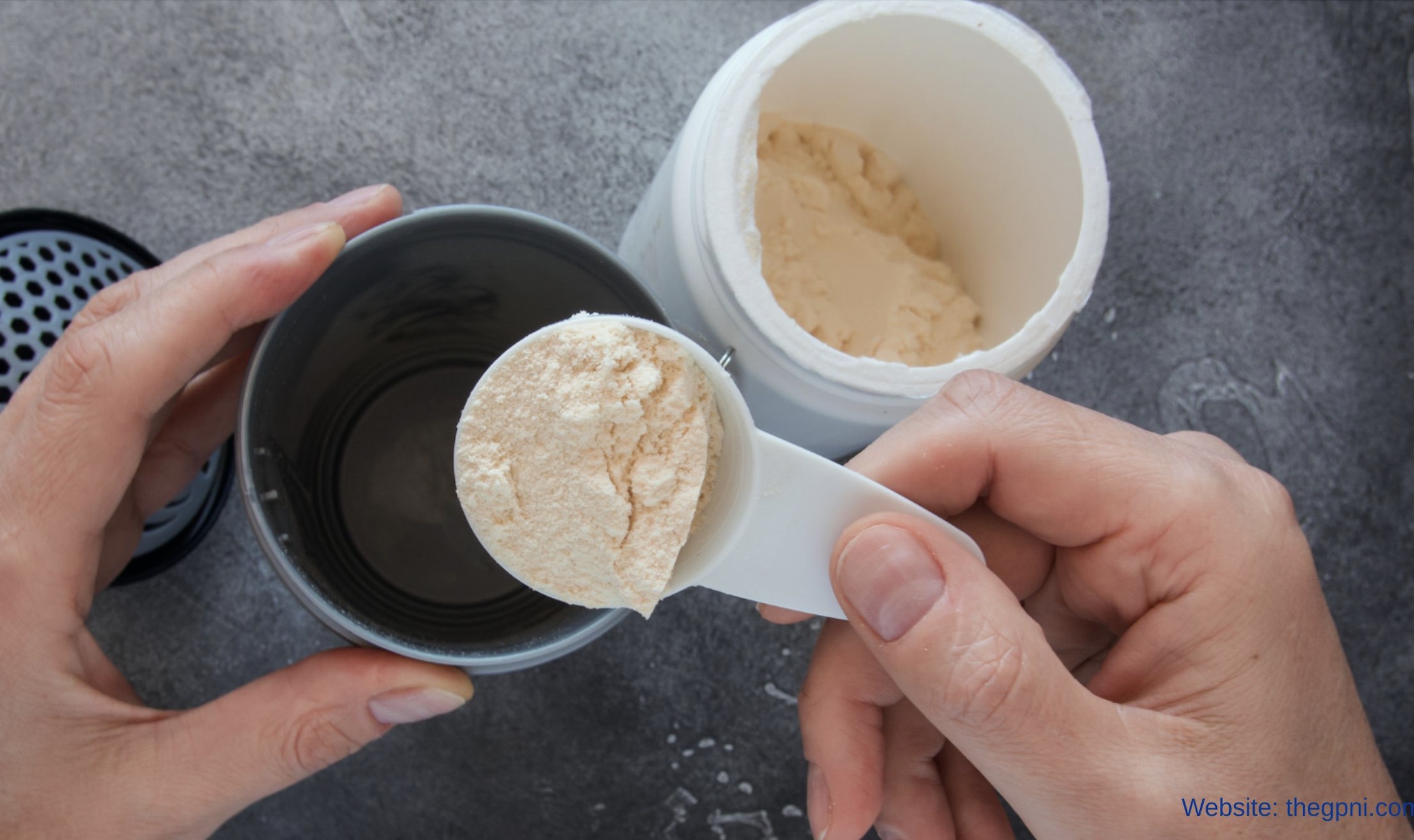
Protein is an essential macronutrient required for various physiological processes, including muscle growth, repair, enzyme production, and immune function. While dietary guidelines provide recommendations for protein intake, not all proteins are created equal. The quality of a protein source is determined by its ability to provide essential amino acids in amounts sufficient to meet human needs.
Over the years, several methods have been developed to assess protein quality, with the Digestible Indispensable Amino Acid Score (DIAAS) emerging as the most accurate and comprehensive. It is a method endorsed by the Food and Agriculture Organization (FAO) of the United Nations in 2013. It is designed to evaluate the quality of dietary proteins based on their digestibility and ability to meet human amino acid requirements. DIAAS replaces the older Protein Digestibility Corrected Amino Acid Score (PDCAAS) and addresses some of its limitations by providing a more precise measurement of protein quality.
The core of DIAAS is: How much of the protein consumed will end up at the very end of the small intestine. DIAAS is a ratio, with the denominator being standard protein/amino acid. Therefore, when DIAAS is greater than 100, the food is considered high-quality protein; when DIAAS is less than 75, it is considered non-high-quality protein. We can find that the DIAAS scores of animal protein are all superior to those of plant protein.
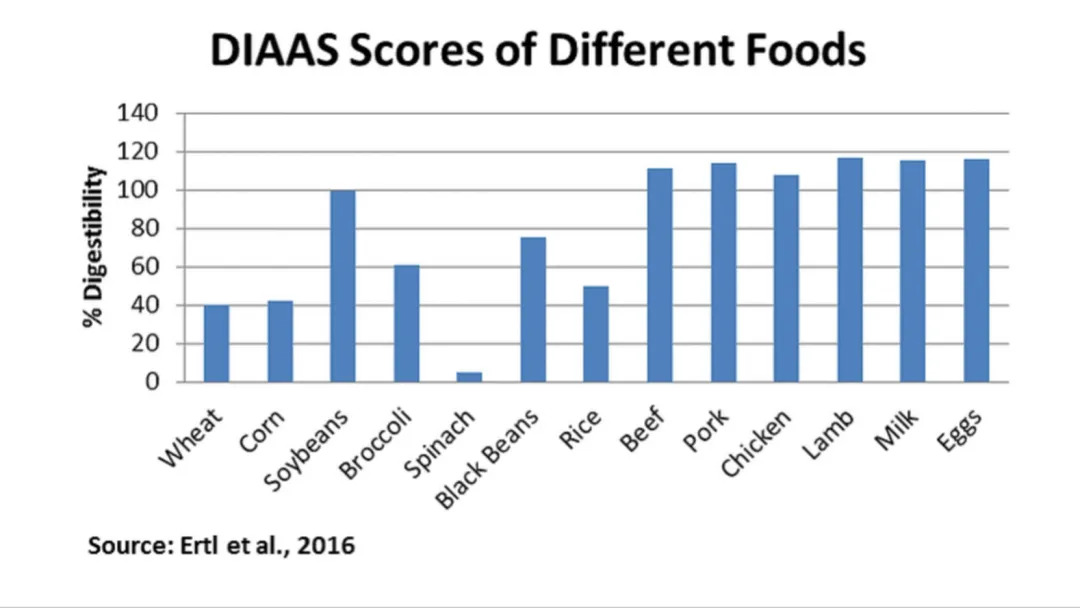
Determining DIAAS requires precise methodologies to evaluate the true ileal digestibility of individual indispensable amino acids in a protein source. Below are the primary methods used for this purpose:
Pigs are commonly used as models for human digestion due to the physiological similarities of their gastrointestinal tract to humans. In these studies, pigs are surgically fitted with a cannula at the ileum to collect digesta after consuming a protein-containing diet. The amino acid content in the diet and ileal digesta is analyzed to calculate true ileal digestibility. While accurate, this method raises animal welfare concerns. Therefore, we choose to use INFOGEST, one of the in vitro methods which has been validated.

Laboratory-based in vitro methods replicate human digestion using digestive enzymes (e.g., pepsin, trypsin, chymotrypsin) under controlled conditions. Protein samples are subjected to enzymatic hydrolysis, and the release of amino acids is measured to estimate digestibility. There are two different in vitro methods, INFOGEST and TIM.
1. INFOGEST Model
INFOGEST is a standardized static in vitro digestion model designed to simulate human gastrointestinal digestion. It follows an international consensus protocol, ensuring consistency and comparability across studies. The model includes three sequential phases: oral (salivary enzymes), gastric (pepsin at acidic pH), and intestinal (pancreatic enzymes and bile salts). It is particularly useful for comparing the digestibility of different protein sources under controlled conditions.

2. TIM Model (TNO Gastro-Intestinal Model)
TIM is a dynamic, computer-controlled in vitro digestion system that mimics the human gastrointestinal tract. It simulates physiological conditions, including pH changes, enzyme secretion, and peristaltic movements. TIM is highly advanced and provides detailed insights into protein digestion and amino acid release over time. The model is particularly valuable for studying the impact of food matrix and processing on protein digestibility.

DIAAS represents a significant advancement in the assessment of protein quality, offering a more accurate and nuanced understanding of how proteins meet human nutritional needs. By accounting for true ileal digestibility and age-specific amino acid requirements, DIAAS provides a reliable tool for improving dietary planning, food labeling, and nutrition policies. As we continue to strive for healthier, more sustainable diets, DIAAS will remain a vital framework for evaluating and enhancing protein sources worldwide.
References

Dr. Seiji is the Chief Scientific Officer of NiHTEK & the owner and partner of GPNi Japan. He brings over 35 years of experience in clinical and sports nutrition, with publications in both the U.S. and Japan. He holds 4 nutrition patents, led the approval of HMB in Japan, and founded Total Nutrition Therapy to train physicians in clinical nutrition.
Latest Articles

GPNi Webinar | The Peptide Boom: What’s Real, What’s Regulated, and What’s Risky
Today, let’s take a closer look at Rick’s upcoming presentation on the science, regulation, and market realities of peptides.

Female Athlete Triad: Why “Eating Less to Perform Better” Can Undermine Health and Performance
Female Athlete Triad is a key concept in female athlete health, linking low energy availability, menstrual disturbance, and low bone mineral density. Learn how evidence-based sports nutrition supports performance, recovery, and long-term health.
From Esports to Sports Nutrition: Are Nootropics the Next Big Trend in Performance Nutrition?
Nootropics are emerging in sports nutrition, esports, tactical performance, and brain health. Learn how cognitive nutrition may support focus, decision-making, and mental performance.
Official Study Guide: How to Prepare for SNS/CISSN Certification More Efficiently
Prepare for SNS and CISSN certification more efficiently with evidence-based study strategies, practical learning tools, and exam preparation tips.

5 Sport Nutrition “Truths” That Sound Right — But Aren’t Always True
Learn five common sport nutrition myths about protein timing, carbs, BCAAs, creatine, and pre-workout supplements — and how to think more evidence-based.
Subscribe to our newsletter and receive a selection of cool articles every week

Bloating & Diarrhea After Milk? First Figure Out: Intolerance or Allergy?
16 Mar, 2026
Reassessing Yeast Protein as an Alternative Protein Source
06 Mar, 2026
The New U.S. Food Pyramid: A Scientific Comparison with Its Predecessor
09 Feb, 2026

The Importance of Education in Sports Nutrition
21 Jan, 2026
About