Start for as low as $169 down. Enroll today and pay over time.
Start for as low as $169 down. Enroll today and pay over time.
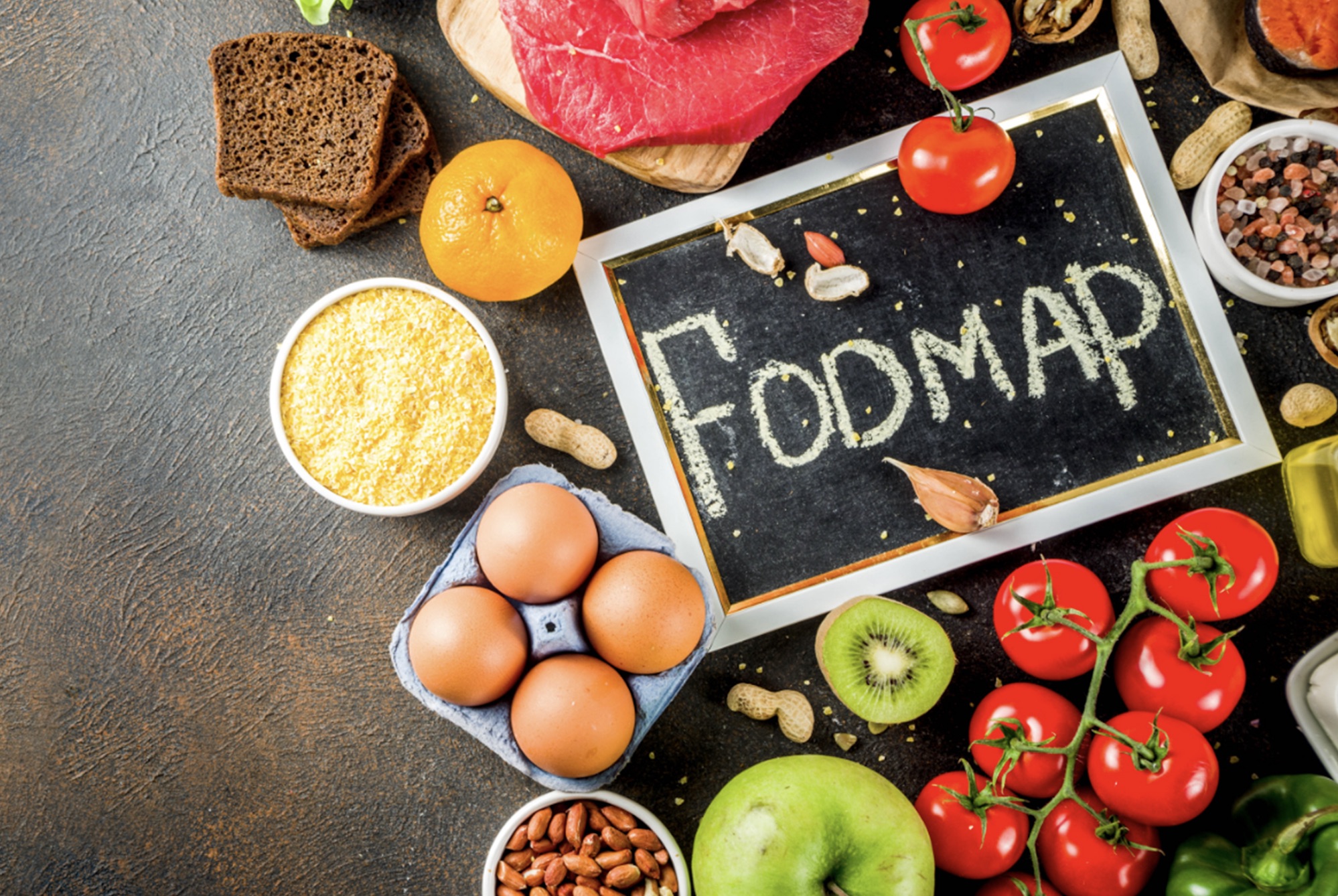
Have you ever heard of “FOADMAP”? It stands for Fermentable Oligosaccharides, Disaccharides, Monosaccharides, and Polyols, which are short-chain carbohydrates that are poorly absorbed in the small intestine and can cause digestive distress such as bloating, gas, diarrhea, constipation, and stomach pain.
Diet low in FODMAP (the FODMAP diet) is usually recommended for people with IBS (irritable bowel syndrome), a common gastrointestinal disorder affecting an estimated 10-15% of the global population. Although the FODMAP diet is primarily designed for individuals with IBS and other gastrointestinal disorders, healthy individuals may also experience certain benefits by incorporating aspects of the diet.
The FODMAP diet is not meant to be a permanent diet but rather a structured approach that helps identify food triggers and allows for long-term symptom management. Introducing the FODMAP diet consists of three main phases:
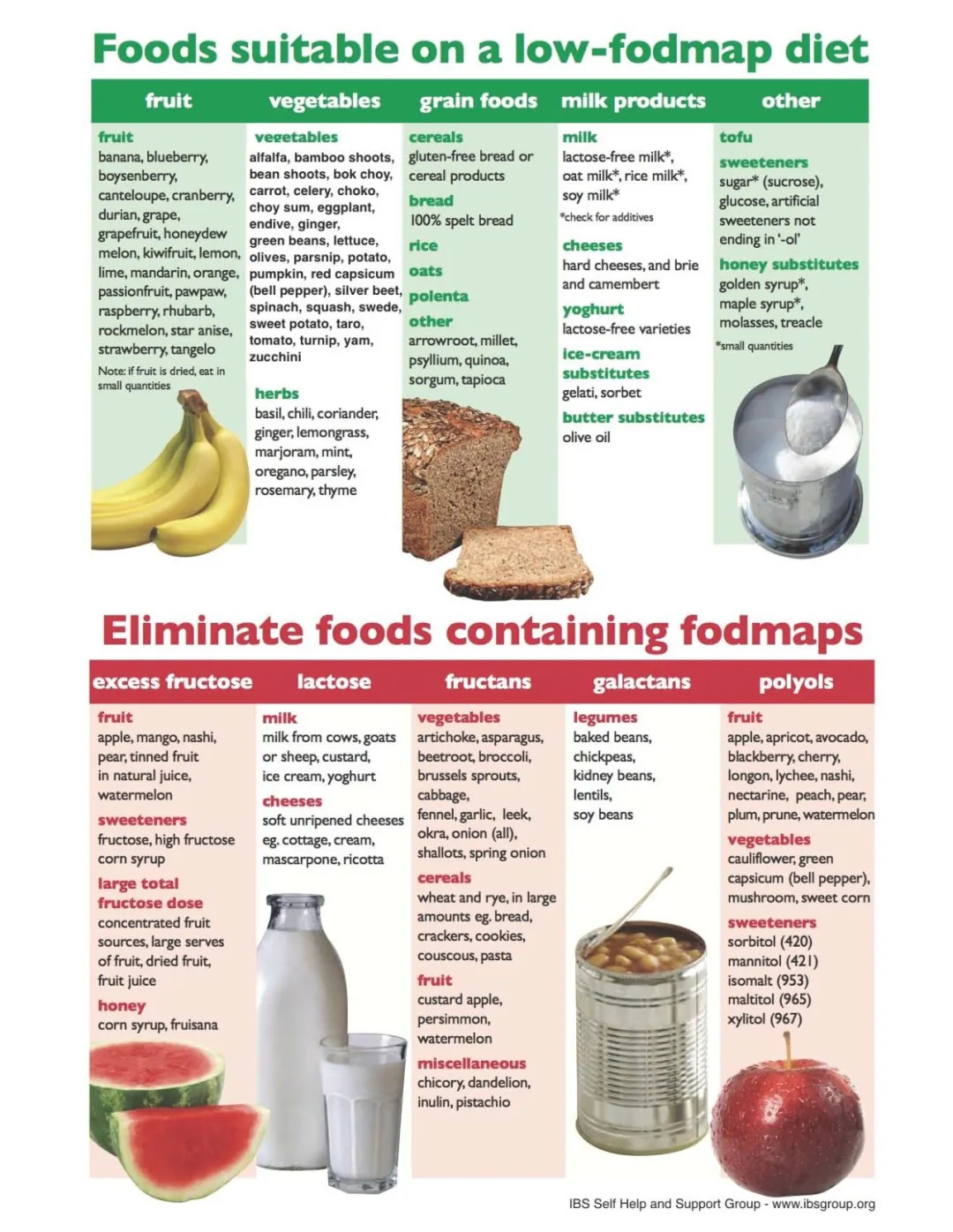
Phase I: This phase lasts 4 to 6 weeks and involves completely removing all high-FODMAP foods (Table 1) from the diet. The goal is to reduce symptoms and establish a baseline of digestive health. Since FODMAPs are present in many foods, it requires careful planning and adherence to avoid unintentional consumption.
Phase II: Once symptoms have stabilized in Phase I, foods are systematically reintroduced one group at a time over a period of 6 to 8 weeks. This helps determine which FODMAPs trigger symptoms and at what quantity they can be tolerated. Each type of FODMAP is introduced individually to assess specific intolerances.
Phase III: After identifying personal triggers, a modified diet is adopted that includes only the tolerated FODMAPs while avoiding problematic ones. This ensures long-term symptom relief while maintaining a varied and nutritionally balanced diet.
Table 1. High-FODMAP and Low-FODMAP foods
| High-FODMAP | Low-FODMAP | |
| Fruits | apples, pears, cherries, watermelon | strawberries, oranges, grapes, bananas (in moderation) |
| Vegetables | onions, garlic, cauliflower, asparagus | carrots, zucchini, spinach, bell peppers |
| Dairy | milk, soft cheeses, yogurt | lactose-free milk, almond milk, hard cheeses |
| Legumes | lentils, chickpeas, black beans | canned lentils (rinsed), firm tofu, peanuts |
| Gains | wheat, rye, barley | rice, quinoa, oats, gluten-free bread |
| Sweeteners | sorbitol, mannitol, xylitol (found in sugar-free gums and candies) | table sugar, maple syrup |
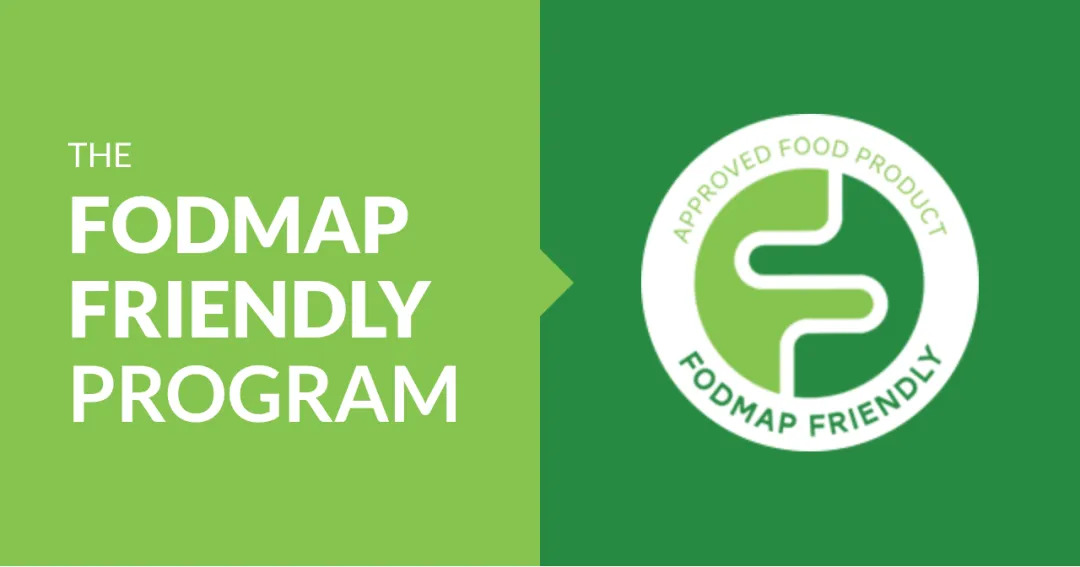
Whilst it may not be easy to know the amount of FODMAP in each food items and food ingredients, several FODMAP certification programs exist to help consumers identify low-FODMAP products and ensure they are safe for individuals following a FODMAP diet. These programs test and certify food products to confirm their compliance with low-FODMAP standards, and logos are printed on the products.
The FODMAP diet is a highly effective approach for managing digestive issues associated with IBS and other gut disorders. However, it is a complex diet requiring careful implementation. While it provides significant symptom relief for most people, it is not a permanent dietary plan. Instead, it serves as a tool to help individuals identify food triggers and create a sustainable, symptom-free eating pattern.
If you are considering a FODMAP diet, it is best to work with a healthcare provider or dietitian to ensure proper guidance and nutritional balance. With the right approach, the FODMAP diet can significantly improve digestive health and overall well-being.
References:
1.Gibson, P. R., & Shepherd, S. J. (2010). "Evidence-based dietary management of functional gastrointestinal symptoms: The FODMAP approach." Journal of Gastroenterology and Hepatology, 25(2), 252-258.
2.Staudacher, H. M., Whelan, K., Irving, P. M., & Lomer, M. C. E. (2012). "Dietary management of irritable bowel syndrome: A review of the evidence." Alimentary Pharmacology & Therapeutics, 35(5), 503-512.
3.Halmos, E. P., Power, V. A., Shepherd, S. J., Gibson, P. R., & Muir, J. G. (2014). "A diet low in FODMAPs reduces symptoms of irritable bowel syndrome." Gastroenterology, 146(1), 67-75.
4.Tuck, C. J., & Vanner, S. J. (2018). "Dietary therapies for functional bowel symptoms: Recent advances, challenges, and future directions." Neurogastroenterology & Motility, 30(1), e13238.

Dr. Seiji is the Chief Scientific Officer of NiHTEK & the owner and partner of GPNi Japan. He brings over 35 years of experience in clinical and sports nutrition, with publications in both the U.S. and Japan. He holds 4 nutrition patents, led the approval of HMB in Japan, and founded Total Nutrition Therapy to train physicians in clinical nutrition.
Latest Articles

GPNi Webinar | The Peptide Boom: What’s Real, What’s Regulated, and What’s Risky
Today, let’s take a closer look at Rick’s upcoming presentation on the science, regulation, and market realities of peptides.

Female Athlete Triad: Why “Eating Less to Perform Better” Can Undermine Health and Performance
Female Athlete Triad is a key concept in female athlete health, linking low energy availability, menstrual disturbance, and low bone mineral density. Learn how evidence-based sports nutrition supports performance, recovery, and long-term health.

From Esports to Sports Nutrition: Are Nootropics the Next Big Trend in Performance Nutrition?
Nootropics are emerging in sports nutrition, esports, tactical performance, and brain health. Learn how cognitive nutrition may support focus, decision-making, and mental performance.

Official Study Guide: How to Prepare for SNS/CISSN Certification More Efficiently
Prepare for SNS and CISSN certification more efficiently with evidence-based study strategies, practical learning tools, and exam preparation tips.

5 Sport Nutrition “Truths” That Sound Right — But Aren’t Always True
Learn five common sport nutrition myths about protein timing, carbs, BCAAs, creatine, and pre-workout supplements — and how to think more evidence-based.
Subscribe to our newsletter and receive a selection of cool articles every week

Bloating & Diarrhea After Milk? First Figure Out: Intolerance or Allergy?
16 Mar, 2026
Reassessing Yeast Protein as an Alternative Protein Source
06 Mar, 2026
The New U.S. Food Pyramid: A Scientific Comparison with Its Predecessor
09 Feb, 2026

The Importance of Education in Sports Nutrition
21 Jan, 2026
About