Start for as low as $169 down. Enroll today and pay over time.
Start for as low as $169 down. Enroll today and pay over time.

Collagen has become a buzzword in the health, wellness, and beauty industries, touted for its potential benefits in skin health, joint function, and muscle recovery. But does scientific evidence support these claims?
Collagen is the most abundant protein in the human body, accounting for about 30% of total protein content. It is a structural protein found in connective tissues, skin, tendons, bones, and cartilage, providing strength, elasticity, and resilience essential for maintaining structural integrity.
The Digestible Indispensable Amino Acid Score (DIAAS) measures protein quality based on the digestibility of essential amino acids (EAA). Collagen’s amino acid profile differs significantly from high-quality proteins like whey. It is rich in glycine, proline, and hydroxyproline but deficient in EAA such as tryptophan, methionine, isoleucine, and threonine. As a result, collagen has a very low DIAAS—often near zero — because it cannot meet EAA requirements on its own.
Although collagen peptides have shown benefits for muscle recovery when combined with resistance training, they are less effective compared to proteins with higher DIAAS. (Zdzieblik et al., 2015). Notably, the placebo in Zdzieblik's study was maltodextrin, which was neither isocaloric nor isonitrogenous, introducing potential confounding variables in the study.
While studies suggest collagen supplementation may support skin health, joint health, and bone density, further research is needed to establish direct, causative benefits. Additionally, it was found that certain bioactive peptides derived from collagen exhibit antioxidant, anti-inflammatory, and antimicrobial properties. There may be unexplored benefit in collagen but it does not qualify as a high-quality protein.
Given collagen’s low DIAAS, it should not be relied upon as the sole protein source. However, it can complement high-quality proteins rich in EAA, creating a more balanced amino acid profile that supports overall health and protein synthesis.
While DIAAS highlights collagen’s limitations as a standalone protein source, incorporating collagen into a diet alongside high-DIAAS proteins allows individuals to benefit from its unique properties without compromising overall protein quality.
References
1.Proksch, E., Schunck, M., Zague, V., Segger, D., Degwert, J., & Oesser, S. (2014). Oral intake of specific bioactive collagen peptides reduces skin wrinkles and increases dermal matrix synthesis. Skin Pharmacology and Physiology, 27(3), 113–119.
2.FAO. (2013). Dietary protein quality evaluation in human nutrition: Report of an FAO Expert Consultation. FAO Food and Nutrition Paper 92.
3.Mathai, J. K., Liu, Y., & Stein, H. H. (2017). Values for digestible indispensable amino acid scores (DIAAS) for some dairy and plant proteins may better describe protein quality than PDCAAS. British Journal of Nutrition, 117(4), 490–499.
4.Zdzieblik, D., Oesser, S., Baumstark, M. W., Gollhofer, A., & König, D. (2015). Collagen peptide supplementation in combination with resistance training improves body composition and increases muscle strength in elderly sarcopenic men: A randomized controlled trial. British Journal of Nutrition, 114(8), 1237–1245.
5.Clark, K. L., Sebastianelli, W., Flechsenhar, K. R., Aukermann, D. F., Meza, F., Millard, R. L., ... & Albert, A. (2008). 24-week study on the use of collagen hydrolysate as a dietary supplement in athletes with activity-related joint pain. Current Medical Research and Opinion, 24(5), 1485–1496.
6.König, D., Oesser, S., Scharla, S., Zdzieblik, D., & Gollhofer, A. (2018). Specific collagen peptides improve bone mineral density and bone markers in postmenopausal women—A randomized controlled study. Nutrients, 10(1), 97.
7.Bao, X., Liu, F., Ji, S., & Wang, X. (2019). Antioxidant and antimicrobial activities of bioactive peptides derived from marine collagen. Journal of Functional Foods, 57, 295–302.

Dr. Seiji is the Chief Scientific Officer of NiHTEK & the owner and partner of GPNi Japan. He brings over 35 years of experience in clinical and sports nutrition, with publications in both the U.S. and Japan. He holds 4 nutrition patents, led the approval of HMB in Japan, and founded Total Nutrition Therapy to train physicians in clinical nutrition.
Latest Articles

GPNi Webinar | The Peptide Boom: What’s Real, What’s Regulated, and What’s Risky
Today, let’s take a closer look at Rick’s upcoming presentation on the science, regulation, and market realities of peptides.

Female Athlete Triad: Why “Eating Less to Perform Better” Can Undermine Health and Performance
Female Athlete Triad is a key concept in female athlete health, linking low energy availability, menstrual disturbance, and low bone mineral density. Learn how evidence-based sports nutrition supports performance, recovery, and long-term health.
From Esports to Sports Nutrition: Are Nootropics the Next Big Trend in Performance Nutrition?
Nootropics are emerging in sports nutrition, esports, tactical performance, and brain health. Learn how cognitive nutrition may support focus, decision-making, and mental performance.
Official Study Guide: How to Prepare for SNS/CISSN Certification More Efficiently
Prepare for SNS and CISSN certification more efficiently with evidence-based study strategies, practical learning tools, and exam preparation tips.

5 Sport Nutrition “Truths” That Sound Right — But Aren’t Always True
Learn five common sport nutrition myths about protein timing, carbs, BCAAs, creatine, and pre-workout supplements — and how to think more evidence-based.
Subscribe to our newsletter and receive a selection of cool articles every week

Bloating & Diarrhea After Milk? First Figure Out: Intolerance or Allergy?
16 Mar, 2026
Reassessing Yeast Protein as an Alternative Protein Source
06 Mar, 2026
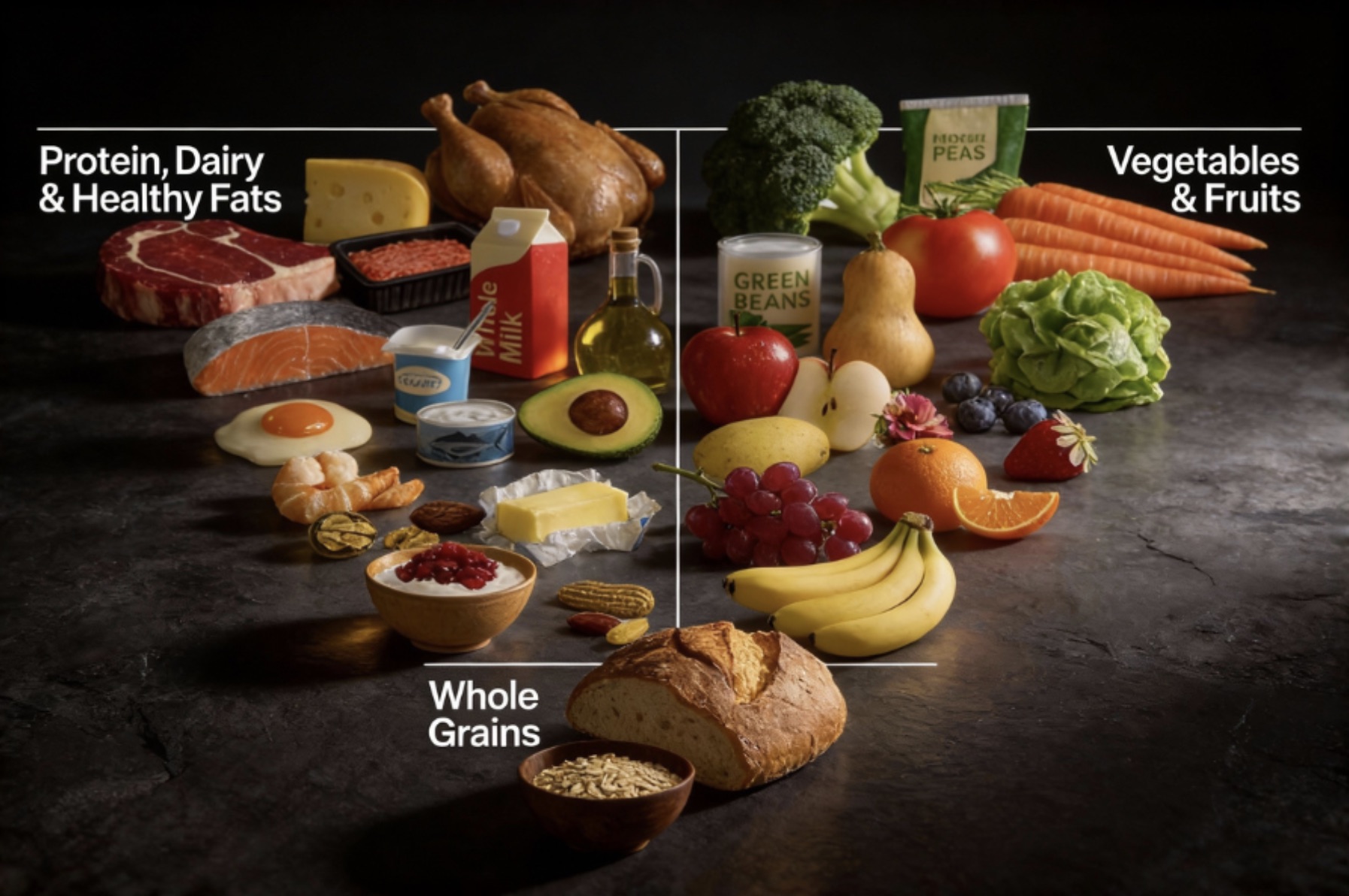
The New U.S. Food Pyramid: A Scientific Comparison with Its Predecessor
09 Feb, 2026

The Importance of Education in Sports Nutrition
21 Jan, 2026
About