Start for as low as $169 down. Enroll today and pay over time.
Start for as low as $169 down. Enroll today and pay over time.
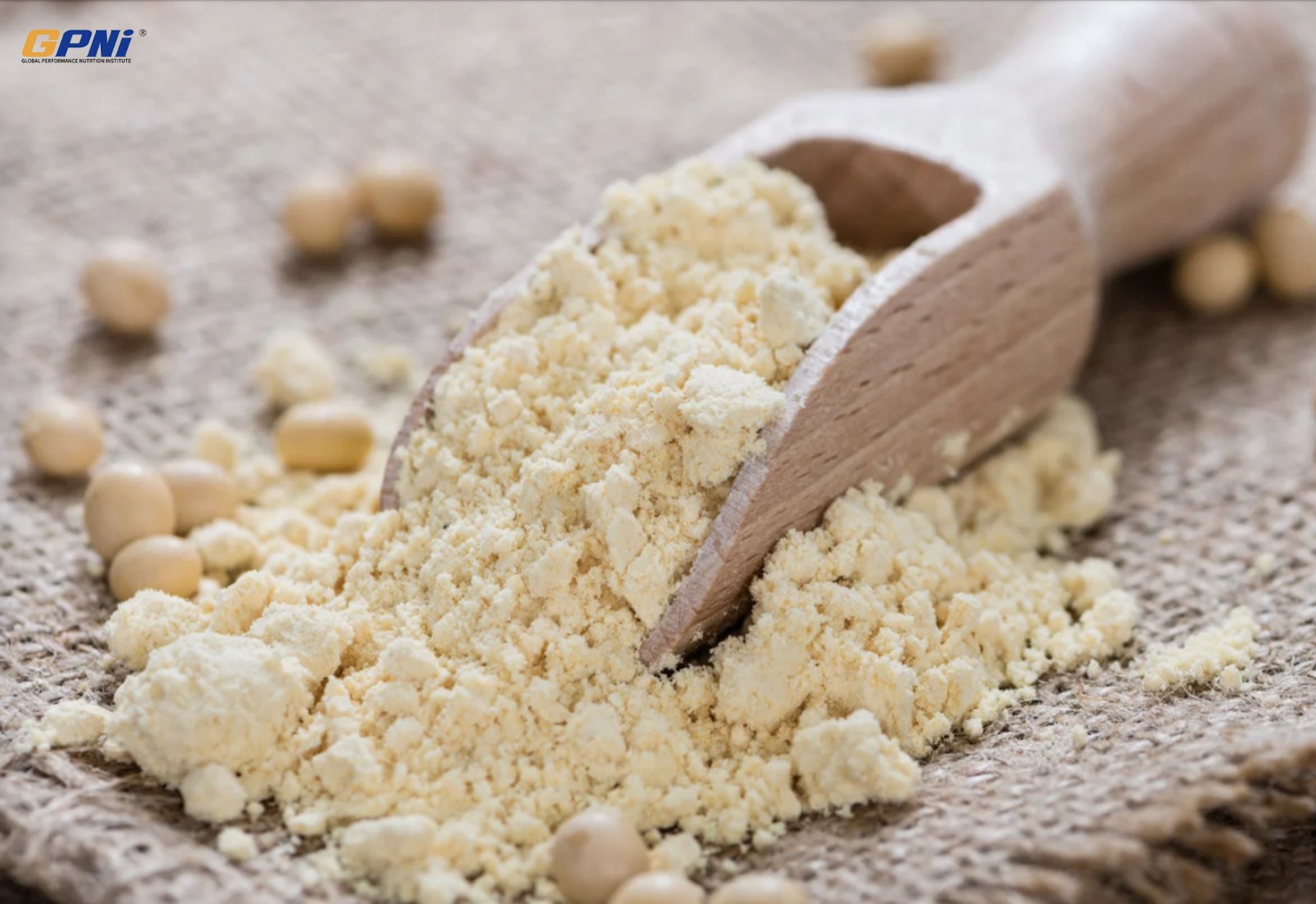
Soy protein, particularly in forms like soy protein isolate (SPI) and soy protein concentrate (SPC) is a prevalent ingredient in plant-based foods and supplements. Yet, multiple concerns have arisen regarding its production, nutritional value, digestive effects, allergenicity, hormonal impacts, and environmental footprint.
Soy Protein Isolate (SPI) is produced by defatting soy flakes, commonly using hexane as the solvent followed by alkaline or acid extraction, isoelectric precipitation, and drying processes [1, 2]. Hexane, a volatile organic solvent, is widely used in oilseed processing but raises environmental and health concerns due to its flammability and neurotoxicity [3]. Notably, residual hexanal, a marker of lipid oxidation and possible solvent traces, has been identified in some commercial SPI products [4]. While manufacturers assert that hexane is fully removed during processing, peer-reviewed studies suggest trace residues may persist at low levels [5].
Soy naturally contains anti-nutritional factors such as phytic acid, trypsin inhibitors, and oligosaccharides, which can impair mineral absorption and cause digestive discomfort (e.g., gas, bloating, diarrhea), particularly in non-fermented forms like SPI [6, 7].
Phytic acid binds essential minerals like iron and zinc, reducing their bioavailability [8]. Trypsin inhibitors interfere with protein digestion, while raffinose and stachyose (types of oligosaccharides) are poorly digested in the small intestine, leading to fermentation in the colon [9].
However, germination (sprouting) of soybeans significantly reduces trypsin inhibitor activity and enhances digestibility, highlighting nutritional concerns with traditional SPI processing [10].
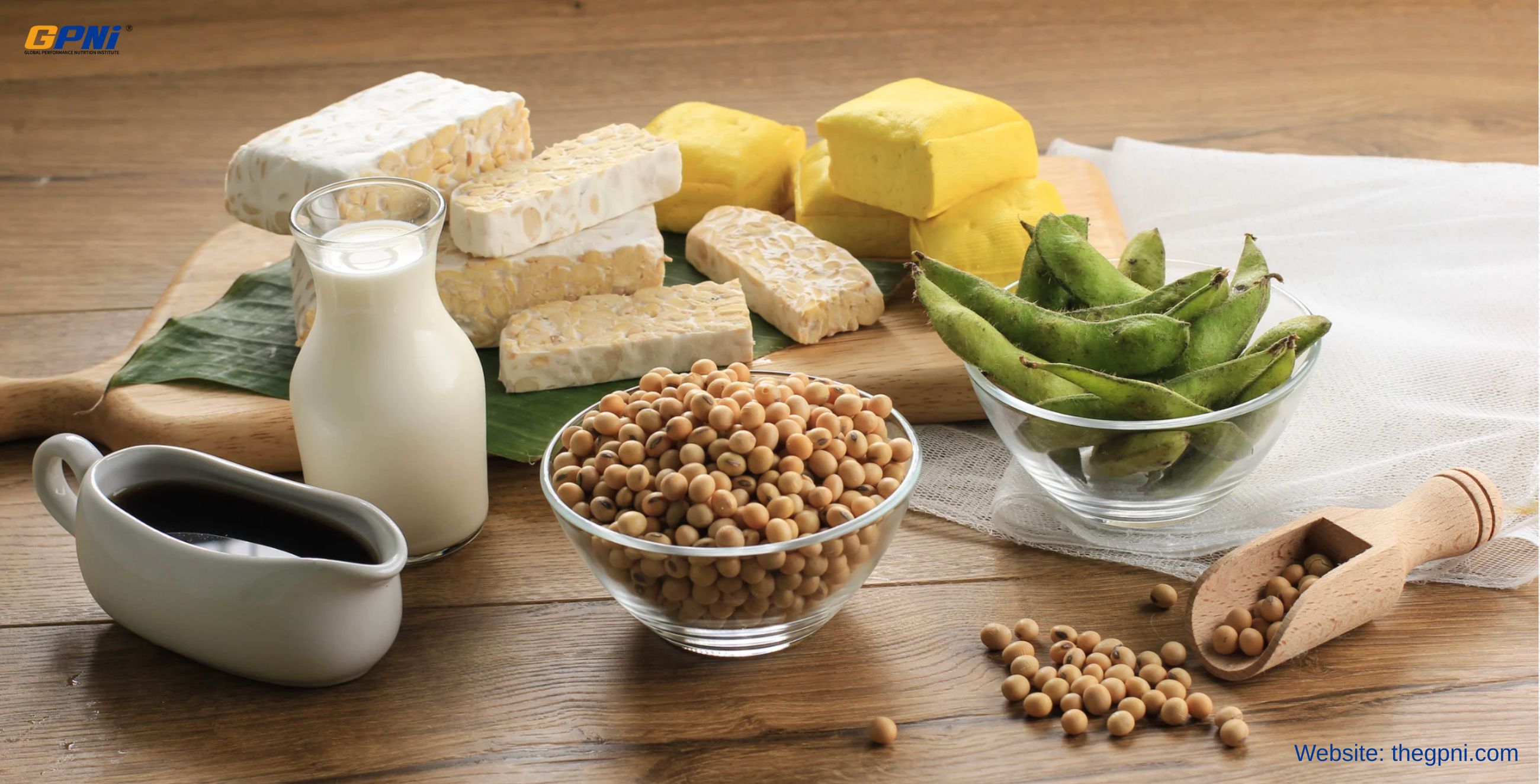
Soy is a major food allergen, affecting approximately 0.3% of the general population, including both children and adults [11]. Allergic reactions can vary from mild symptoms such as hives and gastrointestinal discomfort to severe manifestations like anaphylaxis [12]. In infants, soy allergy may also present as Food Protein-Induced Enterocolitis Syndrome (FPIES), a delayed and potentially serious gastrointestinal response to soy protein [13].
Due to the widespread use of soy derivatives in processed foods, cosmetics, and pharmaceuticals, strict label scrutiny and avoidance are essential for affected individuals [14].
Soy contains phytoestrogens, particularly isoflavones such as genistein and daidzein, which are structurally like human estrogen and can bind to estrogen receptors in the body [15].
While early animal studies raised concerns about potential hormonal disruption, comprehensive human clinical trials and meta-analyses have demonstrated no significant adverse effects on reproductive tissues, fertility, or male testosterone levels [16, 17].
While soy is often promoted as a sustainable crop, its expansion, particularly in South America has been a major driver of deforestation, notably in the Amazon rainforest [18].
Although most soy is used for animal feed rather than human food, the growing global demand indirectly fuels land clearing for soy monocultures, contributing to biodiversity loss, carbon emissions, and disruption of indigenous lands [19]. Even when used in products like SPI, concerns remain around supply chain traceability, as raw soy inputs may originate from ecologically sensitive or illegally deforested zones [20, 21]. This underscores the importance of sourcing soy from deforestation-free certified suppliers and promoting regenerative agricultural practices.
Considering the evidence, soy protein, particularly in its isolated and concentrated forms, presents a complex nutritional and ethical profile. While it remains a versatile and protein-rich option for many plant-based diets, concerns surrounding chemical residues from processing, anti-nutritional compounds, allergenicity, hormonal interactions, and environmental degradation cannot be overlooked.
Advances in cleaner extraction methods, increased transparency in sourcing, and the adoption of regenerative agricultural practices are essential to mitigating these risks. As consumer demand continues to rise, striking a balance between health benefits, ecological stewardship, and food safety will be pivotal in shaping the future of soy-based nutrition.
References
1.Liu, K. (1997). Soybeans: Chemistry, Technology, and Utilization. Springer US.
2.U.S. Food and Drug Administration (FDA). (2016). GRAS Notice for Soy Protein Isolate.
3.OECD. (2001). Hexane CAS No: 110-54-3 SIDS Initial Assessment Report.
4.Riaz, M. N. (2006). Soy Applications in Food. CRC Press.
5.Centre for Science in the Public Interest (CSPI). (2009). Hexane: A Hidden Hazard in Processed Foods.
6.Gilani, G. S., et al. (2005). Journal of AOAC International, 88(3), 967–987.
7.Friedman, M., & Brandon, D. L. (2001). Journal of Agricultural and Food Chemistry, 49(3), 1069–1086.
8.Hurrell, R. F. (2003). Journal of Nutrition, 133(9), 2973S–2977S.
9.Flatulence Factors in Legumes. (2006). In: Handbook of Nutraceuticals and Functional Foods, 2nd ed.
10.Vidal-Valverde, C., et al. (2002). Food Chemistry, 77(3), 327–336.
11.Savage, J., & Johns, C. B. (2015). Immunology and Allergy Clinics, 35(1), 45–59.
12.Sicherer, S. H., & Sampson, H. A. (2014). Journal of Allergy and Clinical Immunology, 133(2), 291–307.e5.
13.Nowak-Węgrzyn, A., et al. (2017). Journal of Allergy and Clinical Immunology: In Practice, 5(2), 370–378.e2.
14.Food and Drug Administration (FDA). (2022). Food Allergen Labeling and Consumer Protection Act of 2004 (FALCPA).
15.Setchell, K. D. R., & Cassidy, A. (1999). Journal of Nutrition, 129(3), 758S–767S.
16.Messina, M. (2010). Journal of Nutrition, 140(12), 2289S–2295S.
17.Hamilton-Reeves, J. M., et al. (2010). Fertility and Sterility, 94(3), 997–1007.
18.Gibbs, H. K., et al. (2015). Science, 347(6220), 377–378.
19.Henders, S., Persson, U. M., & Kastner, T. (2015). Environmental Research Letters, 10(12), 125012.
20.WWF. (2021). Soy and Deforestation. https://www.worldwildlife.org
21.Trase. (2020). The hidden deforestation risk in soy supply chains. Stockholm Environment Institute and Global Canopy.

Dr. Seiji is the Chief Scientific Officer of NiHTEK & the owner and partner of GPNi Japan. He brings over 35 years of experience in clinical and sports nutrition, with publications in both the U.S. and Japan. He holds 4 nutrition patents, led the approval of HMB in Japan, and founded Total Nutrition Therapy to train physicians in clinical nutrition.
Latest Articles

GPNi Webinar | The Peptide Boom: What’s Real, What’s Regulated, and What’s Risky
Today, let’s take a closer look at Rick’s upcoming presentation on the science, regulation, and market realities of peptides.

Female Athlete Triad: Why “Eating Less to Perform Better” Can Undermine Health and Performance
Female Athlete Triad is a key concept in female athlete health, linking low energy availability, menstrual disturbance, and low bone mineral density. Learn how evidence-based sports nutrition supports performance, recovery, and long-term health.

From Esports to Sports Nutrition: Are Nootropics the Next Big Trend in Performance Nutrition?
Nootropics are emerging in sports nutrition, esports, tactical performance, and brain health. Learn how cognitive nutrition may support focus, decision-making, and mental performance.
Official Study Guide: How to Prepare for SNS/CISSN Certification More Efficiently
Prepare for SNS and CISSN certification more efficiently with evidence-based study strategies, practical learning tools, and exam preparation tips.

5 Sport Nutrition “Truths” That Sound Right — But Aren’t Always True
Learn five common sport nutrition myths about protein timing, carbs, BCAAs, creatine, and pre-workout supplements — and how to think more evidence-based.
Subscribe to our newsletter and receive a selection of cool articles every week

Bloating & Diarrhea After Milk? First Figure Out: Intolerance or Allergy?
16 Mar, 2026
Reassessing Yeast Protein as an Alternative Protein Source
06 Mar, 2026
The New U.S. Food Pyramid: A Scientific Comparison with Its Predecessor
09 Feb, 2026
The Importance of Education in Sports Nutrition
21 Jan, 2026
About