Start for as low as $169 down. Enroll today and pay over time.
Start for as low as $169 down. Enroll today and pay over time.

The use of glucagon-like peptide-1 receptor agonists (GLP-1) has revolutionized the treatment of type 2 diabetes and obesity. Medications such as semaglutide, liraglutide, and dulaglutide offer dual benefits of glycemic control and weight loss through mechanisms that include enhanced insulin secretion, suppressed glucagon release, delayed gastric emptying, and reduced appetite [1].
However, while the pharmacologic efficacy of GLP-1 is well-established, optimal outcomes depend significantly on complementary lifestyle interventions, but most critically, nutritional management.
GLP-1 work in part by reducing appetite and promoting satiety, leading to significantly lower caloric intake. While this is beneficial for weight loss and metabolic improvement, it raises concerns about micronutrient and macronutrient sufficiency, especially over long period of time [2]. Patients may experience early satiety or aversion to certain food textures, reducing the overall diversity and volume of dietary intake.
A nutrient-dense diet becomes crucial under these conditions. This means prioritizing foods (and supplements, where necessary) that provide essential vitamins, minerals, fiber, and bioavailable protein within a restricted calorie budget. Without careful dietary planning, patients risk developing deficiencies in iron, vitamin B12, calcium, magnesium, and fat-soluble vitamins [3].
One of the critical nutritional priorities during GLP-1 therapy is maintaining lean body mass. Although weight loss induced by GLP-1s is primarily from fat mass, studies indicate that 20~40% may come from lean tissue, particularly in older adults and those with insufficient protein intake [4].
To mitigate this risk, adequate protein consumption is essential. The recommended intake for weight-stable adults (0.8 g/kg body weight/day) is likely insufficient for GLP-1 users undergoing caloric restriction. Instead, a higher intake, ranging from 1.2~1.6 g/kg body weight/day is advised to support muscle protein synthesis (MPS), especially when combined with resistance exercise [5]. Furthermore, protein quality matters: fast-digesting, leucine-rich proteins such as whey are particularly effectiv.

Leucine, an essential branched-chain amino acid, serves as a key activator of the mTOR pathway, which regulates muscle anabolism. Intake of ~2.5 g of leucine per meal is recommended to maximally stimulate MPS in older adults [6]. For GLP-1 users consuming fewer meals, achieving this threshold at each eating occasion becomes even more important.
Gastrointestinal (GI) symptoms are among the most common side effects of GLP-1, including nausea, bloating, reflux, constipation, and diarrhea. These symptoms can compromise adherence and nutritional intake, especially during the early phase of therapy [7].
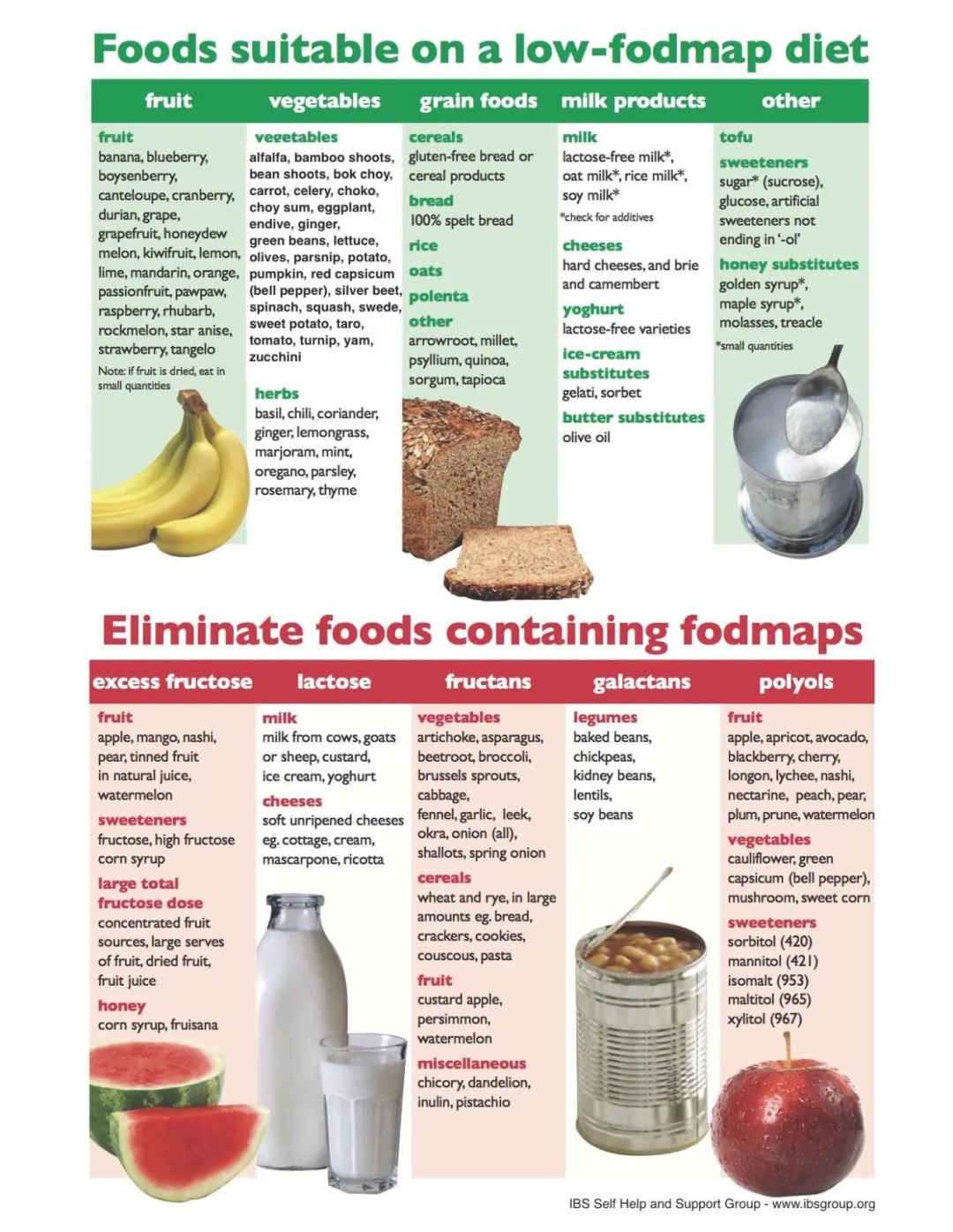
Dietary strategies to alleviate GI discomfort include:
Furthermore, protein supplements used in this context should be low in lactose, low in FODMAPs, and easily digestible. Hydrolyzed proteins or fermented plant-based proteins with proven tolerability may enhance compliance in sensitive individuals.
Table 1. High-FODMAP and Low-FODMAP foods
| High-FODMAP | Low-FODMAP | |
|---|---|---|
| Fruits | apples, pears, cherries, watermelon | strawberries, oranges, grapes, bananas (in moderation) |
| Vegetables | onions, garlic, cauliflower, asparagus | carrots, zucchini, spinach, bell peppers |
| Dairy | milk, soft cheeses, yogurt | lactose-free milk, almond milk, hard cheeses |
| Legumes | lentils, chickpeas, black beans | canned lentils (rinsed), firm tofu, peanuts |
| Gains | wheat, rye, barley | rice, quinoa, oats, gluten-free bread |
| Sweeteners | sorbitol, mannitol, xylitol (found in sugar-free gums and candies) | table sugar, maple syrup |
Weight loss through pharmacotherapy is only part of the equation. Long-term success depends on the ability to maintain reduced body weight and metabolic gains. Nutritional counseling plays a pivotal role in establishing sustainable eating habits, preventing muscle loss, and minimizing metabolic adaptation [9].
GLP-1 therapy should be paired with a structured, personalized dietary plan that evolves with the patient’s changing physiology and appetite. High-protein, low-glycemic diets have been shown to reduce postprandial glucose excursions and improve satiety, making them particularly suitable for GLP-1 users [10].
Older adults, already at risk of sarcopenia and frailty, require even more careful nutritional oversight during GLP-1 therapy. Age-related anabolic resistance makes it harder to preserve muscle mass during weight loss. For this group, higher protein intake (≥1.5 g/kg body weight/day), adequate vitamin D, and possibly targeted amino acid supplementation (e.g., leucine) should be considered [11].
Moreover, older adults may also experience compounded appetite suppression and taste changes, further limiting dietary intake. Dietitians must ensure that meals are palatable, easy to prepare, and culturally appropriate while delivering essential nutrients.
Despite the clear need for dietary management, many clinical settings do not routinely integrate dietitians or structured nutritional care into GLP-1 protocols. Given the complexity of appetite, behavior change, and potential nutrient gaps, multidisciplinary support should be the standard.

A 2023 consensus from the American Association of Clinical Endocrinology emphasized that lifestyle counseling, including nutrition should accompany all obesity pharmacotherapies, not only to enhance outcomes but to mitigate risks [12].
Digital nutrition platforms, meal delivery services tailored to GLP-1 users, or specialized protein products (e.g., high-leucine, low-FODMAP formulations) may offer scalable solutions to support adherence in real-world settings.
GLP-1 receptor agonists offer powerful tools for managing obesity and type 2 diabetes, but their success hinges on more than pharmacology. Nutritional management is not optional, rather it is foundational to maximizing benefits, minimizing adverse effects, and sustaining long-term health. Optimizing protein intake, ensuring micronutrient adequacy, addressing GI side effects, and tailoring interventions to individual needs are essential components of care. As the use of GLP-1 therapy expands, so too must our commitment to comprehensive, evidence-based nutritional support.
References
1.Drucker, D. J. (2018). Cell Metabolism, 27(4), 740–756.
2.Hess, D. A., et al. (2022). Current Obesity Reports, 11(1), 1–10.
3.Mechanick, J. I., et al. (2020). Obesity (Silver Spring),
28(S1), S1–S58.
4.Rasmussen, T. S., et al. (2023). Diabetes, Obesity and Metabolism, 25(2), 471–480.
5.Phillips, S. M., & Moore, D. R. (2021). Nutrients, 13(6), 1921.
6.Devries, M. C., & Phillips, S. M. (2015). Journal of Food Science, 80(S1), A8–A15.
7.Nauck, M. A., & Meier, J. J. (2019). European Journal of Endocrinology, 181(6), R211–R234.
8.Staudacher, H. M., & Whelan, K. (2017). Gastroenterology and Hepatology, 14(4), 230–237.
9.Hall, K. D., & Kahan, S. (2018). Medical Clinics of North America, 102(1), 183–197.
10.Astrup, A., et al. (2020). The Lancet Diabetes & Endocrinology, 8(7), 595–605.
11.Bauer, J., et al. (2013). Journal of the American Medical Directors Association, 14(8), 542–559.
American Association of Clinical Endocrinology (AACE). (2023). AACE clinical practice guideline for comprehensive obesity care. https://pro.aace.com/obesity-guideline
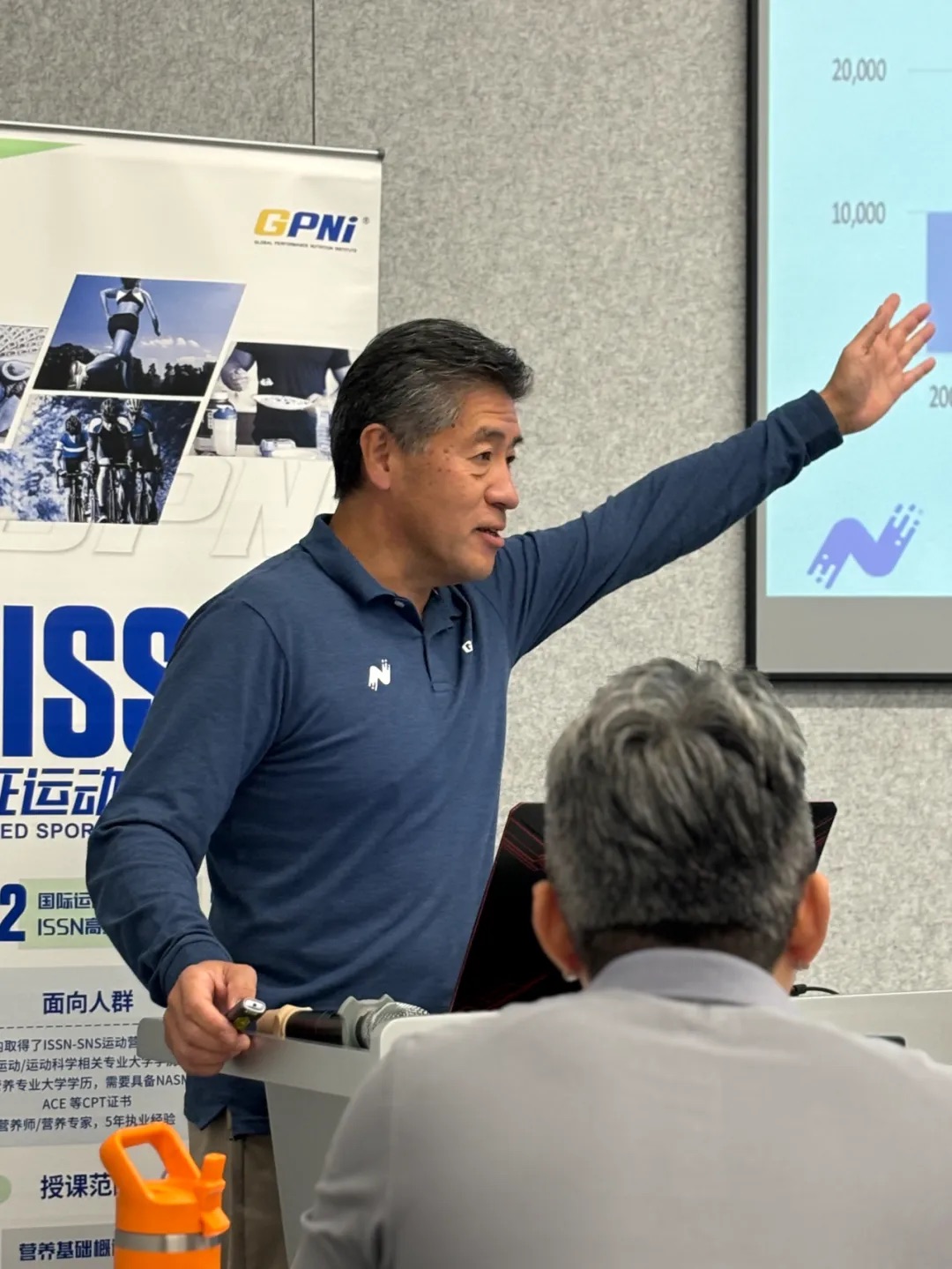
Dr. Seiji is the Chief Scientific Officer of NiHTEK & the owner and partner of GPNi Japan. He brings over 35 years of experience in clinical and sports nutrition, with publications in both the U.S. and Japan. He holds 4 nutrition patents, led the approval of HMB in Japan, and founded Total Nutrition Therapy to train physicians in clinical nutrition.
Latest Articles

GPNi Webinar | The Peptide Boom: What’s Real, What’s Regulated, and What’s Risky
Today, let’s take a closer look at Rick’s upcoming presentation on the science, regulation, and market realities of peptides.

Female Athlete Triad: Why “Eating Less to Perform Better” Can Undermine Health and Performance
Female Athlete Triad is a key concept in female athlete health, linking low energy availability, menstrual disturbance, and low bone mineral density. Learn how evidence-based sports nutrition supports performance, recovery, and long-term health.

From Esports to Sports Nutrition: Are Nootropics the Next Big Trend in Performance Nutrition?
Nootropics are emerging in sports nutrition, esports, tactical performance, and brain health. Learn how cognitive nutrition may support focus, decision-making, and mental performance.
Official Study Guide: How to Prepare for SNS/CISSN Certification More Efficiently
Prepare for SNS and CISSN certification more efficiently with evidence-based study strategies, practical learning tools, and exam preparation tips.

5 Sport Nutrition “Truths” That Sound Right — But Aren’t Always True
Learn five common sport nutrition myths about protein timing, carbs, BCAAs, creatine, and pre-workout supplements — and how to think more evidence-based.
Subscribe to our newsletter and receive a selection of cool articles every week

Bloating & Diarrhea After Milk? First Figure Out: Intolerance or Allergy?
16 Mar, 2026
Reassessing Yeast Protein as an Alternative Protein Source
06 Mar, 2026
The New U.S. Food Pyramid: A Scientific Comparison with Its Predecessor
09 Feb, 2026

The Importance of Education in Sports Nutrition
21 Jan, 2026
About