Start for as low as $169 down. Enroll today and pay over time.
Start for as low as $169 down. Enroll today and pay over time.
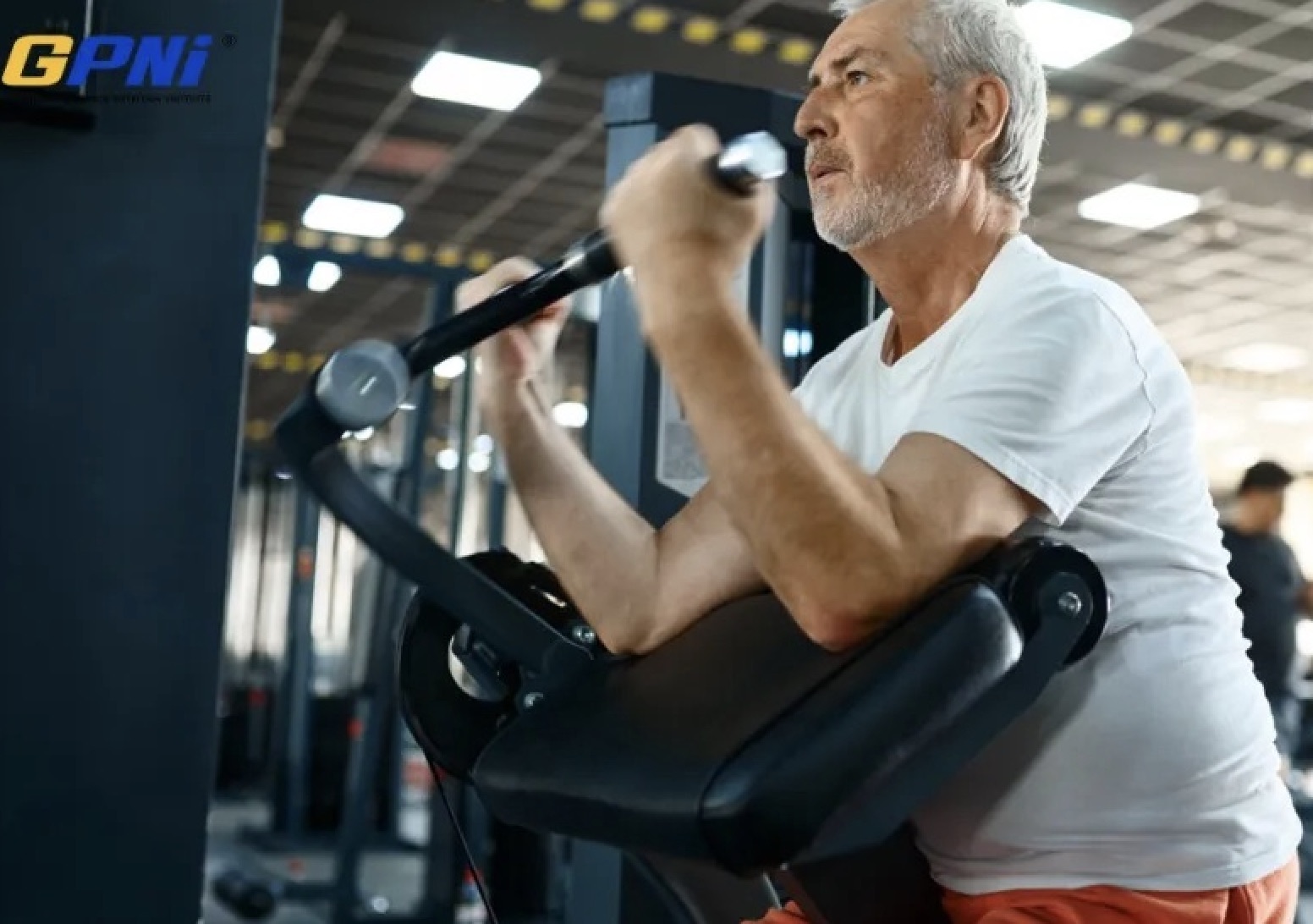
I just celebrated my 62nd birthday, so I thought it would be appropriate to address the importance of protein intake for my generation. Protein consumption is crucial for elderly individuals, particularly those experiencing anabolic resistance—a condition where the body’s ability to synthesize proteins diminishes with age. This resistance can lead to muscle loss, decreased strength, and increased frailty, significantly impacting overall health and quality of life.
Muscle maintenance and growth are key concerns for the elderly, and adequate protein consumption helps counteract muscle loss associated with aging. Protein supports muscle protein synthesis, which is essential for maintaining physical strength and functionality. Nonetheless, inadequate protein intake and anabolic resistance can lead to a condition known as sarcopenia.
Sarcopenia, the age-related loss of muscle mass and strength, can be mitigated through proper protein intake. Regular consumption of high-quality protein sources can slow down or even reverse this condition. High-quality protein refers to those with higher DIAAS (Digestible Indispensable Amino Acid Score).
In addition, protein plays a critical role in healing and recovery for elderly individuals recovering from illness or surgery. It supports tissue repair and immune function, helping to reduce recovery time.

Protein is not just important for muscle health—it also contributes significantly to bone health. Protein makes up about 30–40% of bone’s dry weight and supports the matrix structure of bones. Adequate protein intake can help reduce the risk of fractures and osteoporosis, which are significant concerns for the elderly.
Conversely, obesity and diabetes are also prevalent health concerns for sedentary elderly individuals. Protein is more satiating than carbohydrates or fats, which can help maintain a healthy weight. This is particularly important as obesity can exacerbate health issues in older adults. Higher-protein diets can positively influence metabolic health by helping regulate blood sugar levels and reducing the risk of type II diabetes, which is more prevalent in aging populations.
So, can the elderly overcome anabolic resistance? There are many ways elderly individuals can overcome anabolic resistance.
Ensuring adequate protein intake is essential for elderly individuals, particularly those facing anabolic resistance. By promoting muscle health, enhancing recovery, and supporting overall well-being, proper protein consumption can significantly improve the quality of life for the aging population. In addition, regular resistance training or weight-bearing exercises should be added. As the saying goes, "No pain, no gain."
References
1. Cruz-Jentoft, A. J., & Sayer, A. A. (2019) Sarcopenia: Revised European consensus on definition and diagnosis. Age and Ageing, 48(1), 16-31.
2. Bauer, J. M., et al. (2013) Evidence-based recommendations for optimal dietary protein intake in older people: a position paper of the PROT-AGE Study Group. Journal of Nutrition, Health & Aging, 17(7), 635-648.
3. Volpi, E., et al. (2013) Aging and the muscle protein synthetic response to meal ingestion. Current Opinion in Clinical Nutrition and Metabolic Care, 16(1), 83-88.
4. Paddon-Jones, D., et al. (2008) Protein and healthy aging. American Journal of Clinical Nutrition, 87(5), 1552S-1556S.
5. Kumar, V., et al. (2009) Aging disrupts the muscle protein synthetic response to resistance exercise. Journal of Clinical Endocrinology & Metabolism, 94(3), 976-983.
6. Cameron, J. D., et al. (2014) The role of dietary protein in the prevention and management of sarcopenia. Nutrition Reviews, 72(5), 308-316.
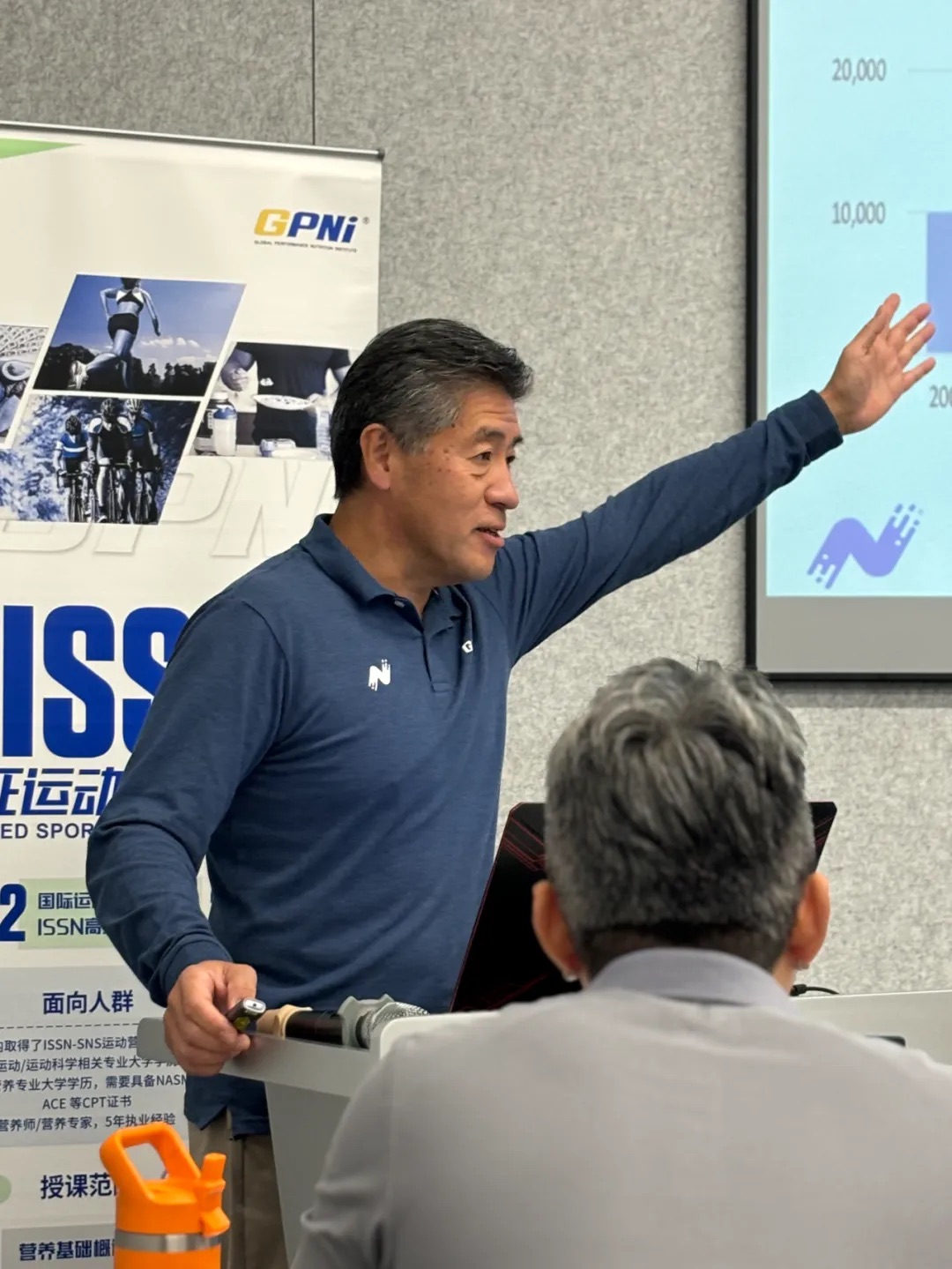
Dr. Seiji is the Chief Scientific Officer of NiHTEK & the owner and partner of GPNi Japan. He brings over 35 years of experience in clinical and sports nutrition, with publications in both the U.S. and Japan. He holds 4 nutrition patents, led the approval of HMB in Japan, and founded Total Nutrition Therapy to train physicians in clinical nutrition.
Latest Articles

GPNi Webinar | The Peptide Boom: What’s Real, What’s Regulated, and What’s Risky
Today, let’s take a closer look at Rick’s upcoming presentation on the science, regulation, and market realities of peptides.

Female Athlete Triad: Why “Eating Less to Perform Better” Can Undermine Health and Performance
Female Athlete Triad is a key concept in female athlete health, linking low energy availability, menstrual disturbance, and low bone mineral density. Learn how evidence-based sports nutrition supports performance, recovery, and long-term health.
From Esports to Sports Nutrition: Are Nootropics the Next Big Trend in Performance Nutrition?
Nootropics are emerging in sports nutrition, esports, tactical performance, and brain health. Learn how cognitive nutrition may support focus, decision-making, and mental performance.
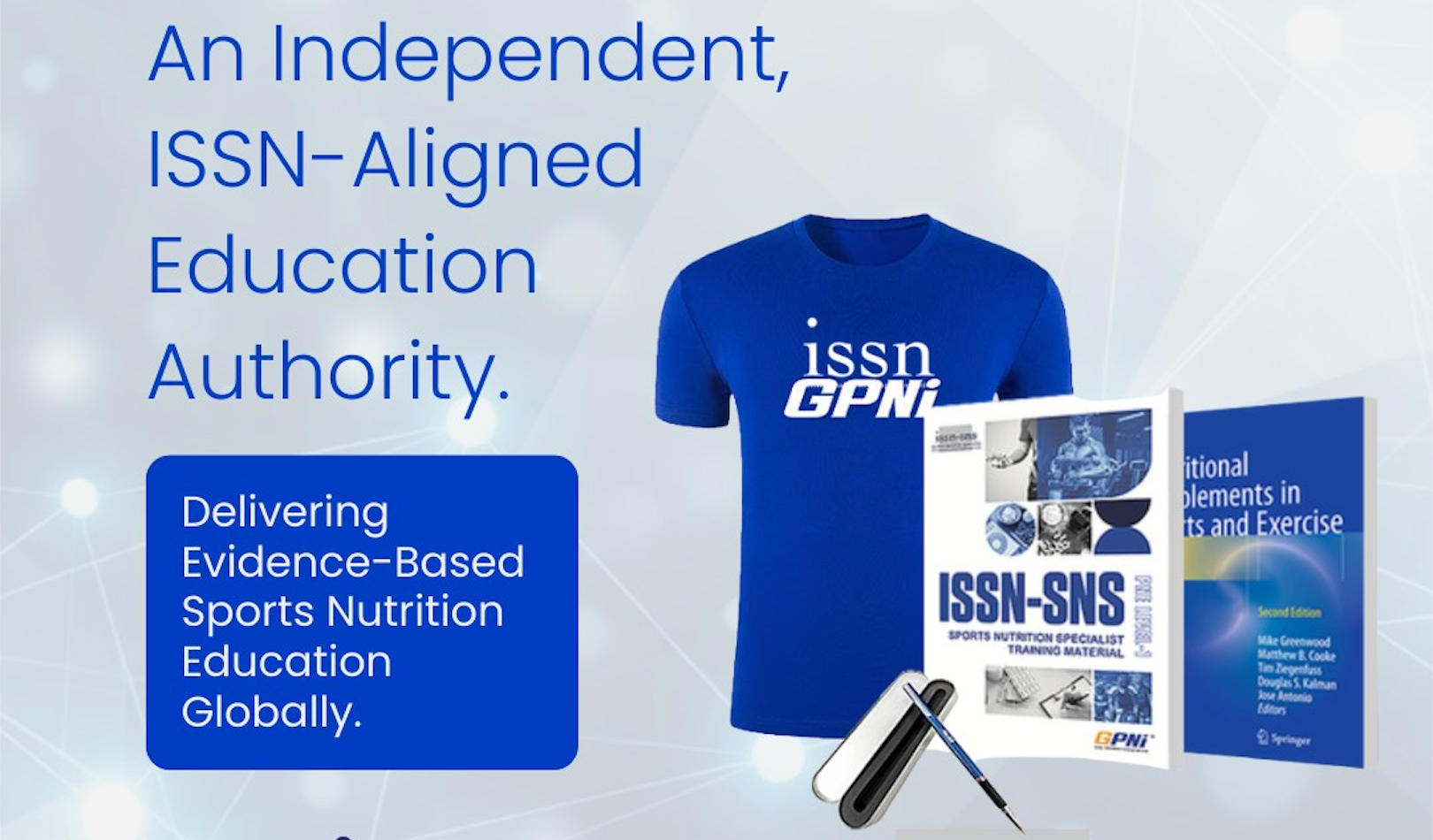
Official Study Guide: How to Prepare for SNS/CISSN Certification More Efficiently
Prepare for SNS and CISSN certification more efficiently with evidence-based study strategies, practical learning tools, and exam preparation tips.
5 Sport Nutrition “Truths” That Sound Right — But Aren’t Always True
Learn five common sport nutrition myths about protein timing, carbs, BCAAs, creatine, and pre-workout supplements — and how to think more evidence-based.
Subscribe to our newsletter and receive a selection of cool articles every week
Bloating & Diarrhea After Milk? First Figure Out: Intolerance or Allergy?
16 Mar, 2026
Reassessing Yeast Protein as an Alternative Protein Source
06 Mar, 2026
The New U.S. Food Pyramid: A Scientific Comparison with Its Predecessor
09 Feb, 2026
The Importance of Education in Sports Nutrition
21 Jan, 2026
About