Start for as low as $169 down. Enroll today and pay over time.
Start for as low as $169 down. Enroll today and pay over time.

Protein intake, physical exercise, and testosterone are interdependent factors that play critical roles in skeletal muscle anabolism, metabolic health, and overall physical performance. Testosterone regulates protein metabolism, while exercise modulates hormonal responses and influences protein requirements. This article synthesizes current evidence regarding the interactions among protein intake, exercise type and intensity, and testosterone levels, highlighting implications for athletic performance and health optimization.
Testosterone is a key androgenic-anabolic hormone that contributes to muscle hypertrophy, bone density maintenance, and metabolic regulation.
Physical exercise, particularly resistance training, is known to acutely elevate testosterone concentrations, while chronic training adaptations influence baseline levels. Acute increases in circulating testosterone occur following high-volume, moderate-to-high intensity resistance exercises (70–85% 1RM) with rest periods of 60–90 seconds. Chronic resistance training supports maintenance or modest elevation of basal testosterone, particularly in younger and middle-aged individuals.
On the other hand, moderate aerobic exercise is generally beneficial for endocrine health, but excessive endurance training, particularly when coupled with energy deficits may suppress testosterone via hypothalamic-pituitary-gonadal (HPG) axis down regulation.
Testosterone exerts its effects primarily by stimulating muscle protein synthesis (MPS), a process requiring adequate amino acid availability. Dietary protein serves as the primary substrate for MPS and is a critical nutritional factor in supporting testosterone-mediated adaptations. However, imbalances in macronutrient intake, overtraining, or chronic caloric restriction may disrupt this relationship.

Testosterone modulates muscle tissue through activation of the androgen receptor, enhancing transcription of contractile proteins. It also influences satellite cell activation, supporting muscle repair and growth. Protein ingestion stimulates MPS through activation of the mTOR pathway, and testosterone enhances this process synergistically.
Meta-analyses indicate that daily protein intakes of 1.6–2.2 g/kg body weight are optimal for maximizing muscle hypertrophy during resistance training.Although protein is essential for muscle building, extremely high-protein diets (>3.4 g/kg/day) do not yield further testosterone benefits and may reduce dietary fat intake below levels necessary for steroid hormone synthesis. Adequate fat intake (≥25–30% of total energy) supports testosterone production through cholesterol availability.
Whey, casein, and high-quality plant proteins provide complete amino acid profiles are recommended. Whey protein has been associated with reduced post-exercise cortisol levels, potentially preserving testosterone activity in the recovery phase.
The anabolic effects of testosterone are amplified when resistance training is paired with sufficient protein intake. Conversely, inadequate protein consumption during high-intensity training may impair MPS despite elevated testosterone. Chronic caloric deficits, especially when combined with high training loads, can suppress testosterone irrespective of protein adequacy.
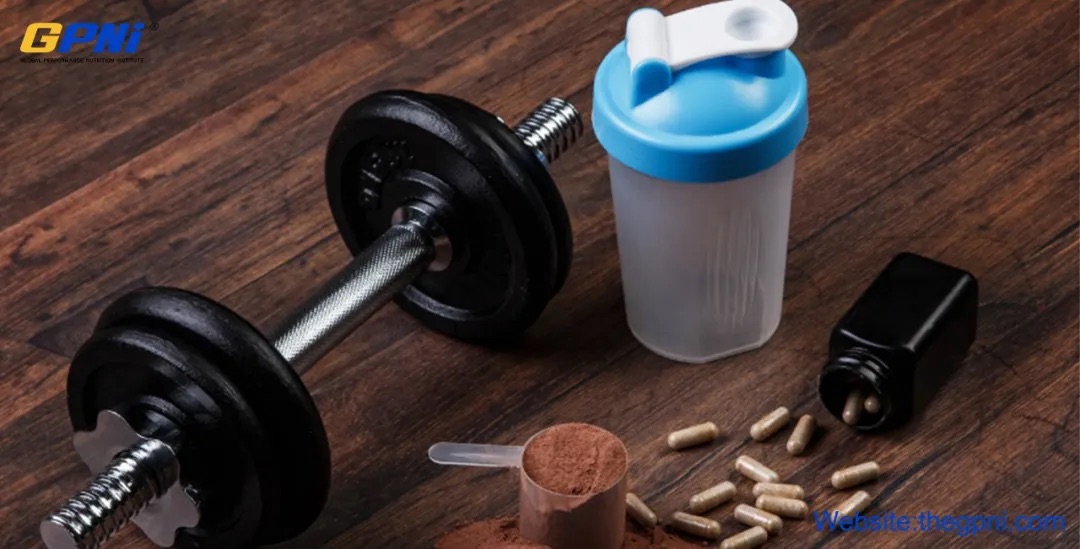
So, the practical recommendations to naturally increase testosterone are.
Testosterone, exercise, and protein intake form a tightly linked triad influencing muscle growth, recovery, and overall metabolic health. Resistance training and adequate protein intake work synergistically to maximize testosterone’s anabolic effects, whereas chronic caloric restriction, low dietary fat intake, or overtraining can impair this relationship. A balanced approach to macronutrient intake, training load, and recovery is essential for optimizing endocrine function and performance.
References
1.Kadi, F. (2008). Aging Male, 11(4), 175–181.
2.Kraemer, W. J., et al. (1990). Journal of Applied Physiology, 69(5), 179–186.
3.Bhasin, S., et al. (1996). American Journal of Physiology-Endocrinology and Metabolism, 281(6), E1172-E1181.
4.Morton, R. W., et al. (2018). British Journal of Sports Medicine, 52(6), 376–384.
5.Hackney, A. C. (2020). Journal of Endocrinological Investigation, 43, 1341–1348.
6.Volek, J. S., et al. (1997). Journal of Applied Physiology, 82(1), 49–54.
7.Wang, Y., et al. (2018). Clinical Endocrinology, 88(5), 743–751.
8.Antonio, J., et al. (2001). Nutrition, 17(5), 397–400.
9.Friedl, K. E., et al. (2000). Journal of Applied Physiology, 88(5), 1820–1830.
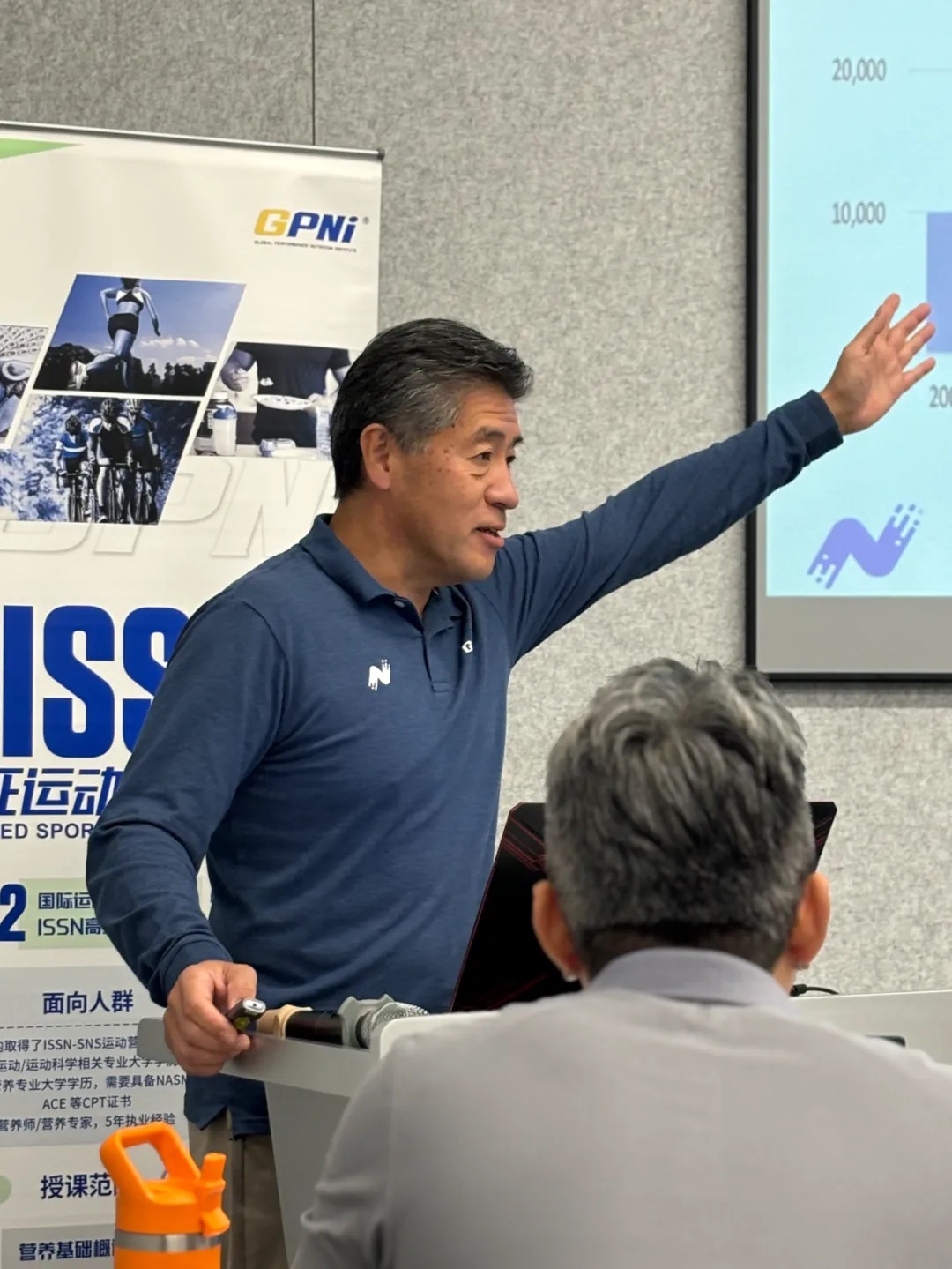
Dr. Seiji is the Chief Scientific Officer of NiHTEK & the owner and partner of GPNi Japan. He brings over 35 years of experience in clinical and sports nutrition, with publications in both the U.S. and Japan. He holds 4 nutrition patents, led the approval of HMB in Japan, and founded Total Nutrition Therapy to train physicians in clinical nutrition.
Latest Articles

GPNi Webinar | The Peptide Boom: What’s Real, What’s Regulated, and What’s Risky
Today, let’s take a closer look at Rick’s upcoming presentation on the science, regulation, and market realities of peptides.

Female Athlete Triad: Why “Eating Less to Perform Better” Can Undermine Health and Performance
Female Athlete Triad is a key concept in female athlete health, linking low energy availability, menstrual disturbance, and low bone mineral density. Learn how evidence-based sports nutrition supports performance, recovery, and long-term health.
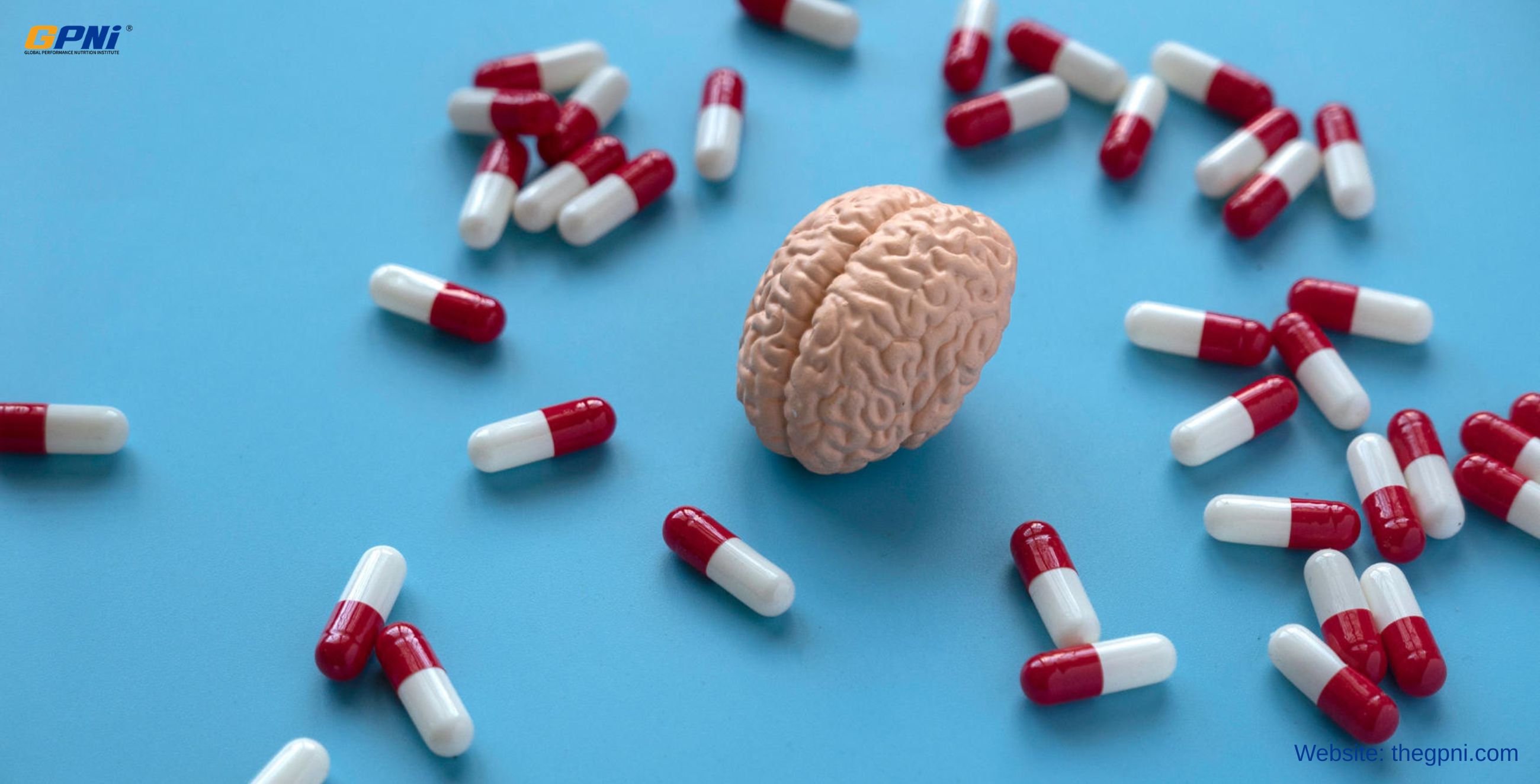
From Esports to Sports Nutrition: Are Nootropics the Next Big Trend in Performance Nutrition?
Nootropics are emerging in sports nutrition, esports, tactical performance, and brain health. Learn how cognitive nutrition may support focus, decision-making, and mental performance.
Official Study Guide: How to Prepare for SNS/CISSN Certification More Efficiently
Prepare for SNS and CISSN certification more efficiently with evidence-based study strategies, practical learning tools, and exam preparation tips.

5 Sport Nutrition “Truths” That Sound Right — But Aren’t Always True
Learn five common sport nutrition myths about protein timing, carbs, BCAAs, creatine, and pre-workout supplements — and how to think more evidence-based.
Subscribe to our newsletter and receive a selection of cool articles every week

Bloating & Diarrhea After Milk? First Figure Out: Intolerance or Allergy?
16 Mar, 2026
Reassessing Yeast Protein as an Alternative Protein Source
06 Mar, 2026
The New U.S. Food Pyramid: A Scientific Comparison with Its Predecessor
09 Feb, 2026
The Importance of Education in Sports Nutrition
21 Jan, 2026
About