Start for as low as $169 down. Enroll today and pay over time.
Start for as low as $169 down. Enroll today and pay over time.

Editorial By Cassie Evans

Every athlete, recreational and elite, is on the perpetual quest of improving. Whether it is increasing strength, a faster pace or building endurance, there is a never-ending list of strategies promising to enhance performance. Of course most of us are familiar with the basics; the importance of nutrition, training programs and recovery. Often overlooked is the importance of sleep. Sleep is needed for the body to repair and help individuals function at their best. Lack of quality sleep can decrease cognitive function, hinder performance and has serious implications for overall health. Chronic sleep deprivations increases blood pressure and increases risk of heart attacks. In terms of performance, lack of sleep is linked to decreases in sprint time, decreased reaction time and increased risk for illness or injury. Comparable to adding performance enhancing supplements to an athlete’s nutritional regimen, supplements are available to improve quality sleep. One such supplement is ZMA.
ZMA, short for zinc magnesium aspartate, is a dietary supplement purported to improve quality of sleep, build muscle and boost recovery. Zinc is a trace mineral most commonly known for its role in immunity. Zinc even plays a role in muscle cell activation, proliferation and differentiation. Magnesium, another mineral, serves as a cofactor for enzymes involved in protein synthesis, muscle and nerve function, blood glucose control, and blood pressure regulation. Magnesium also activates the para-sympathetic nervous system, which helps the body and muscles relax. Regular magnesium supplementation is linked to lower levels of stress and decreased levels of cortisol. Most ZMA supplements contain pyridoxine or vitamin B6. This vitamin plays a major role in metabolic pathways used during exercise such as gluconeogenesis and glycogenolysis.
Only a handful of studies have examined the effects of ZMA in the athletic population. One study reported increases in testosterone and insulin like growth factor (IGF-1) after 7 weeks of ZMA supplementation. However, another study did not observe any increases in testosterone and insulin like growth factor in resistance-trained men. There is research for both zinc and magnesium. One study reported improved time falling asleep and staying asleep after 8 weeks of daily supplementation of 500 mg of magnesium. Another study reported enhanced sleep after 7 weeks of zinc supplementation. Despite supporting evidence for each separate ingredients, the International Society of Sports Nutrition states there is little to no evidence to support efficacy of ZMA supplements.
Is this the right supplement for you? ZMA supplementation could help an individual meet their daily micronutrient needs, especially if they are deficient or their diet is lacking. The research is still mixed in terms of being an effective supplement for athletic performance, recovery, and getting better quality sleep. It might be worth a try if you are having trouble with sleep as the evidence has linked magnesium to improved sleep. Good sleep definitely helps performance. The typical recommended dose for adults is 30mg of zinc and 450mg of magnesium aspartate. For best results, consume 30 minutes prior to bed and get ready to catch some zzzzzs.
Editorial By Cassie Evans (MS, RD, CISSN)


Latest Articles

GPNi Webinar | The Peptide Boom: What’s Real, What’s Regulated, and What’s Risky
Today, let’s take a closer look at Rick’s upcoming presentation on the science, regulation, and market realities of peptides.

Female Athlete Triad: Why “Eating Less to Perform Better” Can Undermine Health and Performance
Female Athlete Triad is a key concept in female athlete health, linking low energy availability, menstrual disturbance, and low bone mineral density. Learn how evidence-based sports nutrition supports performance, recovery, and long-term health.

From Esports to Sports Nutrition: Are Nootropics the Next Big Trend in Performance Nutrition?
Nootropics are emerging in sports nutrition, esports, tactical performance, and brain health. Learn how cognitive nutrition may support focus, decision-making, and mental performance.
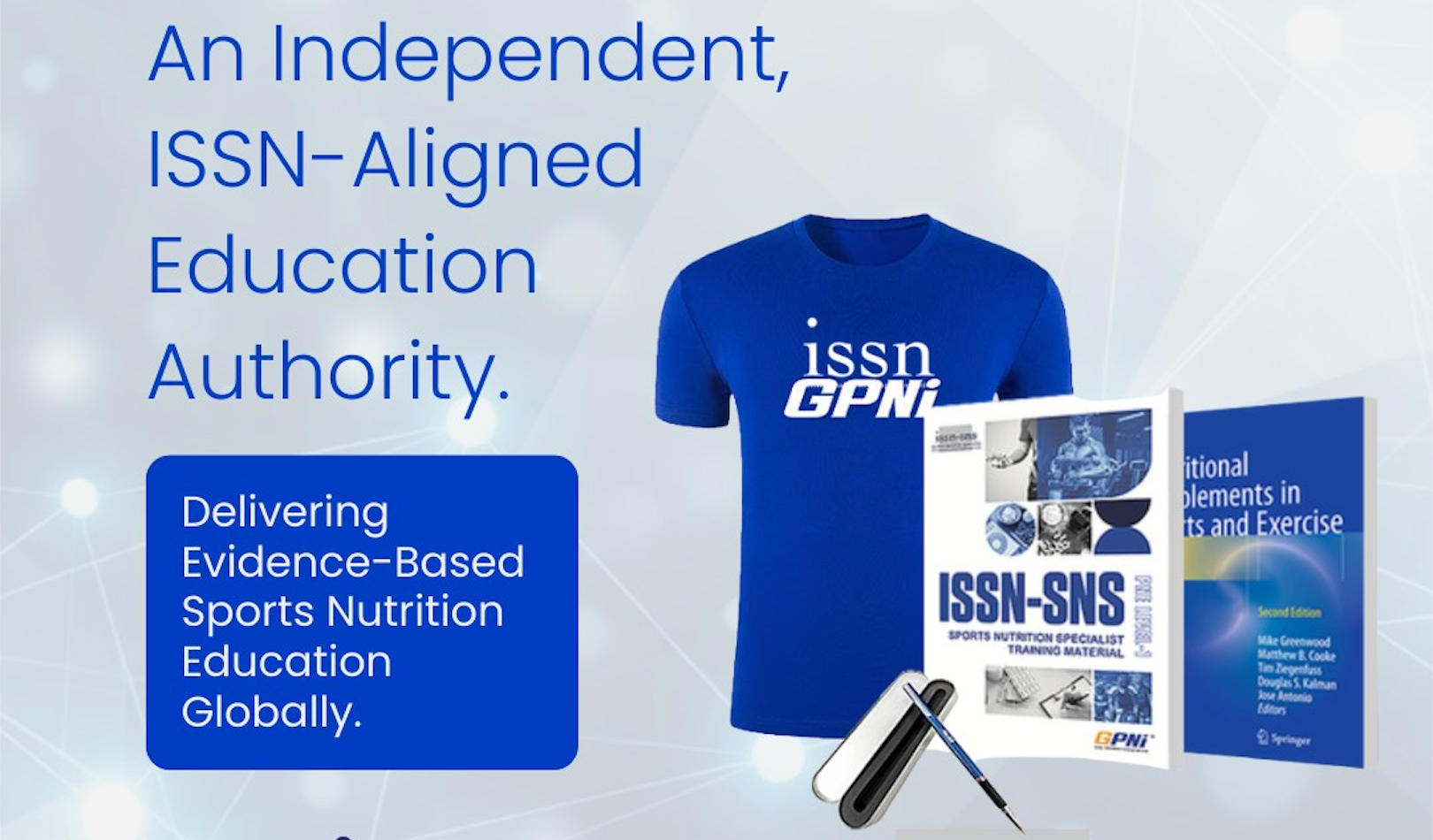
Official Study Guide: How to Prepare for SNS/CISSN Certification More Efficiently
Prepare for SNS and CISSN certification more efficiently with evidence-based study strategies, practical learning tools, and exam preparation tips.

5 Sport Nutrition “Truths” That Sound Right — But Aren’t Always True
Learn five common sport nutrition myths about protein timing, carbs, BCAAs, creatine, and pre-workout supplements — and how to think more evidence-based.
Subscribe to our newsletter and receive a selection of cool articles every week
5 Sport Nutrition “Truths” That Sound Right — But Aren’t Always True
12 May, 2026
5 Sports Nutrition Fundamentals Every Coach Should Master
27 Apr, 2026

Why Should Active People Pay Attention to the Beta-Carotene in Vegetables?
17 Apr, 2026

Think Protein Is the Problem? Vegetarian Athletes May Need to Watch These Nutrients Even More
27 Mar, 2026
About