Start for as low as $169 down. Enroll today and pay over time.
Start for as low as $169 down. Enroll today and pay over time.
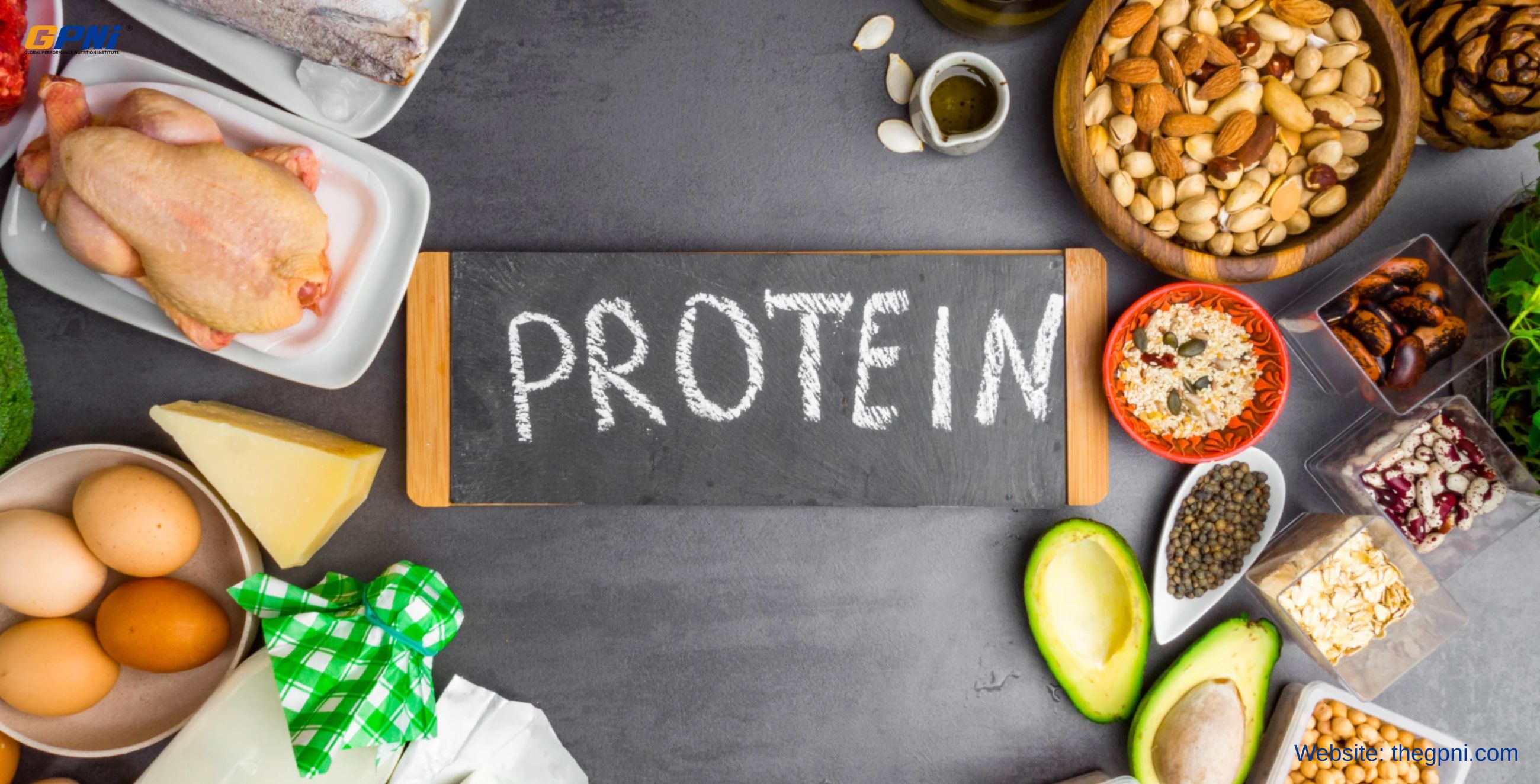
When we look at athletes’ diets, one thing is usually clear: meat is rarely missing. In other words, protein is often not the nutrient they lack. In fact, many athletes consume more protein than they actually need. Part of that is simple—meat is tasty and convenient. But there is also a long-standing belief in sport that eating more protein automatically leads to more muscle growth and better recovery.
That brings up a common question: what happens when an athlete follows a vegetarian diet? Does protein intake become a problem?
There is no single answer that applies to everyone. But for vegetarian athletes, getting enough high-quality protein can absolutely be more challenging.
Vegetarian eating patterns cover a fairly wide range. Some exclude all animal protein, while others still include certain animal foods. Common categories include:
Among these dietary patterns, pescatarians, lacto-ovo vegetarians, and ovo vegetarians can still obtain high-quality protein relatively easily. They are therefore less likely to become protein deficient. Athletes who rely only on plant foods, however, are more likely to run into problems if their diet is not carefully planned.
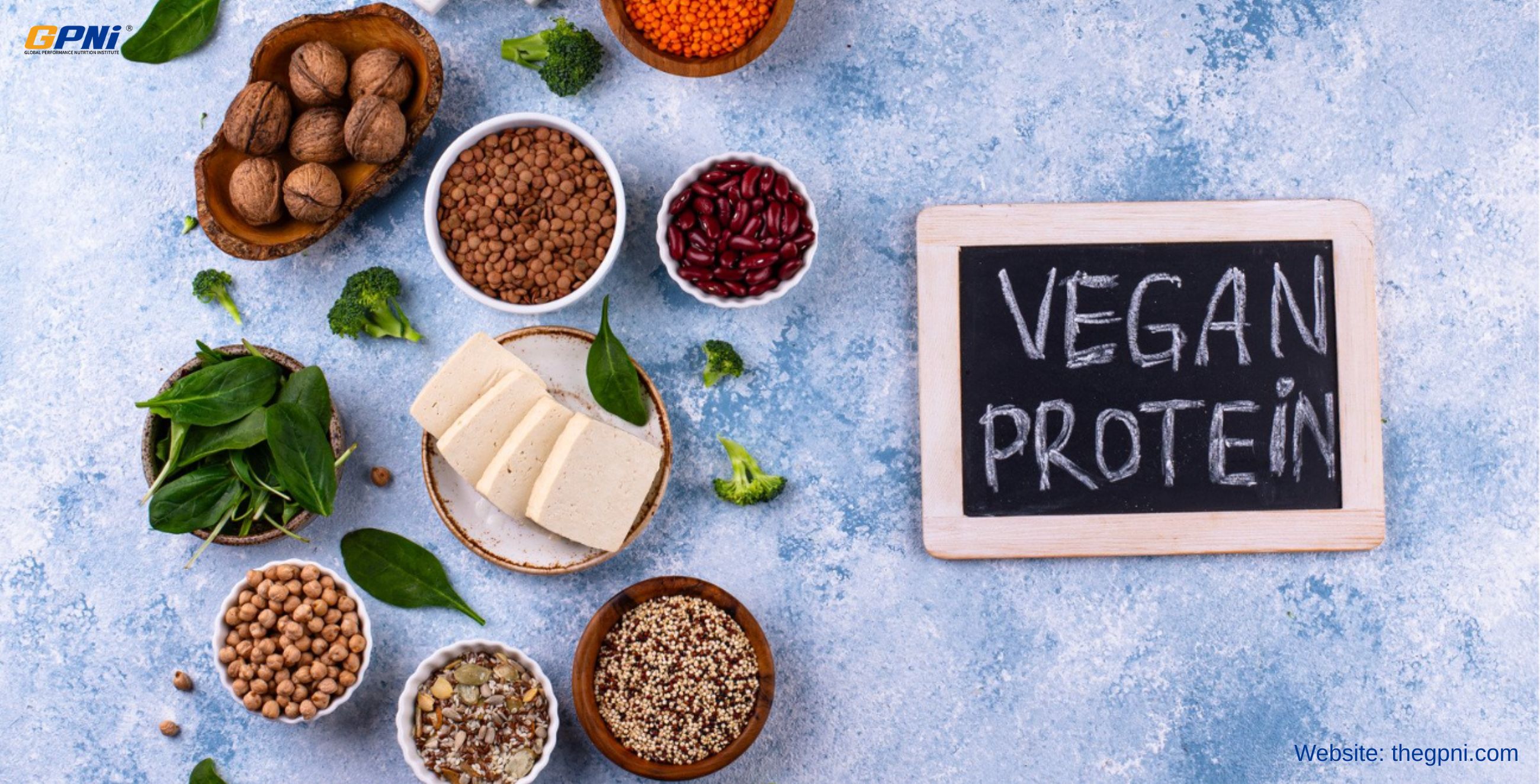
Many plant foods do not provide an ideal balance of essential amino acids on their own. Some are low in certain amino acids, while others are richer in them. For example, grains tend to be relatively low in lysine, whereas legumes contain much more. Put them together, and the overall amino acid profile improves.
That is the basic idea behind amino acid complementation.
In practical terms, eating just one type of plant protein may not give you the most effective amino acid pattern. But combining different plant protein sources can improve overall protein quality. This is also why many traditional food cultures naturally include complementary pairings: grains with legumes, legumes with nuts and seeds, or grains with dairy.
For vegetarian athletes, these combinations are not just a nice extra. They are an important strategy for improving protein utilization and supporting recovery.
If a vegetarian athlete wants to get protein intake right, it helps to think about a few things:
For vegetarian athletes, protein is not the only nutritional concern. Vitamin B12, iron, and zinc also need careful attention. These three nutrients play a major role in recovery, overall health, and sports performance.
Vitamin B12
Reliable natural sources of vitamin B12 are found mainly in animal foods. B12 is involved in red blood cell production, nervous system function, and energy metabolism. That means vegetarian athletes should pay close attention to fortified foods or supplements.
Iron
Iron is closely linked to oxygen transport, endurance capacity, and fatigue management. The problem is that iron from plant foods is generally less bioavailable than iron from animal sources. In practice, pairing plant-based iron sources with foods rich in vitamin C can help improve absorption.
Zinc
Certain compounds in plant-based diets can interfere with zinc absorption. Zinc is involved in protein synthesis, tissue repair, and immune function, which means it deserves just as much attention as protein in a vegetarian athlete’s nutrition plan.
To make a vegetarian diet work well for sport, it is not enough to look at protein quantity alone. Protein quality, amino acid complementarity, and micronutrient support all matter. When these pieces are considered together, a vegetarian diet is far more likely to support both health and athletic performance.
Latest Articles

GPNi Webinar | The Peptide Boom: What’s Real, What’s Regulated, and What’s Risky
Today, let’s take a closer look at Rick’s upcoming presentation on the science, regulation, and market realities of peptides.

Female Athlete Triad: Why “Eating Less to Perform Better” Can Undermine Health and Performance
Female Athlete Triad is a key concept in female athlete health, linking low energy availability, menstrual disturbance, and low bone mineral density. Learn how evidence-based sports nutrition supports performance, recovery, and long-term health.
From Esports to Sports Nutrition: Are Nootropics the Next Big Trend in Performance Nutrition?
Nootropics are emerging in sports nutrition, esports, tactical performance, and brain health. Learn how cognitive nutrition may support focus, decision-making, and mental performance.
Official Study Guide: How to Prepare for SNS/CISSN Certification More Efficiently
Prepare for SNS and CISSN certification more efficiently with evidence-based study strategies, practical learning tools, and exam preparation tips.

5 Sport Nutrition “Truths” That Sound Right — But Aren’t Always True
Learn five common sport nutrition myths about protein timing, carbs, BCAAs, creatine, and pre-workout supplements — and how to think more evidence-based.
Subscribe to our newsletter and receive a selection of cool articles every week
5 Sport Nutrition “Truths” That Sound Right — But Aren’t Always True
12 May, 2026
5 Sports Nutrition Fundamentals Every Coach Should Master
27 Apr, 2026
Why Should Active People Pay Attention to the Beta-Carotene in Vegetables?
17 Apr, 2026

Protect Your Muscle While Cutting: 4 Things That Matter Most
23 Mar, 2026
About