Start for as low as $169 down. Enroll today and pay over time.
Start for as low as $169 down. Enroll today and pay over time.

Editorial By Cassie Evans

In the traditional sense, the word diet refers to what foods a person regularly consumes. Yet the average person uses the word diet to describe a style of eating that promotes weight loss. Keto, Paleo, vegan, intermittent-fasting, the list goes on indefinitely. We all know people who have gone on diets and we all know that one person who can’t wait to tell you about their latest diet craze. The global market for weight loss products exceeds 300 billion dollars. It is not surprising that society is fixated on the latest diet trend.
The topic of diets is so polarized, that an entire movement against them has developed. There are different aspects to diet culture but at the most simplistic level, diet culture is a set of beliefs that idolizes thinness and demonizes any habits or foods that don’t align with being thin. Any diet is bad and anyone who follows them doesn’t truly care about their health. The statistics are out there, 98% of diets fail. Most people regain some if not all of the weight lost after a diet. Diets are restrictive and always lead to issues with negative body image.

So it seems there we are at a bit of an impasse. Diets are either reprehensible or praiseworthy. Acceptable or unacceptable. Alas, if it were only that simple. An individual’s attitudes and beliefs about food choices are highly individualized and personal. Similarly, the choice to follow a diet or not is very personal. Diets are not for everyone and not all diets are bad. So when does a diet become bad? In my professional experience and echoing the sentiments of diet culture, when the intention behind a diet becomes fixated weight loss at a costs (mental and physical health) we’re in trouble. When following the rules of a diet becomes obsessive or interferes with your daily life, it is a sign to stop. It is important to note that this is not everyone’s experience with dieting.
So when are diets appropriate? Once again, depends on the individual and their goal. Weight loss may be appropriate for some individuals. Diets that encourage sustainable changes or focus on other goals besides weight loss can be positive. There are different (not related to restrictive/rigid food rules) reason an individual chooses to follow a diet. These can include an athlete whose sport has specific weight classes, an individual with a medical need to follow a diet or the average individual who wants to get stronger. Most importantly, we should not automatically assume anyone following a diet is a victim of diet culture. Should you follow a diet? That is a choice for you to make. If you are someone that struggles with your relationship with food, a diet approach is not recommended. If you have no idea what a relationship with food means, then a diet may be right for you. Things to keep in mind. Diets that eliminate entire food groups or prescribe dangerously low calorie intakes should be avoided. It may be boring but the best diets are the ones that are sustainable, allow all foods and are balanced.
Editorial By Cassie Evans (MS, RD, CISSN)


Latest Articles

GPNi Webinar | The Peptide Boom: What’s Real, What’s Regulated, and What’s Risky
Today, let’s take a closer look at Rick’s upcoming presentation on the science, regulation, and market realities of peptides.

Female Athlete Triad: Why “Eating Less to Perform Better” Can Undermine Health and Performance
Female Athlete Triad is a key concept in female athlete health, linking low energy availability, menstrual disturbance, and low bone mineral density. Learn how evidence-based sports nutrition supports performance, recovery, and long-term health.

From Esports to Sports Nutrition: Are Nootropics the Next Big Trend in Performance Nutrition?
Nootropics are emerging in sports nutrition, esports, tactical performance, and brain health. Learn how cognitive nutrition may support focus, decision-making, and mental performance.
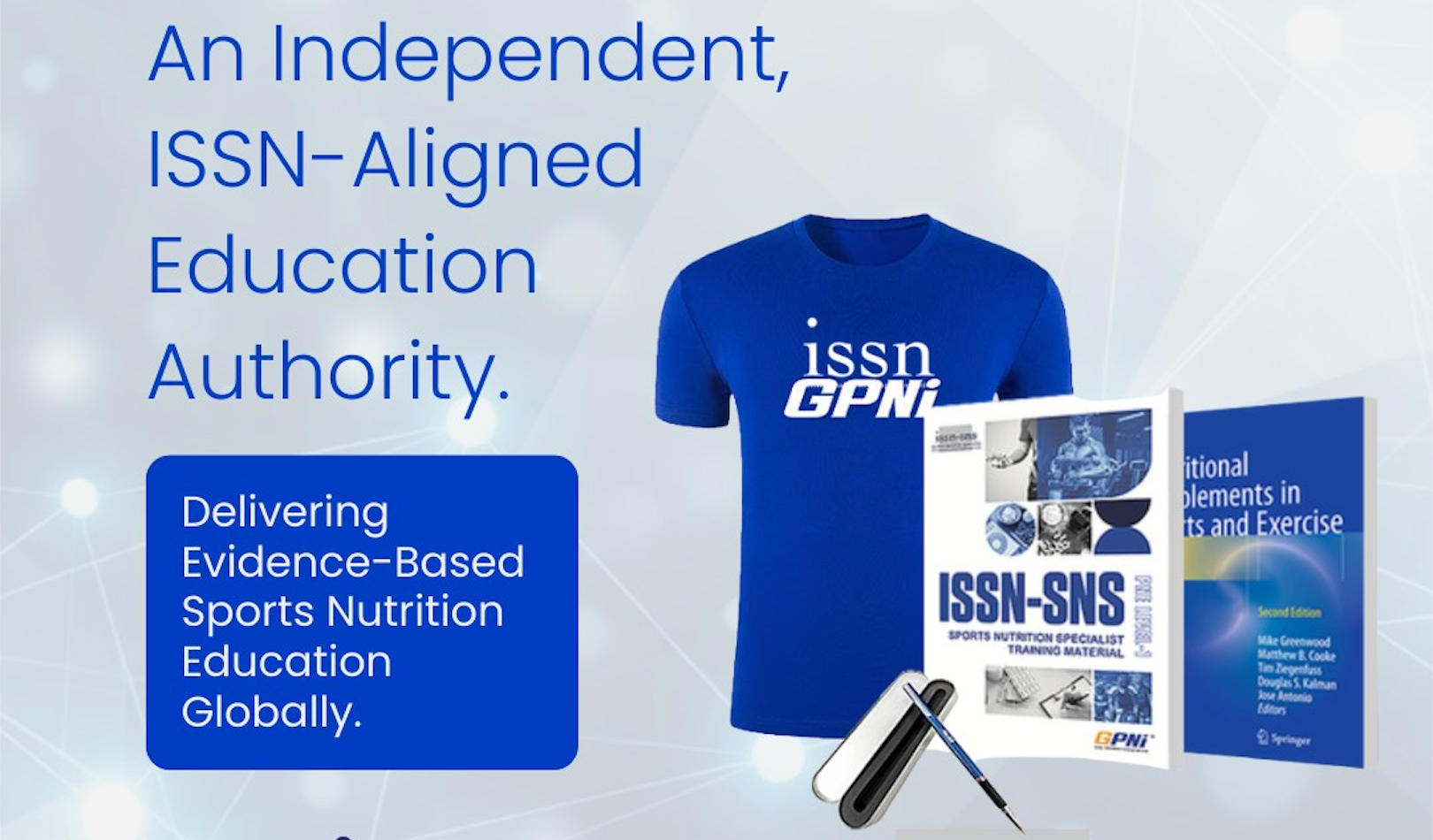
Official Study Guide: How to Prepare for SNS/CISSN Certification More Efficiently
Prepare for SNS and CISSN certification more efficiently with evidence-based study strategies, practical learning tools, and exam preparation tips.

5 Sport Nutrition “Truths” That Sound Right — But Aren’t Always True
Learn five common sport nutrition myths about protein timing, carbs, BCAAs, creatine, and pre-workout supplements — and how to think more evidence-based.
Subscribe to our newsletter and receive a selection of cool articles every week
5 Sport Nutrition “Truths” That Sound Right — But Aren’t Always True
12 May, 2026
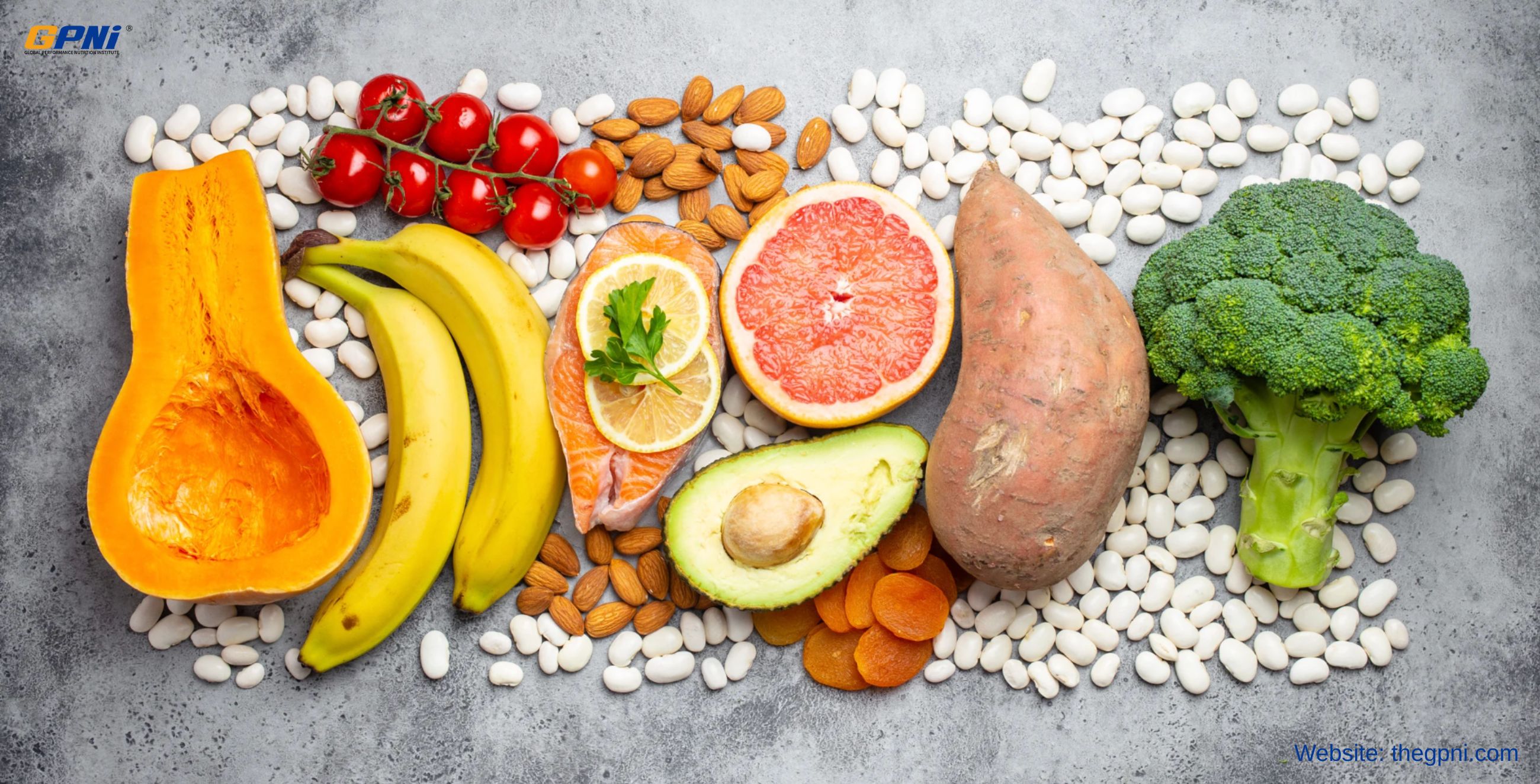
5 Sports Nutrition Fundamentals Every Coach Should Master
27 Apr, 2026

Why Should Active People Pay Attention to the Beta-Carotene in Vegetables?
17 Apr, 2026
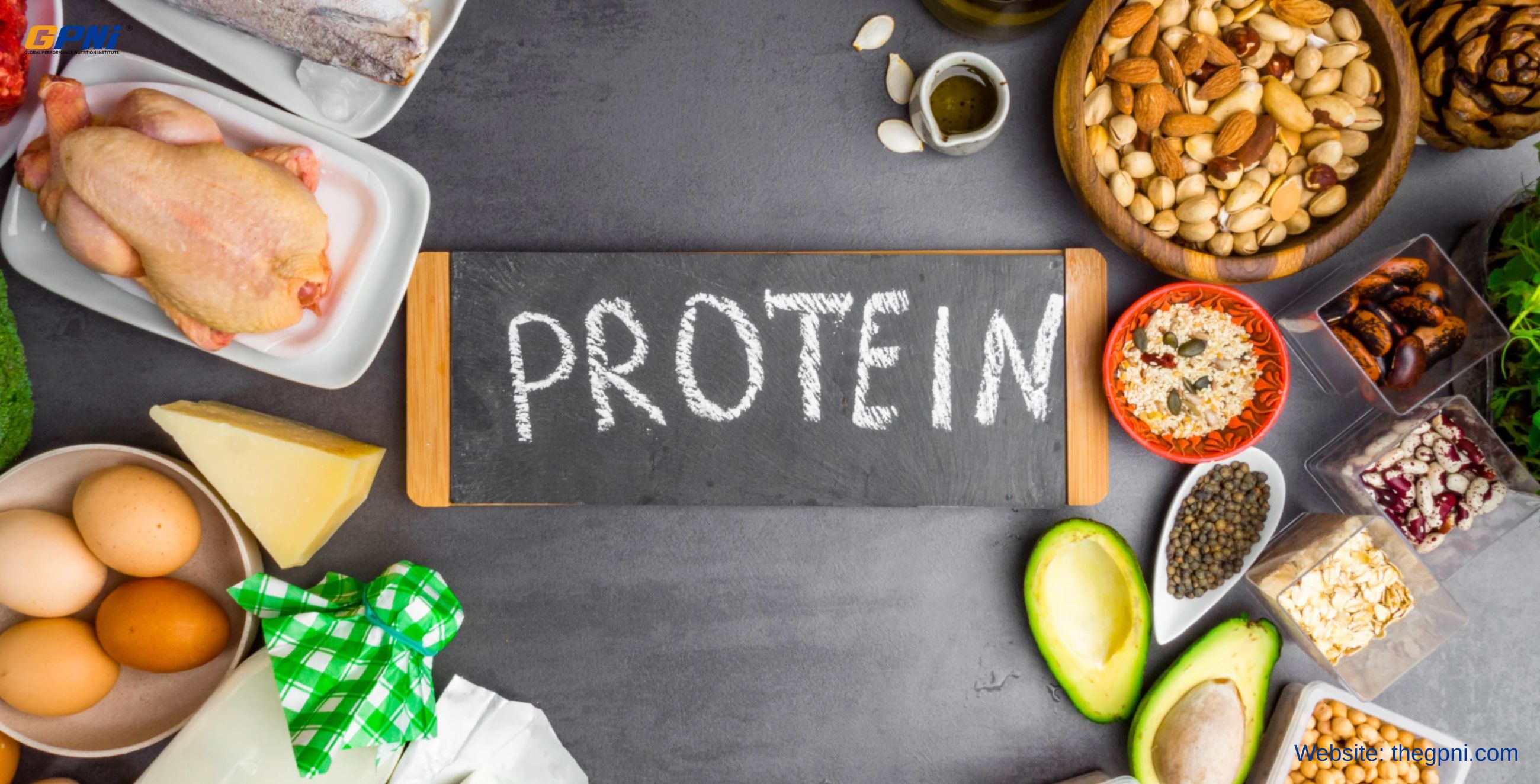
Think Protein Is the Problem? Vegetarian Athletes May Need to Watch These Nutrients Even More
27 Mar, 2026
About