Start for as low as $169 down. Enroll today and pay over time.
Start for as low as $169 down. Enroll today and pay over time.

Editorial By Cassie Evans

Vitamin D is an essential fat-soluble vitamin. What makes vitamin D unique is food is not the only way we can get out daily dose of vitamin D. Our skin can produce vitamin D from sun exposure, hence the nickname the “sunshine vitamin”. Despite an abundance of sunlight, vitamin deficiencies are among the most common micronutrient deficiencies.
Like most micronutrients, vitamin D has many roles in the body. It is commonly known for its role in promoting calcium absorption thus its ability to help build strong bones. But vitamin D is not limited to being calcium’s side kick. This vitamin plays a vital role in our immune system, digestive system, heart and mental health, blood sugar regulation, and fertility.
Vitamin D works with other hormones to promote optimal levels of calcium in the blood. Our blood transports calcium throughout the body for critical functions such as heart and muscle contractions. Vitamin D can reduce immune response and inflammatory markers. Research has found that vitamin D supplementation may reduce inflammatory markers in individuals with immune conditions.
Vitamin D plays a role in our immune health. This vitamin optimizes the function of the immune cells that protect your body against harmful pathogens. Low levels of vitamin D have been associated with an increased incidence of infections. Research shows that having healthy levels of vitamin D can help keep your immune system healthy and may protect against respiratory illnesses.
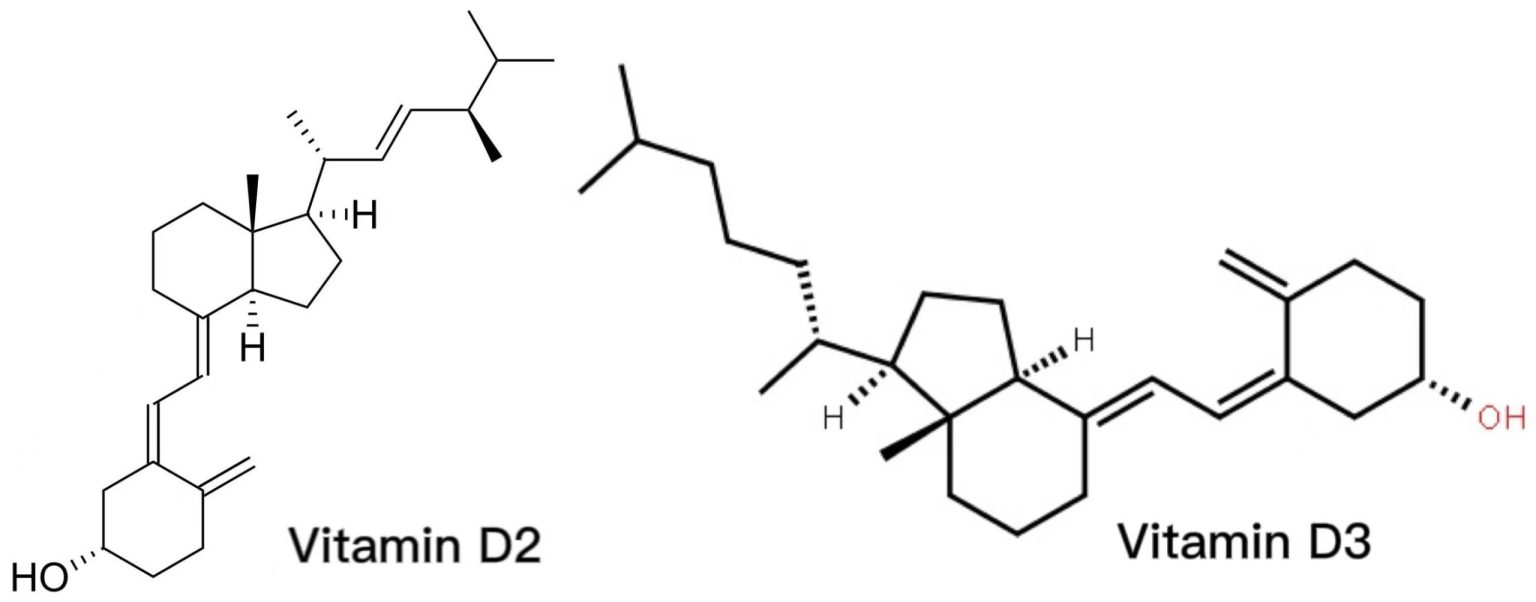
Pictures from the Internet
Many vitamins come in more than one form and vitamin D is no different. Vitamin D comes in two different forms: D2 and D3. The primary differences are related to the chemical structure. Vitamin D2 or ergocalciferol, is typically found in supplements or added to foods such as milk (Milk is rich calcium). Vitamin D3 or cholecalciferol is synthesized by our skin or consumed through foods such as meats, poultry and fish. Vitamin D or caliciferol isn’t active in our bodies. Our bodies must convert it to its active form through a 2-step process. Step 1 occurs in the liver and converts calciferol to calcidiol. Step 2 takes place in the kidneys and convert calcidiol to the active form calcitriol.
Foods that are naturally occurring in vitamin D include fatty fish, like tuna, mackerel, and salmon, beef liver and cheese. Fortified foods, or those with vitamin D added to them include, dairy products, orange juice, soy milk, and cereals. Approximately 15 minutes of unprotected sun exposure can provide you with your daily vitamin D needs. For those struggling to consume enough vitamin D, over the counter supplements are available. Vitamin d supplements in both forms; D2 and D3. The RDA for vitamin D for adults is 600 IU daily for men and women and increases with age. As with most things, just because vitamin D is essential for our body, more does not mean better. Vitamin D is a fat-soluble vitamin and excess intake lead to toxicity. The upper tolerable limit for vitamin D is 4,000 IU. Although toxicity from food and sun is rare and generally occurs from taking supplements.
Editorial By Cassie Evans (MS, RD, CISSN)



Latest Articles

GPNi Webinar | The Peptide Boom: What’s Real, What’s Regulated, and What’s Risky
Today, let’s take a closer look at Rick’s upcoming presentation on the science, regulation, and market realities of peptides.

Female Athlete Triad: Why “Eating Less to Perform Better” Can Undermine Health and Performance
Female Athlete Triad is a key concept in female athlete health, linking low energy availability, menstrual disturbance, and low bone mineral density. Learn how evidence-based sports nutrition supports performance, recovery, and long-term health.
From Esports to Sports Nutrition: Are Nootropics the Next Big Trend in Performance Nutrition?
Nootropics are emerging in sports nutrition, esports, tactical performance, and brain health. Learn how cognitive nutrition may support focus, decision-making, and mental performance.
Official Study Guide: How to Prepare for SNS/CISSN Certification More Efficiently
Prepare for SNS and CISSN certification more efficiently with evidence-based study strategies, practical learning tools, and exam preparation tips.

5 Sport Nutrition “Truths” That Sound Right — But Aren’t Always True
Learn five common sport nutrition myths about protein timing, carbs, BCAAs, creatine, and pre-workout supplements — and how to think more evidence-based.
Subscribe to our newsletter and receive a selection of cool articles every week
5 Sport Nutrition “Truths” That Sound Right — But Aren’t Always True
12 May, 2026
5 Sports Nutrition Fundamentals Every Coach Should Master
27 Apr, 2026

Why Should Active People Pay Attention to the Beta-Carotene in Vegetables?
17 Apr, 2026
Think Protein Is the Problem? Vegetarian Athletes May Need to Watch These Nutrients Even More
27 Mar, 2026
About