Start for as low as $169 down. Enroll today and pay over time.
Start for as low as $169 down. Enroll today and pay over time.
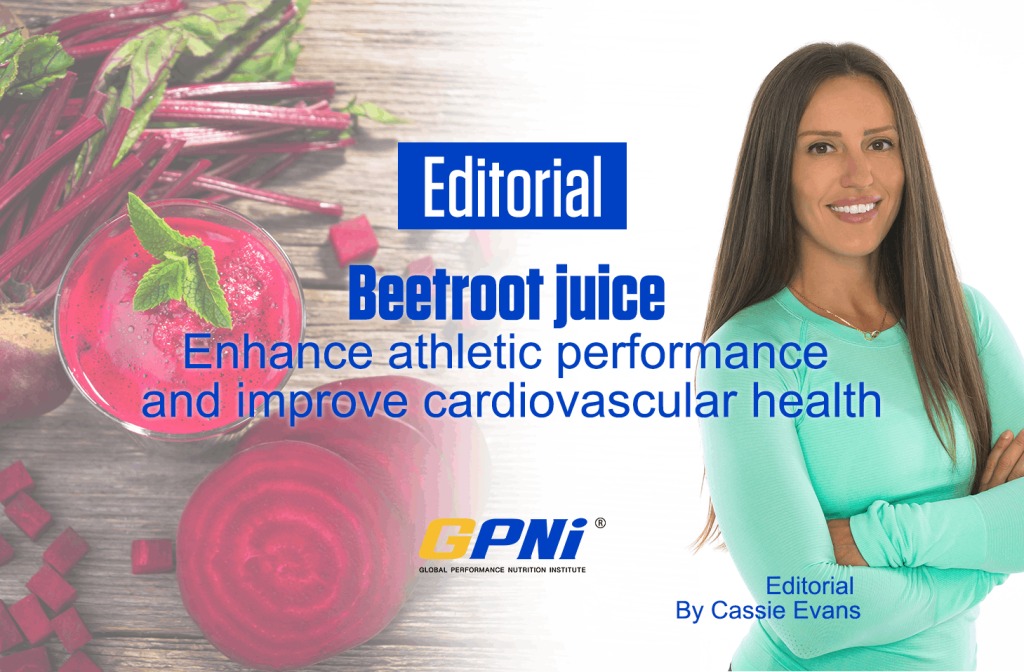
Editorial, By Cassie Evans

Athletes are committed to continually improving their journey. They train hard, eat right, recover and repeat. The drive to excel has led many athletes on the journey to find that perfect supplement which gives them a competitive edge. A surprisingly popular yet unglamorous supplement that has taking the sports nutrition world by storm is beetroot juice. Yup, that earthy tasting, red vegetable that is a great addition to salads or your next juicing adventure can improve exercise performance. Let’s bite into the how and why beets boost performance and how implement this into your daily practice.
Beets are a root vegetable that are packed with nutrients such as folate, manganese, potassium, andiron. Beets are a rich source of potent antioxidants, such as vitamin C, carotenoids, phenolic acids, and flavonoids. Betanin, an antioxidant, is the pigment that gives beet their strong red color. But that’s not what gives this root its performance boosting power! Beets are loaded with nitrates. The body convert nitrates to nitric oxide. Nitric oxide is a vasodilator meaning is relaxes blood vessels allowing more oxygen and nutrients to flow to functioning skeletal muscle. Increasing nitric oxide levels in the body is linked to improvements in lung function and muscle contraction. Specifically, nitrates increase the efficiency of muscle contraction and energy generation by mitochondria leading to a higher work output. Other studies have reported increased efficiency leading to increased time to exhaustion and improved cardiorespiratory performance. Another great benefit of dietary nitrates is their ability to help individuals quickly acclimate to higher altitudes. At high altitudes, lower air pressure decreases our body’s ability to uptake oxygen potentially causing altitude sickness. Studies have found nitrate supplementation can minimize the unpleasant effects of high altitudes. Nitrate rich beets are that extra boost your body needs to get enough oxygen to your tired muscles when you’re exercising at higher altitudes.
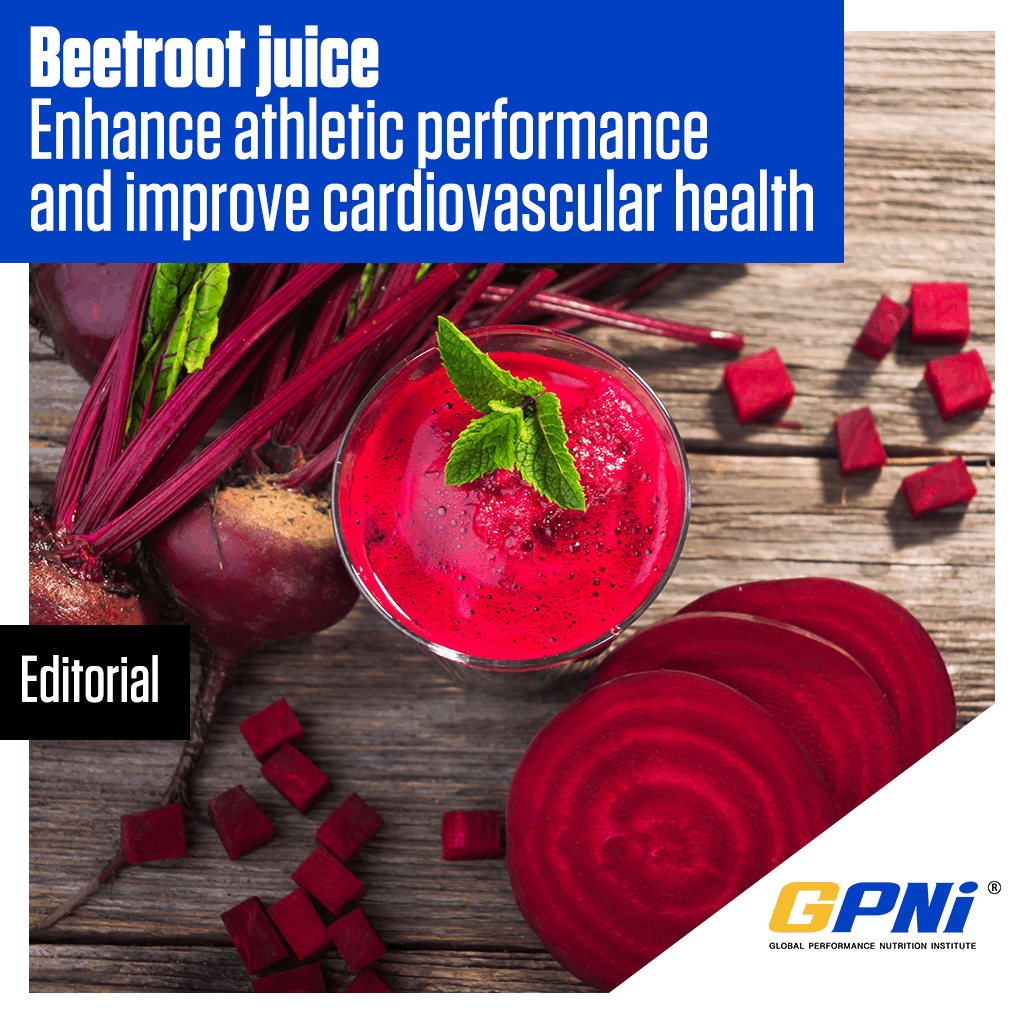
The excitement for beet juice has continued to gain momentum.. There are plenty of beet juices, concentrates, energy bars, powders and even capsules. Typically 2-6 days of supplementation is needed to reap the performance enhancing benefits. The optimal dose is 8.4 mmol of nitrate, however, a daily intake of 5-9 mmol of nitrate will do the job. This can easily be achieved by consuming beets and other nitrate rich vegetables. Some other vegetables high in nitrates include leafy greens like kale, arugula and chard. Cooking can decrease nitrate levels making juicing or consuming raw beets the preferred mode of administration. Plasma nitrite levels peak about 1-2 hours after ingestion so it is best to consume 2-3 hours prior to exercise.
To sum it all up, beets have a high content of inorganic nitrates. The nitrates found in beets are metabolized into nitric oxide by our bodies. Nitric oxide has been shown to enhance athletic performance and improve cardiovascular health. If you can’t get past the earthy (tastes like dirt) taste, try incorporating other nitrate rich vegetables into the diet. Hate vegetables? Check out your local vitamin shop for a beetroot or nitric oxide supplements.


References
Nyakayiru J, Jonvik KL, Trommelen J, et al. Beetroot Juice Supplementation Improves High-Intensity Intermittent Type Exercise Performance in Trained Soccer Players. Nutrients. 2017;9(3):314. Published 2017 Mar 22. doi:10.3390/nu9030314
Woessner M, VanBruggen MD, Pieper CF, et al. Beet the Best?. Circ Res. 2018;123(6):654-659. doi:10.1161/CIRCRESAHA.118.313131
Domínguez R, Maté-Muñoz JL, Cuenca E, et al. Effects of beetroot juice supplementation on intermittent high-intensity exercise efforts. J Int Soc Sports Nutr. 2018;15:2. Published 2018 Jan 5. doi:10.1186/s12970-017-0204-9
Latest Articles

GPNi Webinar | The Peptide Boom: What’s Real, What’s Regulated, and What’s Risky
Today, let’s take a closer look at Rick’s upcoming presentation on the science, regulation, and market realities of peptides.

Female Athlete Triad: Why “Eating Less to Perform Better” Can Undermine Health and Performance
Female Athlete Triad is a key concept in female athlete health, linking low energy availability, menstrual disturbance, and low bone mineral density. Learn how evidence-based sports nutrition supports performance, recovery, and long-term health.

From Esports to Sports Nutrition: Are Nootropics the Next Big Trend in Performance Nutrition?
Nootropics are emerging in sports nutrition, esports, tactical performance, and brain health. Learn how cognitive nutrition may support focus, decision-making, and mental performance.
Official Study Guide: How to Prepare for SNS/CISSN Certification More Efficiently
Prepare for SNS and CISSN certification more efficiently with evidence-based study strategies, practical learning tools, and exam preparation tips.
5 Sport Nutrition “Truths” That Sound Right — But Aren’t Always True
Learn five common sport nutrition myths about protein timing, carbs, BCAAs, creatine, and pre-workout supplements — and how to think more evidence-based.
Subscribe to our newsletter and receive a selection of cool articles every week
5 Sport Nutrition “Truths” That Sound Right — But Aren’t Always True
12 May, 2026
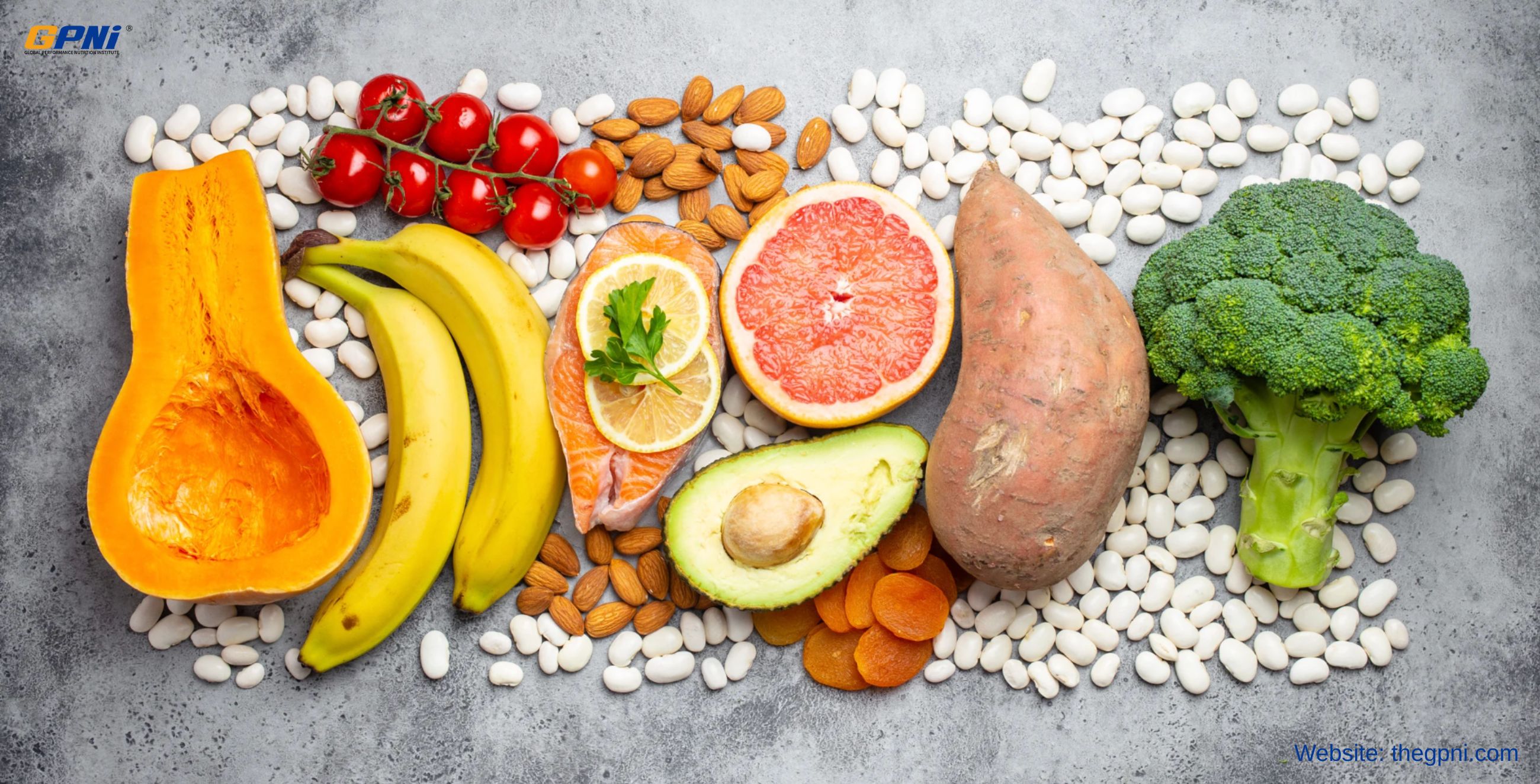
5 Sports Nutrition Fundamentals Every Coach Should Master
27 Apr, 2026
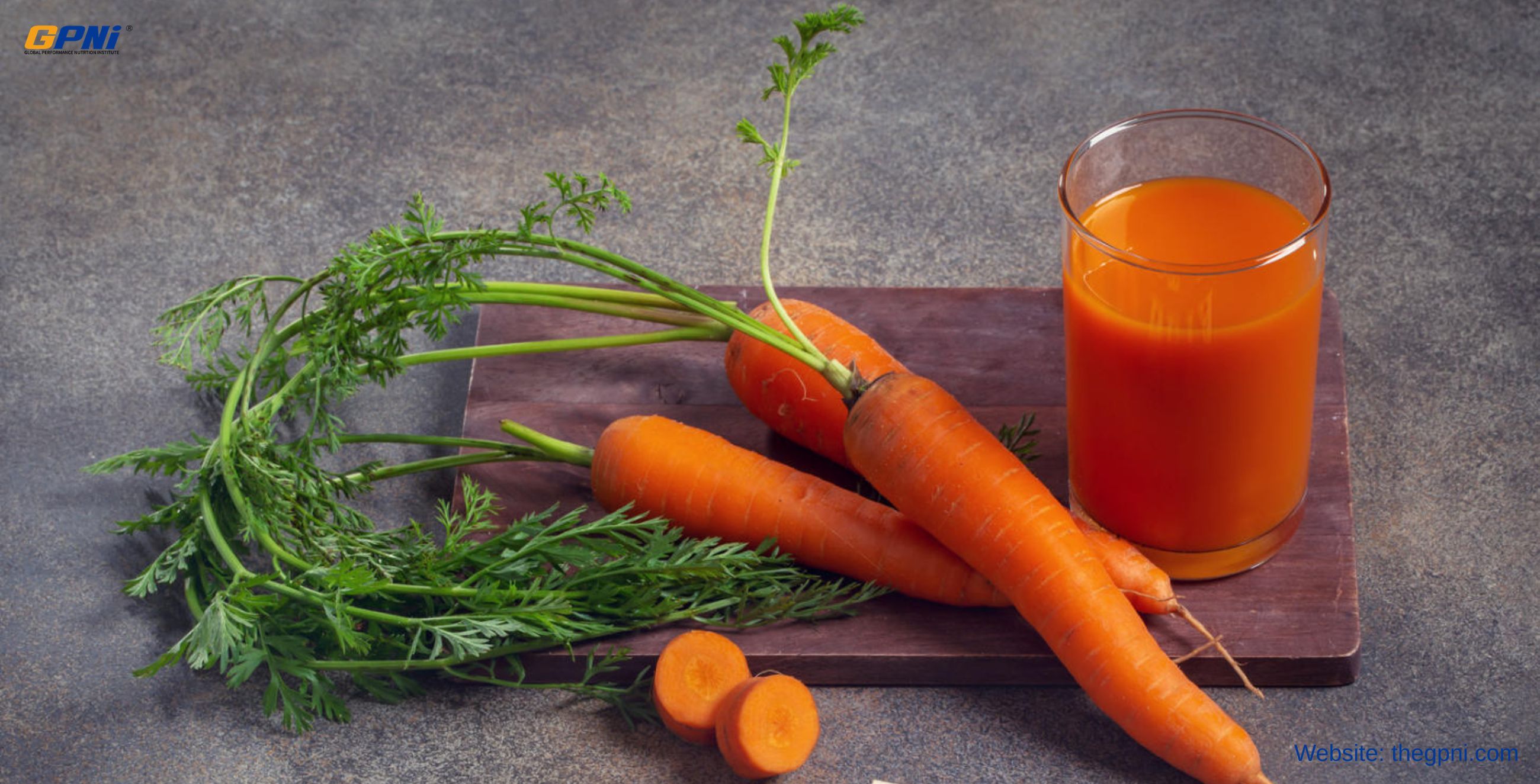
Why Should Active People Pay Attention to the Beta-Carotene in Vegetables?
17 Apr, 2026
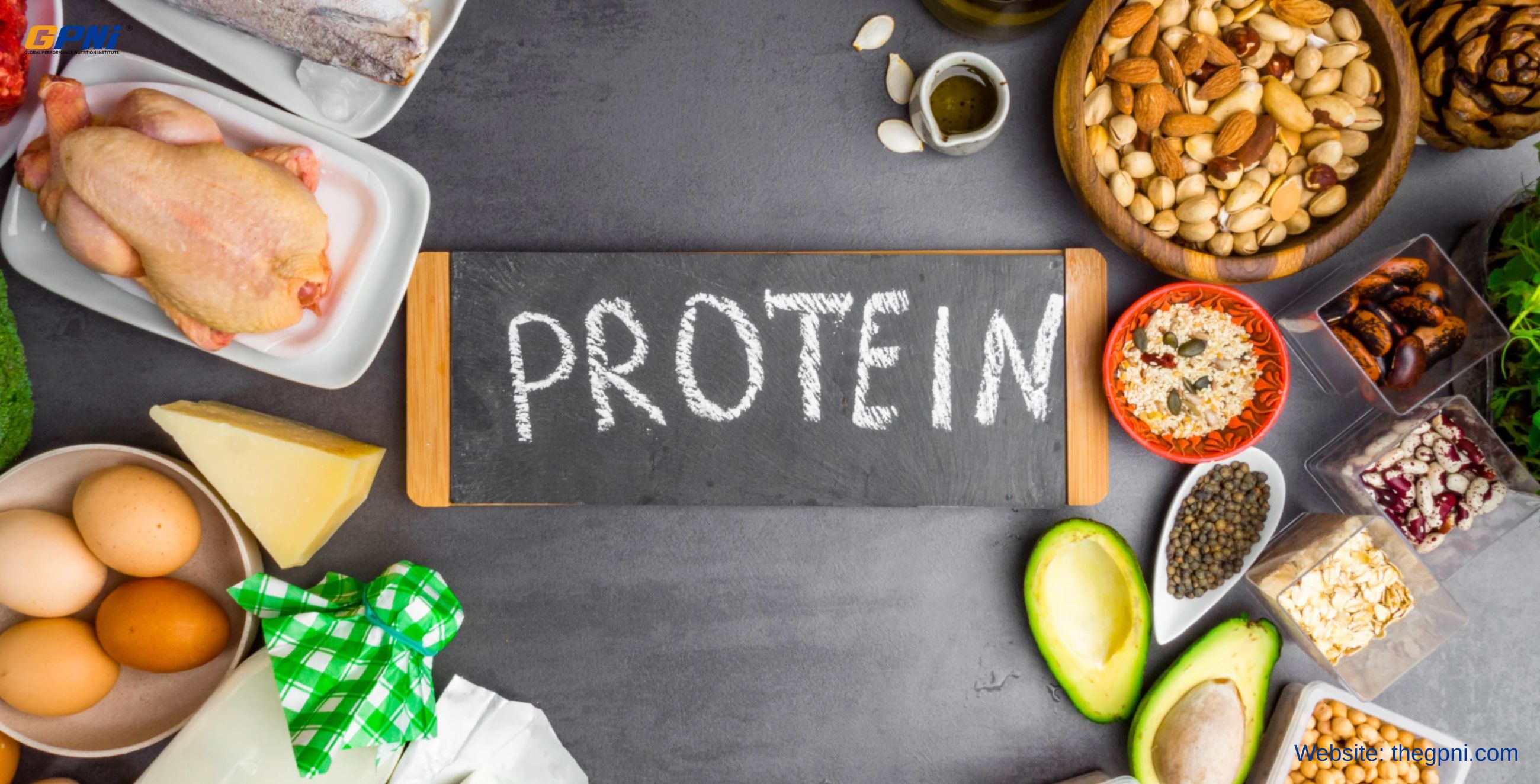
Think Protein Is the Problem? Vegetarian Athletes May Need to Watch These Nutrients Even More
27 Mar, 2026
About