Start for as low as $169 down. Enroll today and pay over time.
Start for as low as $169 down. Enroll today and pay over time.
Editorial By Cassie Evans

There are several methods to asses intake but the 24 hour recall and food logs are my personal go-tos. 24-hour recalls are great for gathering information during an initial session but what if you want a deeper look? This is where food logs come into play. Consistently collecting information on day to day food habits provides reliable information, allows for you to see any trends/patterns and can monitor progress on nutrition-related goals. In addition to getting a better understanding of your client’s eating habits, tracking allows the client to be more involved. They can gain an awareness about their diet and be held accountable between nutrition sessions. Food journals are great for individuals who wish to become more mindful about their eating. It can be extremely helpful in pinpointing food intolerances or sensitives for those experience digestive issues. Of course, athletes with specific performance goals, can use this tool to ensure they are consuming enough food throughout the day. Tracking may not ideal with anyone eating disorder tendencies or an unhealthy relationship with food. It is important to keep in mind that keeping a food log for a short period of time is doable but it is not sustainable long-term. Now that we’ve covered why food journals work and who would benefit the most from them, let’s take a look at the different ways to log intake.
Handwritten food journals are free and accessible to everyone. In my opinion, this mode is archaic and the most annoying of all the ways to keep a food journal. Who really wants to whip out a notebook at each meal? However, some old school individuals may prefer this method. Today, most people have their phones on them at all times which makes food diary apps convenient and easy to use. My personal favorite is MyFitnessPal. Although there is a paid premium version, the free version is great for tracking the basics (energy intake and macronutrients). Other notable apps include: Cronometer and MyPlate. A third, and underutilized option, is a photo food log! This is an easy task compared to written logs and enables the practitioner to see exactly what is being eaten. You can upload the pictures to a shared album or use an phone app such as Bitesnap.
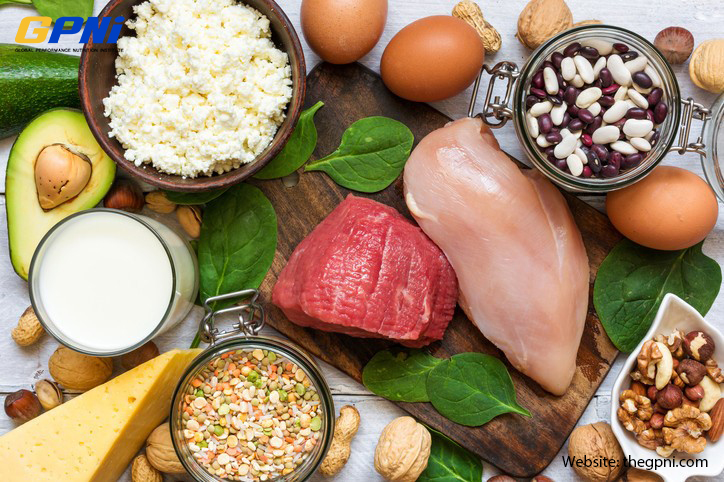
Knowing what type of food log to use and if/when to track can help make the experience pleasant and successful. Here are a few more tips to make the most of logging your food. Don’t forget to log weekends! Eating habits can differ on the weekends
Log as you go. Waiting until the end of the day means relaying on memory and can increase the likelihood of forgetting to log foods. Find yourself forgetting to log? Set reminders, they are a great way to help you log throughout the day. Check your portion sizes! The default portion size in your tacking app may be smaller than what you consumed. Don’t stop tracking just because you exceeded your goals or the day didn’t go as planned. Tracking is not like a school assignment where you will be graded. There were always be some variation in what you consumed and what was tracked. The sooner you drop the idea of being perfect, the less daunting tracking becomes. Remember, this is a tool that can help you reach your fitness and nutrition goals.
Editorial By Cassie Evans (MS, RD, CISSN)


Latest Articles

GPNi Webinar | The Peptide Boom: What’s Real, What’s Regulated, and What’s Risky
Today, let’s take a closer look at Rick’s upcoming presentation on the science, regulation, and market realities of peptides.

Female Athlete Triad: Why “Eating Less to Perform Better” Can Undermine Health and Performance
Female Athlete Triad is a key concept in female athlete health, linking low energy availability, menstrual disturbance, and low bone mineral density. Learn how evidence-based sports nutrition supports performance, recovery, and long-term health.

From Esports to Sports Nutrition: Are Nootropics the Next Big Trend in Performance Nutrition?
Nootropics are emerging in sports nutrition, esports, tactical performance, and brain health. Learn how cognitive nutrition may support focus, decision-making, and mental performance.
Official Study Guide: How to Prepare for SNS/CISSN Certification More Efficiently
Prepare for SNS and CISSN certification more efficiently with evidence-based study strategies, practical learning tools, and exam preparation tips.

5 Sport Nutrition “Truths” That Sound Right — But Aren’t Always True
Learn five common sport nutrition myths about protein timing, carbs, BCAAs, creatine, and pre-workout supplements — and how to think more evidence-based.
Subscribe to our newsletter and receive a selection of cool articles every week
5 Sport Nutrition “Truths” That Sound Right — But Aren’t Always True
12 May, 2026
5 Sports Nutrition Fundamentals Every Coach Should Master
27 Apr, 2026
Why Should Active People Pay Attention to the Beta-Carotene in Vegetables?
17 Apr, 2026
Think Protein Is the Problem? Vegetarian Athletes May Need to Watch These Nutrients Even More
27 Mar, 2026
About