Start for as low as $169 down. Enroll today and pay over time.
Start for as low as $169 down. Enroll today and pay over time.

Editorial, By Cassie Evans


If you are familiar with sports nutrition, exercise, or supplements then you have heard about creatine. This noteworthy supplement has solidified its place in the sports nutrition industry due to its muscle-building and performance-enhancing qualities. Creatine is grabbing the spotlight yet again and this time it’s for more than sports performance. Emerging research has found creatine to be beneficial to several health conditions.
Creatine is a naturally occurring molecule that is found in our muscles. It is found in food sources such as red meat, fish, and eggs. Approximately 95% of the body’s creatine is found in skeletal muscle and the rest is stored in the brain, liver, and kidneys.


In general, approximately 2g of creatine is needed each day to replenish the body’s creatine store. Half of the needs can be met through the body’s ability to produce creatine in the body and the rest obtained through the diet. During exercise, our bodies use adenosine triphosphate or ATP for energy. The availability of creatine in the muscles can influence ATP production and in turn energy production. Creatine is among the best scientifically-backed supplements for growing muscle and increasing strength, making creatine supplements a staple product in the world of bodybuilding.
In recent years, the importance of creatine outside the realm of sports has been explored. Creatine supplementation can be beneficial for aging populations, neuromuscular disorders, brain health, and cardiovascular.


Clinical trials show supplementation with as little as 20g of creatine each day can slow the progression of Parkinson’s disease, improve the lifespan of individuals with Amyotrophic lateral sclerosis (ALS) or Lou Gehrig’s disease, and improve short-term memory. Other studies revealed creatine supplementation enhanced recovery in children and adolescents suffering from traumatic brain injury.
Creatine supplementation is safe and has no adverse side effects. Commonly reported side effects include weight gain or gastrointestinal discomfort; however, these appear to be dose-dependent, with higher doses related to side effects. Recently, the Food and Drug Administration (FDA) granted creatine monohydrate generally recognized as safe (GRAS) status. GRAS allows manufacturers to add creatine monohydrate to food and beverages. The future of creatine monohydrate is bright as research continues and the food industry develops new products. Despite these recent advances, don’t expect to see creatine monohydrate fortified products in the supermarket yet. This supplement is not stable in liquid solutions and is highly sensitive to heat and changes in pH.
Incorporating creatine in the diet can be beneficial for physically active individuals. Moreover, this supplement can support the health of the general population. Want to include creatine in your daily routine? Here are a few simple tips. The recommended dose for creatine supplementation ranges from 0.03-0.8 g/kg/day.


Foods that are high in creatine include herring, beef, lamb, blood sausage, and cod. Incorporating these natural sources into the diet is one way to increase creatine intake. At the higher end of the recommendation, consuming enough food to increase creatine levels can be challenging. This is where supplementation is key. There are a plethora of creatine supplements available on the market. Although other variations are available, creatine monohydrate is one of the most effective forms and is considered the gold standard. Nonetheless, it is important to be a smart consumer. Check to see if the company is reputable and follows good manufacturing practices. Creatine absorption can be enhanced when paired with other foods. Consuming creatine with carbohydrates or protein will increase absorption. In the past, a loading phase was advised for creatine. Today, science shows that 2-3g of creatine each day is enough to produce favorable effects. Creatine is one of the most well-researched and effective supplements. Long-term supplementation is safe for healthy individuals and can help individuals meet their performance goals and support health.
Editorial By Cassie Evans (MS, RD, CISSN)


Avgerinos KI, Spyrou N, Bougioukas KI, Kapogiannis D. Effects of creatine supplementation on cognitive function of healthy individuals: A systematic review of randomized controlled trials. Experimental Gerontology. 2018;108:166-173. doi:10.1016/j.exger.2018.04.013
Ostojic SM. Creatine as a food supplement for the general population. Journal of Functional Foods. 2021;83:104568. doi:10.1016/j.jff.2021.104568
Riesberg LA, Weed SA, McDonald TL, Eckerson JM, Drescher KM. Beyond muscles: The untapped potential of creatine. International Immunopharmacology. 2016;37:31-42. doi:10.1016/j.intimp.2015.12.034
Smith RN, Agharkar AS, Gonzales EB. A review of creatine supplementation in age-related diseases: More than a supplement for athletes. F1000Research. 2014;3:222. doi:10.12688/f1000research.5218.1
Latest Articles

GPNi Webinar | The Peptide Boom: What’s Real, What’s Regulated, and What’s Risky
Today, let’s take a closer look at Rick’s upcoming presentation on the science, regulation, and market realities of peptides.

Female Athlete Triad: Why “Eating Less to Perform Better” Can Undermine Health and Performance
Female Athlete Triad is a key concept in female athlete health, linking low energy availability, menstrual disturbance, and low bone mineral density. Learn how evidence-based sports nutrition supports performance, recovery, and long-term health.

From Esports to Sports Nutrition: Are Nootropics the Next Big Trend in Performance Nutrition?
Nootropics are emerging in sports nutrition, esports, tactical performance, and brain health. Learn how cognitive nutrition may support focus, decision-making, and mental performance.
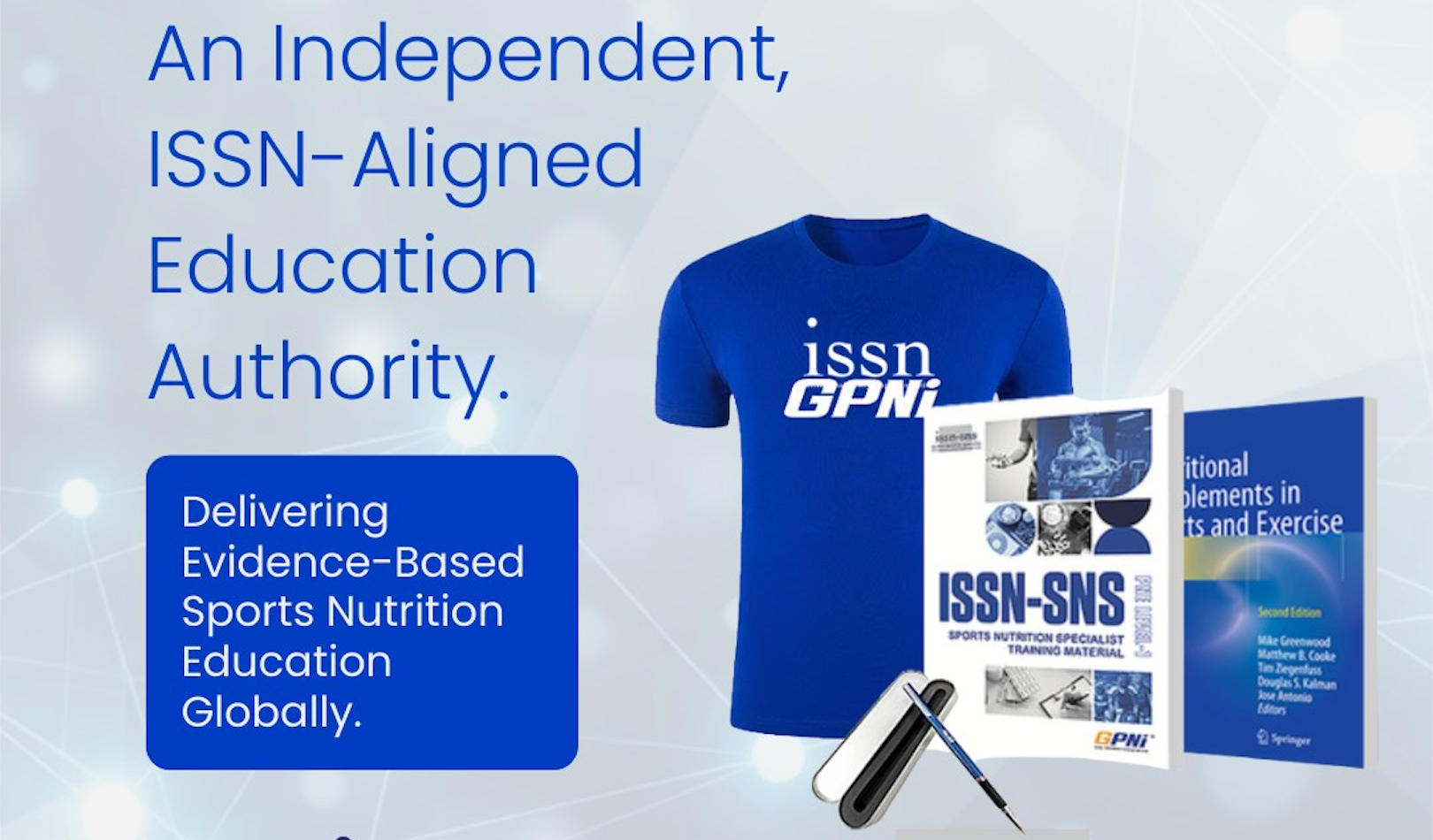
Official Study Guide: How to Prepare for SNS/CISSN Certification More Efficiently
Prepare for SNS and CISSN certification more efficiently with evidence-based study strategies, practical learning tools, and exam preparation tips.

5 Sport Nutrition “Truths” That Sound Right — But Aren’t Always True
Learn five common sport nutrition myths about protein timing, carbs, BCAAs, creatine, and pre-workout supplements — and how to think more evidence-based.
Subscribe to our newsletter and receive a selection of cool articles every week
5 Sport Nutrition “Truths” That Sound Right — But Aren’t Always True
12 May, 2026
5 Sports Nutrition Fundamentals Every Coach Should Master
27 Apr, 2026

Why Should Active People Pay Attention to the Beta-Carotene in Vegetables?
17 Apr, 2026
Think Protein Is the Problem? Vegetarian Athletes May Need to Watch These Nutrients Even More
27 Mar, 2026
About