Start for as low as $169 down. Enroll today and pay over time.
Start for as low as $169 down. Enroll today and pay over time.
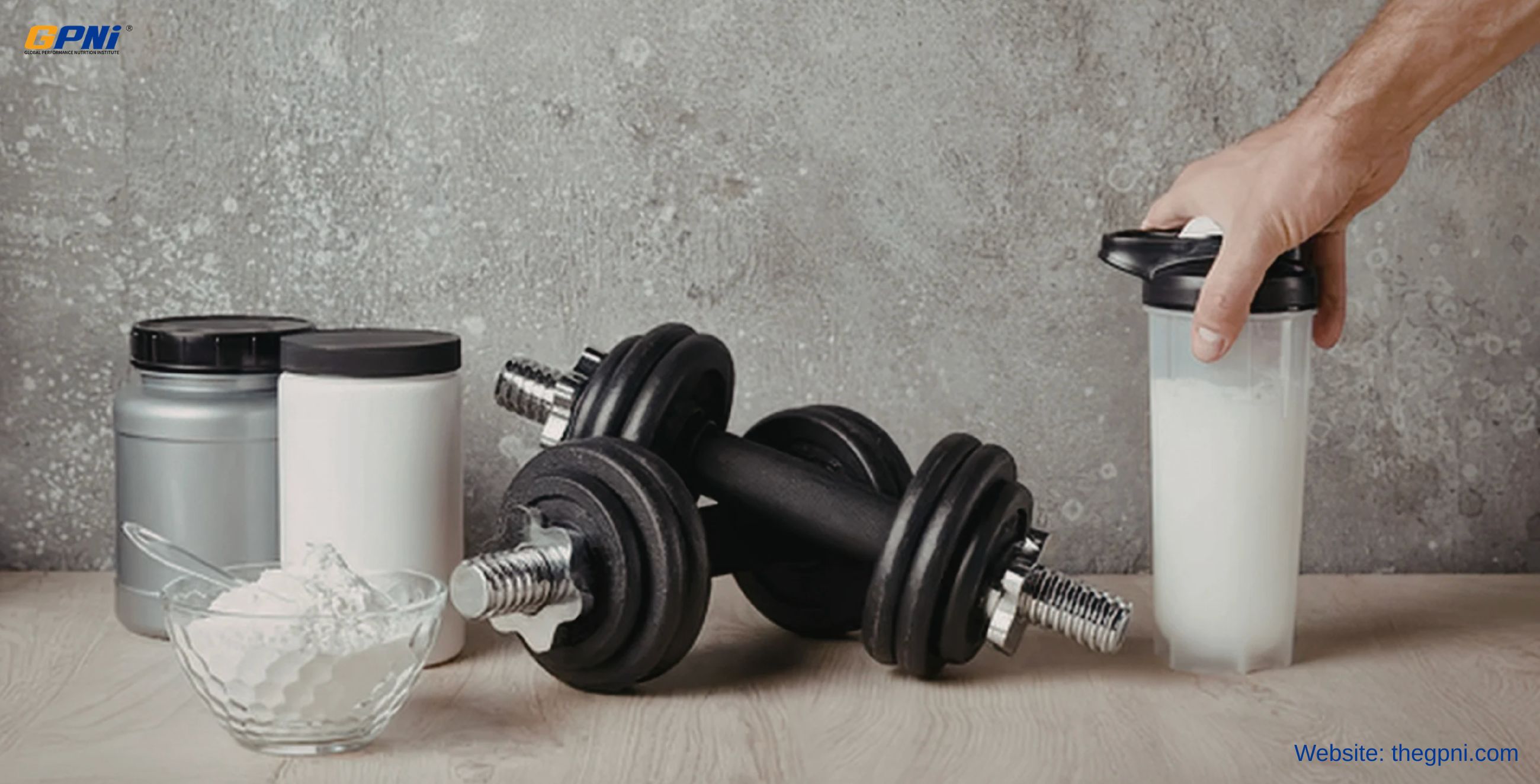
Creatine is famous for boosting strength and power. Now, it's being marketed as a “brain supplement.” But what does the real science say? Does creatine have cognitive benefits, or is it just hype?
The most accurate evidence-based statement is:
A) Creatine massively boosts cognition in everyone
B) Creatine has zero cognitive effects
C) Creatine may offer small, context-dependent cognitive benefits, with stronger signals in certain situations
✅ Answer Reveal
C) Small and context-dependent is the most defensible conclusion.
Creatine and phosphocreatine create an energy buffer system that is rapid that aids cells in maintaining the ATP supply. Within the brain where the demand for energy is constant and measurable in biological terms, this is a significant feature.
Human studies (plus an extensive collection of mechanistic and animal research) suggest the idea that creatine can be involved in:
Cell energy homeostasis
Resilience under stress to the metabolism
Potentially neuroprotective pathways that could be neuroprotective
It's not proof of any clinical benefit however it is the reason why researchers continue to research it.

Yes, but the brain is less "supplement-responsive" than muscle.
Research using magnetic resonance spectrum (MRS) indicate oral creatine may boost the amount of brain creatinine stores, usually by 5-10 percent (sometimes less or in a region-dependent manner) particularly when taking higher doses or longer durations of supplementation.
Why aren't there more increases?
The flow of blood through the blood-brain barrier is very limited and strictly controlled.
Cognition Small Effects More Adaptive Under Stress
Across a variety of systematic reviews, the strongest improvement is seen in conditions with higher energy demands on the brain for example:
Even so, effect sizes tend to be smaller and vary from time to time.
Depression: Possible Add-on, Still in Development
Recent study has included controlled trials and systematic reviews suggesting that creatine can alleviate depression symptoms in certain situations, usually in conjunction with regular treatment. However, the study design and subjects vary, therefore conclusions are not definitive.
Traumatic Head Injury (TBI Concussion) Affirmed by a biological basis with limited clinical evidence
Creatine's function in the cellular energy buffering process is important for TBI pathophysiology. Studies of a small size and the application of protocols in athletes have suggested possible advantages, however large, placebo-controlled randomized studies aren't yet in existence and there aren't generally accepted guidelines for clinical use of creatine's role in TBI treatment.
Multiply Sclerosis (MS) along with other Neurological Disorders: Mixed or Uncertain
Some Studies of MS reveal no significant improvement in specific performance outcomes however the overall, evidence is not consistent. In the case of Alzheimer's disease (AD) there is a lot of interest increasing, however the evidence from humans is still in the early stages and mostly exploratory.

Answer in a short sentence: We don't yet know.
There is evidence that suggests the use of higher doses and more prolonged protocols could be more likely to affect the brain creatinine levels than standard "gym dose," but the optimal protocol to optimize the brain's bioenergetics and function is not clear.
Creatine monohydrate: 3-5 g/day
Additional loading options: 20 grams/day, for 7-10 days before maintenance
It is mostly determined by the muscle's results and general safety information and is not the most the most definitive "brain-optimized" dosage.
1. Children and adolescents
Creatine use is prevalent in youth sports, and some reviews indicate negative events in studies, but the evidence base is less for adults. A careful, well-informed, and evidence-based position usually includes:
The most reliable safety and effectiveness evidence is still in the adult population; youth-specific information is growing, but remains rather limited.
2. Pregnancy
Creatine metabolism is linked to bioenergetics during female reproduction during pregnancy, as well as the development of fetuses. Reviews provide evidence of the plausibility and validity of results, but also highlight significant knowledge in the gaps.
In the simplest form:
This is a highly-risky subject: the decision to supplement during pregnancy must be guided by a physician.
3. Patients with Clinical Disorders
Creatine is being studied in various clinical settings (neurological diseases as well as metabolic health, rehabilitation and many more). The research landscape is dynamic however the results can vary based on conditions, dosage, results and the study's design.
Positive mechanisms and some positive signals
More RCTs of high-quality and more extensive epidemiological research are required to establish the areas creatine is beneficial for who.
Creatine is one of the best-supported supplements to boost strength and high intensity performance. To describe those who study the brain the most accurate way to summarize is:
Q1: Do I need a special “brain creatine” version?
No. Creatine monohydrate is the most studied form.
Q2: Will it help my mood or memory?
Possibly, especially under stress or in certain populations but it’s not a guaranteed cognitive enhancer.
Q3: Is it safe long-term?
In healthy individuals, creatine monohydrate has a strong safety profile in the literature. Clinical populations should discuss with a clinician.
References
Kreider RB, Kalman DS, Antonio J, et al. International Society of Sports Nutrition position stand: Safety and efficacy of creatine supplementation in exercise, sport, and medicine. J Int Soc Sports Nutr. 2017;14:18.
Roschel H, Gualano B, Ostojic SM, Rawson ES. Creatine supplementation and brain health. Nutrients. 2021;13(2):586. doi:10.3390/nu13020586
Fabiano S, Candow DG. Creatine supplementation: More is likely better for brain bioenergetics, health and function. J Psychiatry Brain Sci. 2025;10:e250006. doi:10.20900/jpbs.20250006
Jagim AR, et al. Creatine supplementation in children and adolescents. Nutrients. 2021;13(2):664. doi:10.3390/nu13020664
Muccini AM, et al. Nutrients. 2021;13(2):490. doi:10.3390/nu13020490
Traumatic Brain Injury Center of Excellence (TBICoE). Creatine and traumatic brain injury: Information paper. 2025.
Latest Articles

GPNi Webinar | The Peptide Boom: What’s Real, What’s Regulated, and What’s Risky
Today, let’s take a closer look at Rick’s upcoming presentation on the science, regulation, and market realities of peptides.

Female Athlete Triad: Why “Eating Less to Perform Better” Can Undermine Health and Performance
Female Athlete Triad is a key concept in female athlete health, linking low energy availability, menstrual disturbance, and low bone mineral density. Learn how evidence-based sports nutrition supports performance, recovery, and long-term health.
From Esports to Sports Nutrition: Are Nootropics the Next Big Trend in Performance Nutrition?
Nootropics are emerging in sports nutrition, esports, tactical performance, and brain health. Learn how cognitive nutrition may support focus, decision-making, and mental performance.
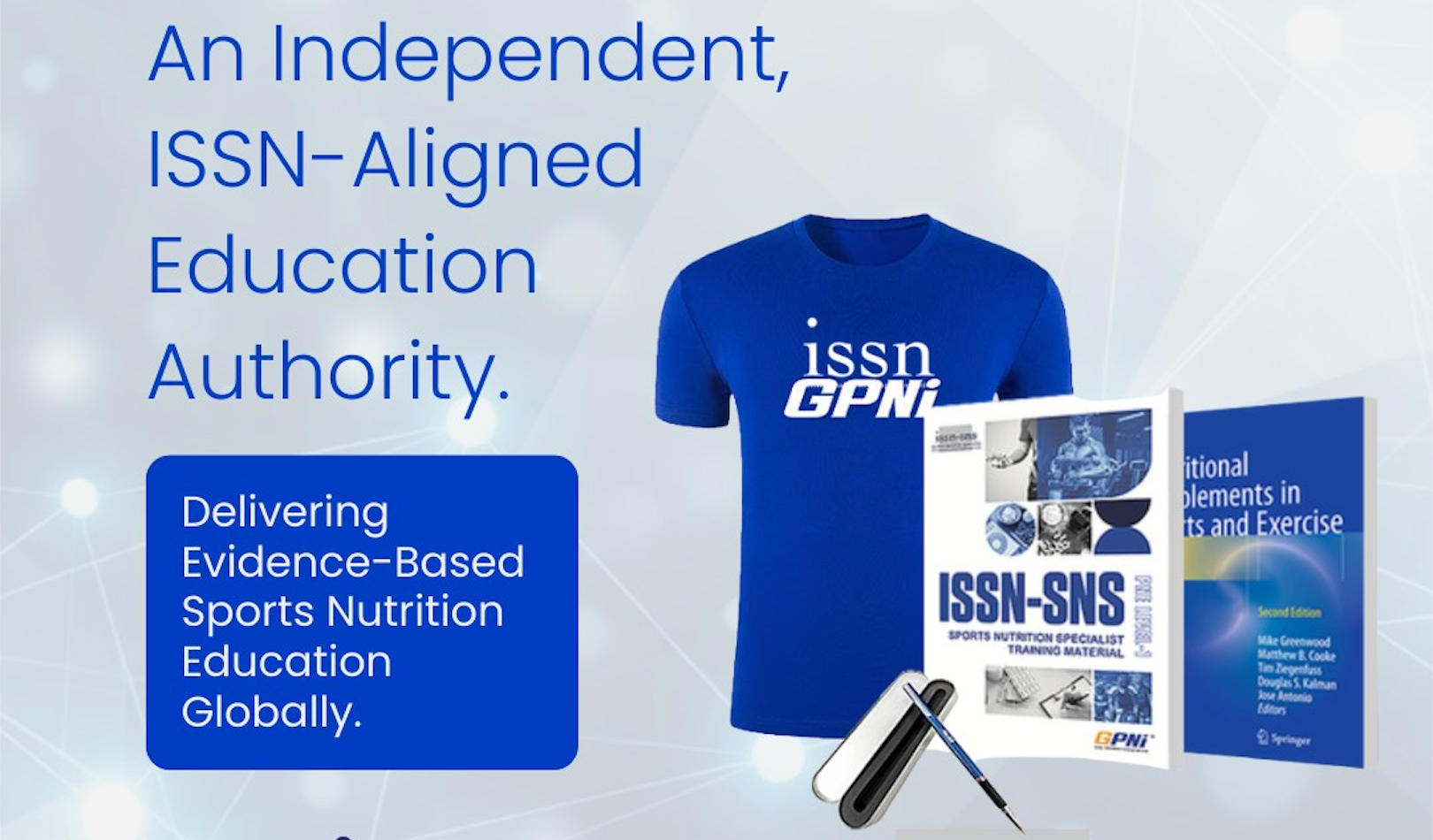
Official Study Guide: How to Prepare for SNS/CISSN Certification More Efficiently
Prepare for SNS and CISSN certification more efficiently with evidence-based study strategies, practical learning tools, and exam preparation tips.

5 Sport Nutrition “Truths” That Sound Right — But Aren’t Always True
Learn five common sport nutrition myths about protein timing, carbs, BCAAs, creatine, and pre-workout supplements — and how to think more evidence-based.
Subscribe to our newsletter and receive a selection of cool articles every week
Female Athlete Triad: Why “Eating Less to Perform Better” Can Undermine Health and Performance
12 May, 2026
Saturated Fat and Trans Fat: Why “Fat Quality” Matters in Performance Nutrition
27 Apr, 2026
Hormone-Sensitive Lipase: The Enzyme That Helps Unlock Stored Fat
17 Apr, 2026
What Does an RER Above 1.0 Mean During Exercise?
30 Mar, 2026
About