Start for as low as $169 down. Enroll today and pay over time.
Start for as low as $169 down. Enroll today and pay over time.
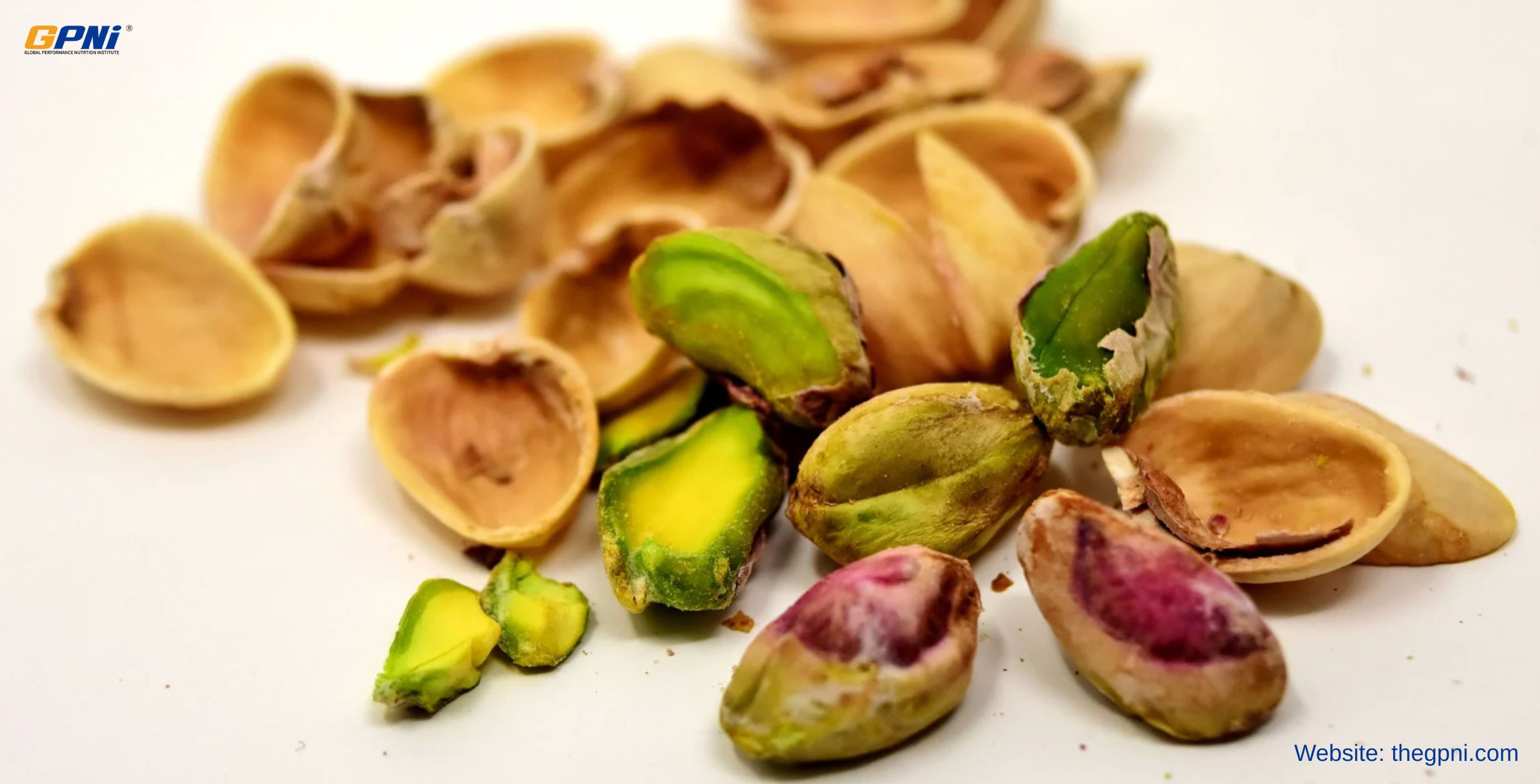
GPNi® is an ISSN partner and shares selected educational highlights from ISSN Conferences. This article is based on the ISSN 2025 talk, “Pistachios and Peak Performance: Unlocking Nutritional Benefits for Athletes,” presented by registered dietitians Catherine Sebastian, MS, RD and Emily Zorn, MS, RD.
If you’re trying to hit high protein targets for training, it can feel like the default answer is “just eat more meat.” But that’s not always realistic (or preferred). The more useful question is: Can you meet your protein needs with a mix of sources without losing performance? This ISSN session highlighted how plant protein options, including pistachios, can play a practical role in an athlete’s plan.
ISSN’s protein position stand suggests protein intake of 1.4-2.0 g/kg/day is sufficient for most exercising people, with higher intakes sometimes used in resistance-trained individuals.
A practical per-meal target is leucine around 700-3000 mg, alongside a balanced essential amino acid (EAA) profile.
Evidence syntheses suggest plant-based diets do not compromise strength/power performance overall, and may support aerobic performance in some contexts.
Pistachios show PDCAAS values reported around ~83-94% (highest for dry-roasted in the cited study), supporting “good source of protein” claims in the US/Canada.

Catherine Sebastian, MS, RD
Communications leader and Registered Dietitian; leads Nutrition Communications at The Wonderful Company; experienced in translating complex science for public and industry audiences.

Emily Zorn, MS, RD
Associate Manager of Nutrition Communications at The Wonderful Company; MS + Dietetic Internship (Ohio State) with a focus in sports nutrition; experience with collegiate and professional athletes; co-host of “RDs vs BS Podcast.”
The ISSN position stand states that 1.4-2.0 g/kg/day is sufficient for most exercising individuals, with emerging evidence for higher intakes (e.g., >3.0 g/kg/day) in some resistance-trained contexts. For meal planning, ISSN also notes that acute doses should strive for ~700-3000 mg leucine alongside a balanced EAA profile.
Why this matters in real life: when appetite is limited (travel, heavy training blocks, diet fatigue), variety and convenience can be the difference between what’s “recommended” and what you can actually execute.
A 2024 systematic review/meta-analysis reported:
For resistance training specifically, a controlled comparison in young men found that a high-protein, exclusively plant-based diet (with supplemental soy) was not different from a protein-matched mixed diet (with supplemental whey) for muscle mass and strength gains over 12 weeks. Another high-protein trial reported comparable daily myofibrillar protein synthesis and hypertrophy outcomes between vegan and omnivorous high-protein diets.
Bottom line: when total protein and quality are managed, plant-forward patterns can support high-level training.
The talk framed pistachios as a convenient tool for athletes highlighting protein quality and leucine content, plus minerals/electrolytes that can matter in training contexts.
An open-access paper in Journal of Food Composition and Analysis evaluated pistachios using established in vivo assays and reported:
PDCAAS values ranging 83-94% (highest for dry-roasted),
PER values not significantly different from casein,
Conclusion: supports “good source of protein” labeling in the US and Canada.
Critical thinking note (important for credibility): PDCAAS/PER testing in this study used rodent bioassays (described by the authors). This is common in protein-quality research, but it’s still worth keeping method limits in mind when interpreting results.
1) Build meals around a “complete protein anchor”
Omnivore example: yogurt + fruit + pistachios
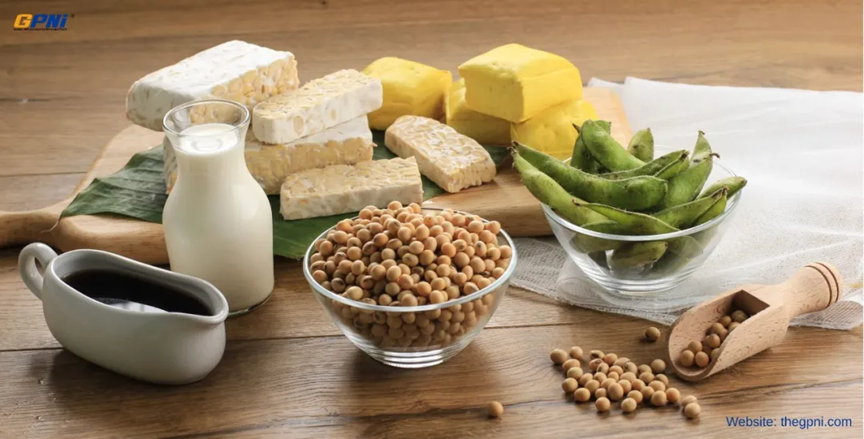
Vegetarian example: soy foods + grains + pistachios
Mixed: whey shake + pistachios as a portable add-on
2) Use pistachios to fight “protein boredom”
High-protein diets can fail because they’re monotonous. Rotating sources improves adherence and micronutrient diversity.
3) Portability wins
Single-serve packs work between sessions, during travel, or when you can’t access a full meal.
Athletes often have high protein needs, but meeting them doesn’t necessarily mean eating large amounts of meat. What matters most is total intake, distribution across the day, and leucine content. From a protein-quality perspective, pistachios can be considered a relatively high-quality plant protein option not just a snack nut and whether it’s pistachios or chicken breast, no single food solves everything. A varied, well-balanced dietary pattern still matters.
If you want to view the complete presentation document, please join the GPNi® membership. The GPNi® website regularly updates the presentation documents of the ISSN Conferences. Becoming a GPNi® member will allow you to access more professional sports nutrition literature.
References
Sá AGA, Franczyk A, Neufeld J, House JD. In vivo protein quality of pistachios (Pistacia vera L.). J Food Compost Anal. 2024. doi:10.1016/j.jfca.2024.106351
Damasceno Y, Leitão C, de Oliveira G, et al. Plant-based diets benefit aerobic performance and do not compromise strength/power performance: A systematic review and meta-analysis. Br J Nutr. 2024;131(5):829-840. doi:10.1017/S0007114523002258
Jäger R, Kerksick CM, Campbell BI, et al. International Society of Sports Nutrition position stand: Protein and exercise. J Int Soc Sports Nutr. 2017;14:20. doi:10.1186/s12970-017-0177-8
International Society of Sports Nutrition (ISSN). ISSN Conference Program 2025: “Pistachios and Peak Performance: Unlocking the Nutritional Edge for Athletes”. 2025.
Disclosure: Educational summary from an ISSN Conference shared via GPNi® as an ISSN partner.
Latest Articles

GPNi Webinar | The Peptide Boom: What’s Real, What’s Regulated, and What’s Risky
Today, let’s take a closer look at Rick’s upcoming presentation on the science, regulation, and market realities of peptides.

Female Athlete Triad: Why “Eating Less to Perform Better” Can Undermine Health and Performance
Female Athlete Triad is a key concept in female athlete health, linking low energy availability, menstrual disturbance, and low bone mineral density. Learn how evidence-based sports nutrition supports performance, recovery, and long-term health.

From Esports to Sports Nutrition: Are Nootropics the Next Big Trend in Performance Nutrition?
Nootropics are emerging in sports nutrition, esports, tactical performance, and brain health. Learn how cognitive nutrition may support focus, decision-making, and mental performance.
Official Study Guide: How to Prepare for SNS/CISSN Certification More Efficiently
Prepare for SNS and CISSN certification more efficiently with evidence-based study strategies, practical learning tools, and exam preparation tips.

5 Sport Nutrition “Truths” That Sound Right — But Aren’t Always True
Learn five common sport nutrition myths about protein timing, carbs, BCAAs, creatine, and pre-workout supplements — and how to think more evidence-based.
Subscribe to our newsletter and receive a selection of cool articles every week
From Esports to Sports Nutrition: Are Nootropics the Next Big Trend in Performance Nutrition?
12 May, 2026

The 4Ps of Competition Nutrition: A GPNi Perspective on Building Performance Before the Start Line
27 Apr, 2026

Preventing Low Energy Availability (LEA) in Adolescent Female Athletes: A Sports Nutrition Perspective
23 Mar, 2026

Nutrition Strategies to Promote Sleep in Elite Athletes: A GPNi® Interpretation
06 Mar, 2026
About