Start for as low as $169 down. Enroll today and pay over time.
Start for as low as $169 down. Enroll today and pay over time.
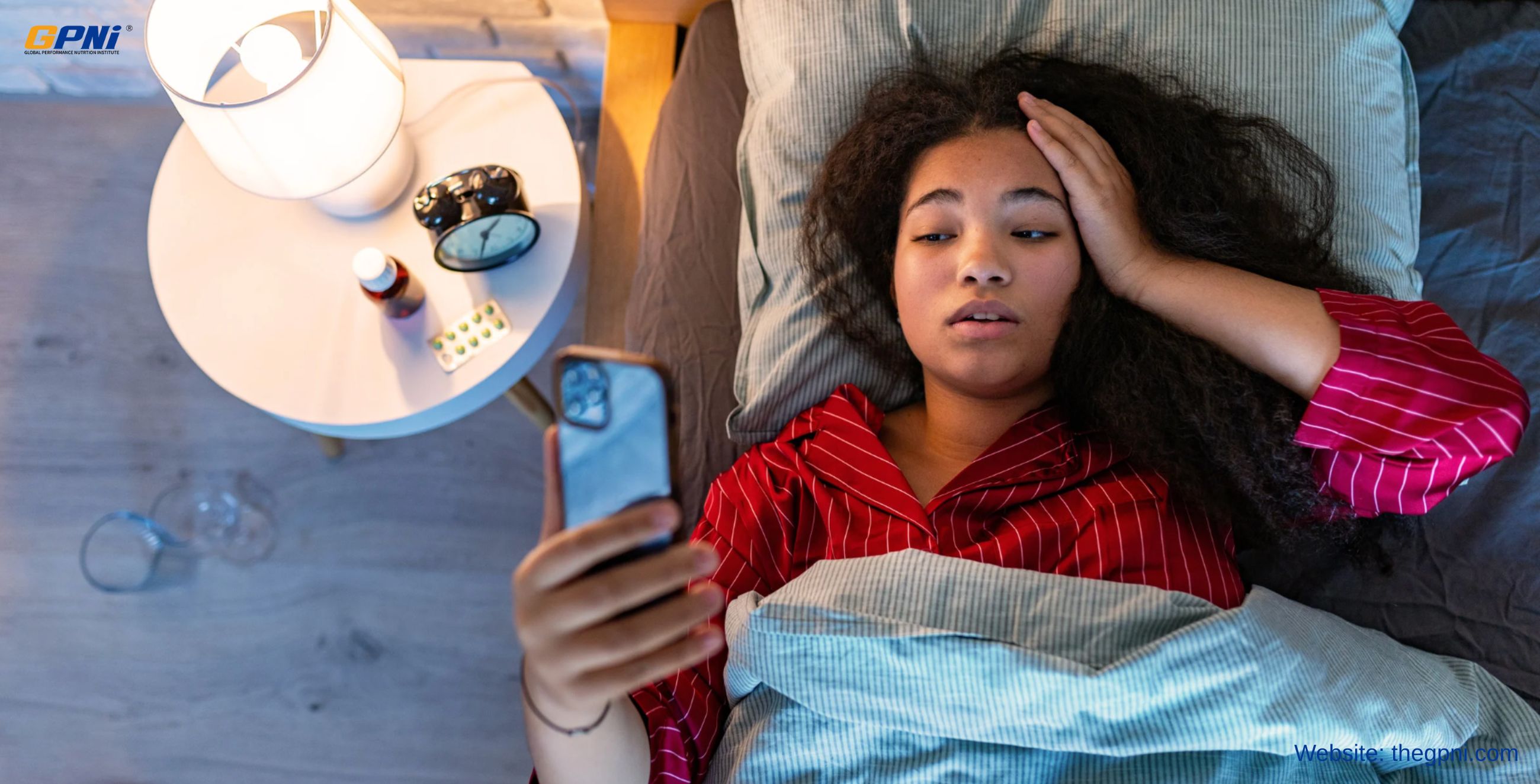
Sleep is a true performance multiplier. But for elite athletes, it’s often the first thing disrupted by travel, late training, competition anxiety, unfamiliar beds, and tight schedules. A 2025 scoping review in Sports (MDPI) looked at nutrition interventions and exposures that may support sleep in elite athletes. The takeaway isn’t “one magic supplement” it’s that a few food-first strategies show promise, but the research base is still small. Here’s what the review suggests, where the evidence is thin, and how GPNi® would apply it in practice.
The review included only 12 studies, with small sample sizes (median around ~19). Confidence is limited.
The highest “potential” options (based on limited data) were kiwifruit, tart cherry juice, and higher dairy intake (a female-only association).
Protein-based approaches (whey/tryptophan, casein) showed mixed or null effects, possibly because many athletes already eat high protein (a “ceiling effect”).
Most major sleep guidance supports 7+ hours/night for adults as a baseline for health.
GPNi® view: nutrition can help, but the first priority is still energy availability + realistic, schedule-friendly sleep habits.

The headline conclusion was simple:
Kiwifruit, tart cherry juice, and dairy showed the highest potential to support sleep outcomes in elite athletes but the evidence is limited by small samples and study design constraints. The review also noted that carbohydrate timing, casein, tryptophan, probiotics, and meeting overall energy demands showed variable outcomes and that protein interventions may not help if protein intake is already very high.
A) Kiwifruit (food-first)
One included study reported better sleep outcomes when athletes consumed 2 kiwifruit about 1 hour before bed for 4 weeks, including improvements in sleep quality measures and total sleep time.
GPNi® application: -
A low-risk, food-first trial for athletes with mild sleep issues especially if they tolerate fruit well.
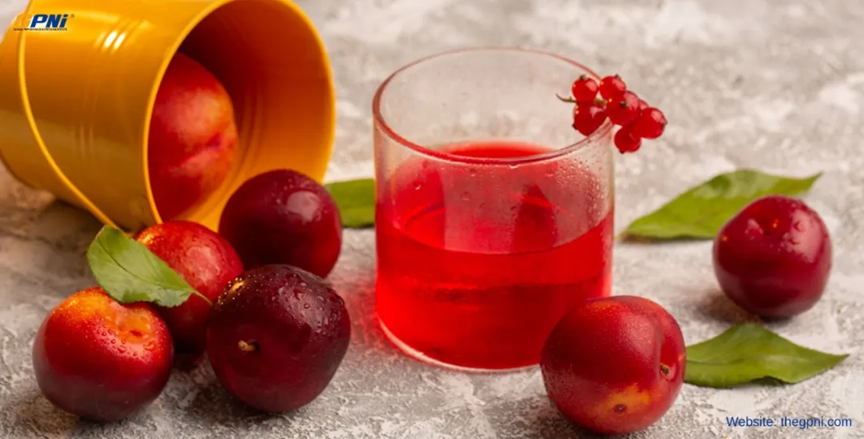
B) Tart cherry juice (short protocol)
One study in elite female field hockey players reported improved sleep-related measures (such as time in bed and wake after sleep onset) during a short tart cherry protocol.
GPNi® application: -
Best used as a short-term tool during travel, camps, or competition blocks especially when sleep fragmentation is the main issue.
C) Dairy intake (association, not proof)
The review reported that more frequent milk intake was associated with better subjective sleep quality in women, with no clear association in men.
GPNi® application: -
If tolerated, dairy can be part of an evening routine but treat this as a “maybe,” not a guaranteed solution (association ≠ causation).
The review describes cases where athletes already consumed very high protein (~2.4–2.6 g/kg/day), and a whey protein rich in tryptophan did not meaningfully improve sleep vs placebo. Casein interventions also showed null or mixed results in heavy training conditions.
Practical interpretation:
If sleep is poor, the limiting factor often isn’t protein especially when: -
total protein is already high
overall energy availability is inconsistent
arousal drivers (stress, late training, late screens, late caffeine) are the real issue
The review cites major recommendations that adults generally need ≥7 hours/night for health. From a performance perspective, under-sleeping and under-fuelling often show up together especially during heavy training blocks.
GPNi® priority order
Meet energy demands consistently (energy availability first)
Protect a realistic sleep window
Then layer in nutrition strategies (kiwi, tart cherry, consistent evening routine)

Step 1 - Identify the main sleep problem
Trouble falling asleep (sleep onset latency)
Waking frequently (WASO)
Total sleep time too short
Sleep quality poor despite enough time in bed
Step 2 - Track a 14-night baseline
Track the basics (simple, not obsessive):
bedtime / wake time
training end time
caffeine timing
late-night hunger (often a sign of under-fuelling)
Note: Reviews consistently show caffeine can impair sleep, especially when taken later in the day.
Step 3 - Add one nutrition lever for 14 nights
Pick one based on what’s most realistic:
2 kiwifruit ~60 minutes pre-bed
tart cherry juice during travel/camps/competition blocks
consistent evening dairy if tolerated (especially if the athlete prefers it)
Step 4 - Reassess before adding anything else
If improvement is small, don’t stack five “sleep hacks.” Re-check:
total energy intake
late-day caffeine timing
late screens / stress / scheduling
Q1: Is there strong evidence that one supplement “fixes” sleep in elite athletes?
No. Only 12 studies were included and most were small so even the best options are still “promising,” not definitive.
Q2: What’s the lowest-risk thing to try first?
Food-first options like kiwifruit are generally low-risk (unless allergy/GI issues), and the routine is simple.
Q3: If an athlete already eats very high protein, should they add more casein for sleep?
Not automatically. The review suggests a possible ceiling effect in high-protein athletes and reports null findings in some protocols.
References
Smith J, et al. Nutrition strategies to promote sleep in elite athletes: A scoping review. Sports. 2025;13(10):342. doi:10.3390/sports13100342
Watson NF, Badr MS, Belenky G, et al. Recommended amount of sleep for a healthy adult: A joint consensus statement of the American Academy of Sleep Medicine and Sleep Research Society. J Clin Sleep Med. 2015;11(6):591-592.
Chung J, Choi M, Lee K. Effects of short-term intake of Montmorency tart cherry juice on sleep quality after intermittent exercise in elite female field hockey players: A randomized controlled trial. Int J Environ Res Public Health. 2022;19(16):10272. doi:10.3390/ijerph191610272
International Society of Sports Nutrition (ISSN). ISSN Conference Program 2025: Session “Nutraceuticals for Sleep and Relaxation (Tony Tiong, PhD)”. 2025.
Latest Articles

GPNi Webinar | The Peptide Boom: What’s Real, What’s Regulated, and What’s Risky
Today, let’s take a closer look at Rick’s upcoming presentation on the science, regulation, and market realities of peptides.

Female Athlete Triad: Why “Eating Less to Perform Better” Can Undermine Health and Performance
Female Athlete Triad is a key concept in female athlete health, linking low energy availability, menstrual disturbance, and low bone mineral density. Learn how evidence-based sports nutrition supports performance, recovery, and long-term health.

From Esports to Sports Nutrition: Are Nootropics the Next Big Trend in Performance Nutrition?
Nootropics are emerging in sports nutrition, esports, tactical performance, and brain health. Learn how cognitive nutrition may support focus, decision-making, and mental performance.
Official Study Guide: How to Prepare for SNS/CISSN Certification More Efficiently
Prepare for SNS and CISSN certification more efficiently with evidence-based study strategies, practical learning tools, and exam preparation tips.

5 Sport Nutrition “Truths” That Sound Right — But Aren’t Always True
Learn five common sport nutrition myths about protein timing, carbs, BCAAs, creatine, and pre-workout supplements — and how to think more evidence-based.
Subscribe to our newsletter and receive a selection of cool articles every week
From Esports to Sports Nutrition: Are Nootropics the Next Big Trend in Performance Nutrition?
12 May, 2026
The 4Ps of Competition Nutrition: A GPNi Perspective on Building Performance Before the Start Line
27 Apr, 2026
Preventing Low Energy Availability (LEA) in Adolescent Female Athletes: A Sports Nutrition Perspective
23 Mar, 2026
High Protein Doesn’t Have to Mean “All Meat”: Pistachios, Plant Protein, and Athletic Performance
13 Mar, 2026
About