Start for as low as $169 down. Enroll today and pay over time.
Start for as low as $169 down. Enroll today and pay over time.

It is often referred to as "just sugar," when in fact it has a much more significant role in health and performance. glucose can be used to power movement and form the backbone for key carbohydrates. It is also a primary energy source as well as a basic building block within living organisms.
Let's begin with a very simple question.
Q. Glucose provides energy to organisms, and is also a component in many carbohydrates. True or false?
Answer: True
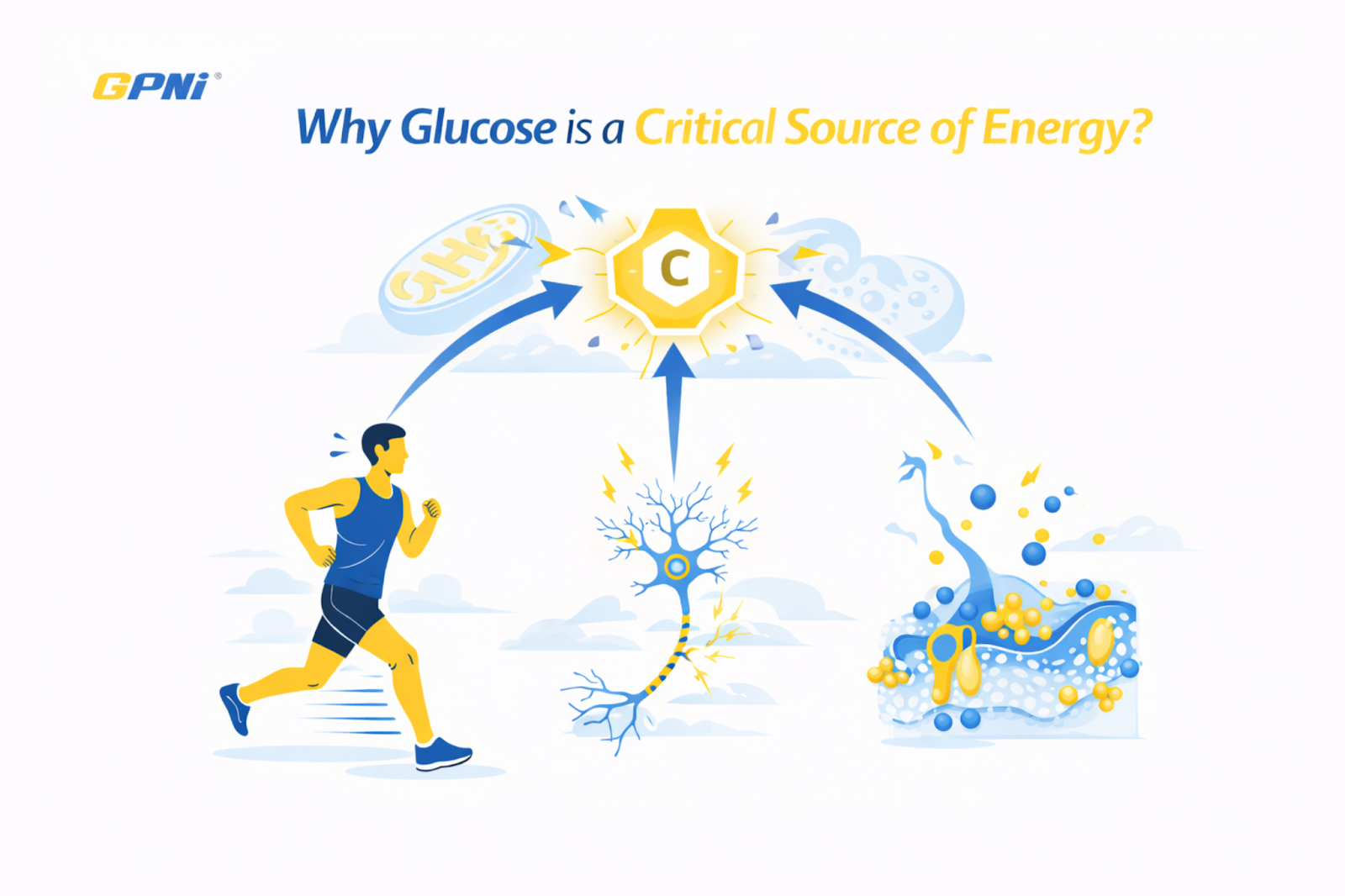
The glucose is at the heart of energy metabolism. It is broken down into ATP by specialized transporters as soon as it enters the cell.
ATP is essential for:
This process begins with glycolysis. It is a metabolic pathway which allows cells to efficiently extract energy from glucose.

The flexibility of glucose makes it a highly valuable fuel.
This adaptability allows it to support both daily activities as well as high intensity exercise. It is a cornerstone in human performance.
glucose is not only a fuel but also a building block for larger carbohydrates.
These larger carbohydrate structure act as energy reserves. Enzymes break starch or glycogen down to glucose when energy demands increase.

Imagine glycogen as a glucose bank. Stored glycogen fuels muscles and helps to maintain blood glucose during exercise, stress or fasting. It is for this reason that adequate carbohydrate consumption is important to athletic performances, quality of training and recuperation.
The body cannot meet its energy needs efficiently if it does not have enough glucose, especially during prolonged or high-intensity activity.
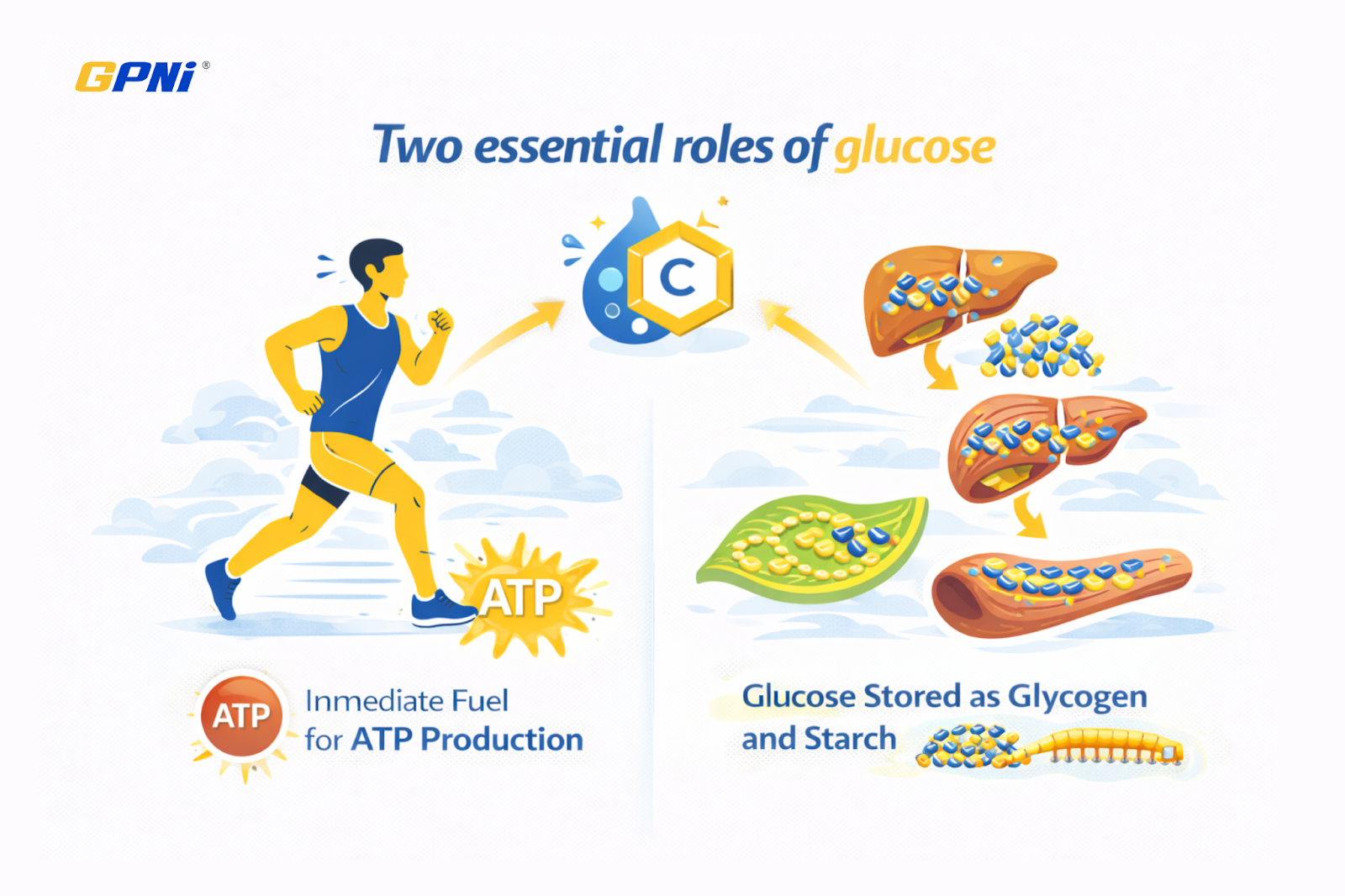
Glucose is a vital substance that performs two essential functions in the human body.
The dual role of glucose makes it one of the most important molecules for biology.
It is much more than a simple sweetener. It is a versatile fuel capable of producing energy with or without oxygen and a building block which allows the body store and release energy as needed.
Glucose metabolism plays a central role in the body's function, whether it is to support daily activity, intense exercise or long-term balance of energy.
Berg, J.M., Tymoczko, J.L., Gatto, G.J., & Stryer, L. (2015). Biochemistry (8th ed.).
Latest Articles

GPNi Webinar | The Peptide Boom: What’s Real, What’s Regulated, and What’s Risky
Today, let’s take a closer look at Rick’s upcoming presentation on the science, regulation, and market realities of peptides.

Female Athlete Triad: Why “Eating Less to Perform Better” Can Undermine Health and Performance
Female Athlete Triad is a key concept in female athlete health, linking low energy availability, menstrual disturbance, and low bone mineral density. Learn how evidence-based sports nutrition supports performance, recovery, and long-term health.

From Esports to Sports Nutrition: Are Nootropics the Next Big Trend in Performance Nutrition?
Nootropics are emerging in sports nutrition, esports, tactical performance, and brain health. Learn how cognitive nutrition may support focus, decision-making, and mental performance.

Official Study Guide: How to Prepare for SNS/CISSN Certification More Efficiently
Prepare for SNS and CISSN certification more efficiently with evidence-based study strategies, practical learning tools, and exam preparation tips.

5 Sport Nutrition “Truths” That Sound Right — But Aren’t Always True
Learn five common sport nutrition myths about protein timing, carbs, BCAAs, creatine, and pre-workout supplements — and how to think more evidence-based.
Subscribe to our newsletter and receive a selection of cool articles every week
Female Athlete Triad: Why “Eating Less to Perform Better” Can Undermine Health and Performance
12 May, 2026
Saturated Fat and Trans Fat: Why “Fat Quality” Matters in Performance Nutrition
27 Apr, 2026

Hormone-Sensitive Lipase: The Enzyme That Helps Unlock Stored Fat
17 Apr, 2026

What Does an RER Above 1.0 Mean During Exercise?
30 Mar, 2026
About