Start for as low as $169 down. Enroll today and pay over time.
Start for as low as $169 down. Enroll today and pay over time.
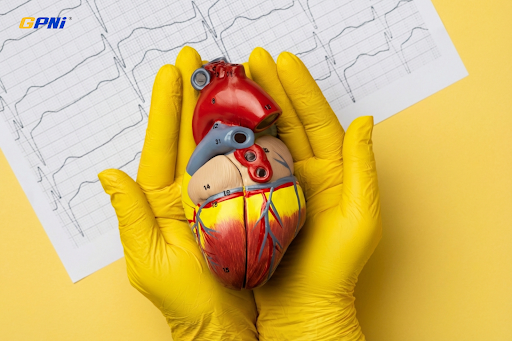
It is true that not all cholesterol behaves the same in the body. One particular type of cholesterol is protective for the heart. HDL is often called “good cholesterol,”.
Let's begin with a quick test:
Q. What is "good cholesterol" and what can reduce heart disease risk?
Answer: a) High density lipoprotein

High-Density Lipoprotein is a "good cholesterol". This is because it regulates cholesterol levels in the body. HDL does not contribute to the buildup of plaque in arteries. Instead, it helps remove excess cholesterol .
HDL particles are circulating in the blood and collect unused or excessive cholesterol from the tissues, including the linings of blood vessels. The HDL particles then transport the cholesterol back to liver where it can either be recycled or safely eliminated . This process is called reverse cholesterol transportation.
HDL promotes cardiovascular health by removing cholesterol from the arteries.
Higher levels of HDL have been associated with better heart health and a healthier lipid panel.
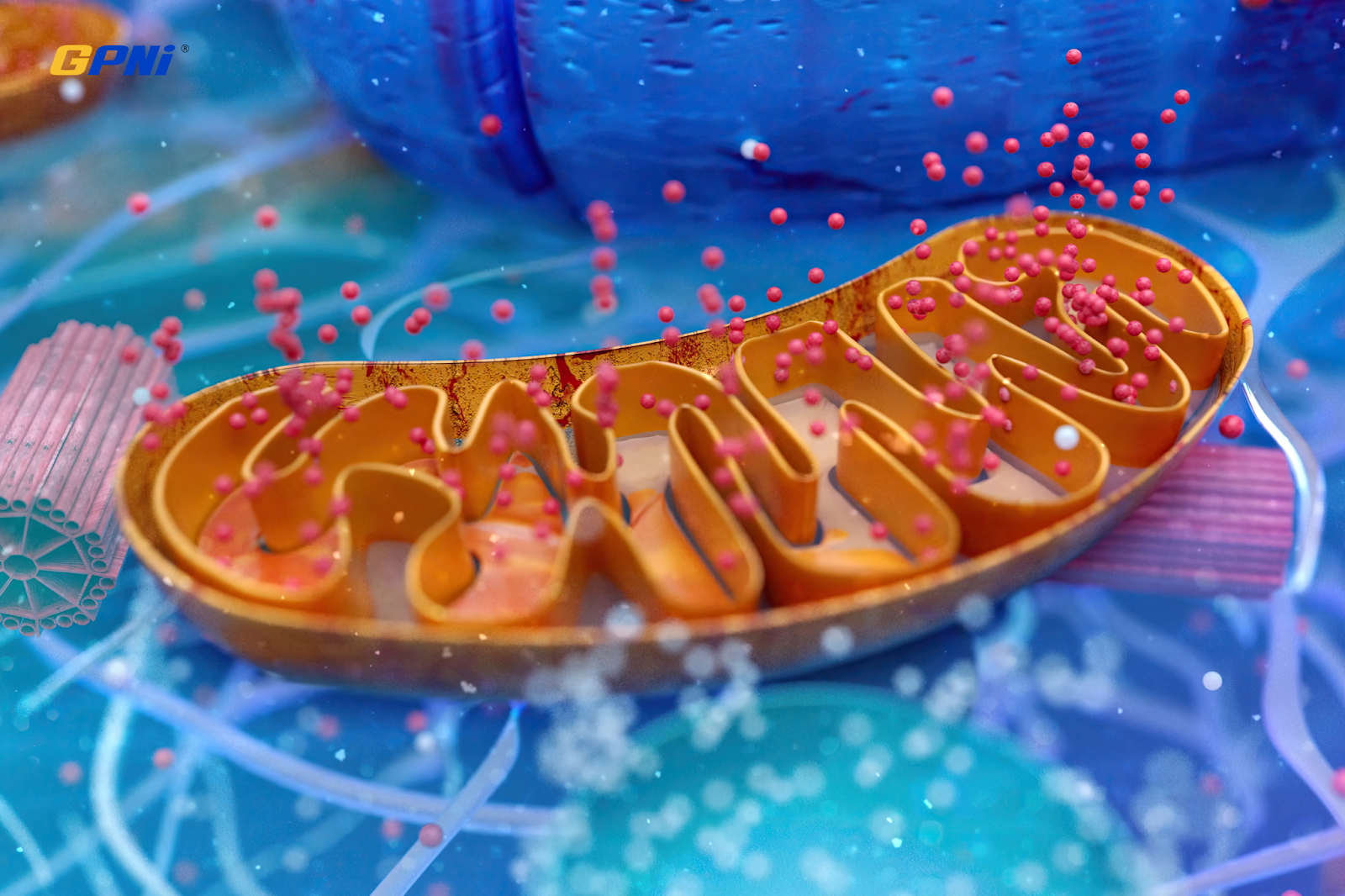
HDL plays a role in protecting the blood vessels as well as being a cholesterol carrier.
Research has shown that HDL has anti-inflammatory qualities. These properties help maintain the integrity of the vascular systems. HDL also demonstrates anti-oxidant activity and helps protect bad cholesterol against oxidative damage. Oxidized LDL contributes more to unstable plaques that increase cardiovascular risk.
HDL is viewed by many as more than a passive marker.
HDL is an important part of the larger cardiometabolic picture for athletes and physically active people. While the focus of performance is often on body composition, recovery and fueling, heart health remains important.
Lifestyle habits such as regular physical activity, balanced diet, and quitting smoking can help maintain healthy HDL levels. These lifestyle habits are not only beneficial to athletic performance, but also provide long-term protection for the cardiovascular system.

HDL is essential for maintaining heart health. It removes excess cholesterol, reduces inflammation and protects blood vessels. HDL is only a part of the lipid profile but it remains an important marker for cardiovascular health and disease prevention.
HDL is a molecule that helps to keep cholesterol in the right direction, out of arteries, and towards the liver.
Rader, D. J., & Hovingh, G. K. (2014). HDL and cardiovascular disease. Lancet, 384(9943), 618–625.
Kontush, A., & Chapman, M. J. (2010). Antiatherogenic functions of HDL. Journal of Lipid
Research, 51(8), 3124–3133.
Latest Articles

GPNi Webinar | The Peptide Boom: What’s Real, What’s Regulated, and What’s Risky
Today, let’s take a closer look at Rick’s upcoming presentation on the science, regulation, and market realities of peptides.

Female Athlete Triad: Why “Eating Less to Perform Better” Can Undermine Health and Performance
Female Athlete Triad is a key concept in female athlete health, linking low energy availability, menstrual disturbance, and low bone mineral density. Learn how evidence-based sports nutrition supports performance, recovery, and long-term health.
From Esports to Sports Nutrition: Are Nootropics the Next Big Trend in Performance Nutrition?
Nootropics are emerging in sports nutrition, esports, tactical performance, and brain health. Learn how cognitive nutrition may support focus, decision-making, and mental performance.
Official Study Guide: How to Prepare for SNS/CISSN Certification More Efficiently
Prepare for SNS and CISSN certification more efficiently with evidence-based study strategies, practical learning tools, and exam preparation tips.

5 Sport Nutrition “Truths” That Sound Right — But Aren’t Always True
Learn five common sport nutrition myths about protein timing, carbs, BCAAs, creatine, and pre-workout supplements — and how to think more evidence-based.
Subscribe to our newsletter and receive a selection of cool articles every week
Female Athlete Triad: Why “Eating Less to Perform Better” Can Undermine Health and Performance
12 May, 2026
Saturated Fat and Trans Fat: Why “Fat Quality” Matters in Performance Nutrition
27 Apr, 2026

Hormone-Sensitive Lipase: The Enzyme That Helps Unlock Stored Fat
17 Apr, 2026

What Does an RER Above 1.0 Mean During Exercise?
30 Mar, 2026
About