Start for as low as $169 down. Enroll today and pay over time.
Start for as low as $169 down. Enroll today and pay over time.
In Part 3 of this guide, we explored something that doesn’t come from textbooks: real-world experience. Working with actual people, making mistakes, adjusting, and improving your coaching is what turns theory into real skill.
Today, we’re moving into Part 4: Continuing Your Education and Practice how to keep growing once you’ve started.
Ongoing education and professional development in sports nutrition typically revolves around five key areas:
Let’s go through these one by one.
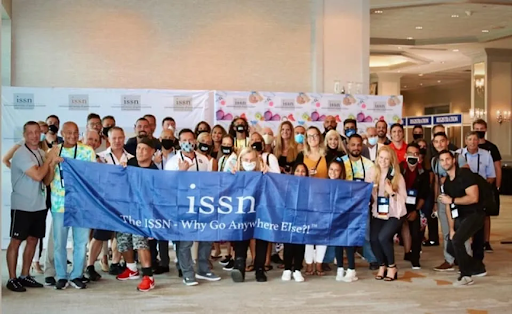
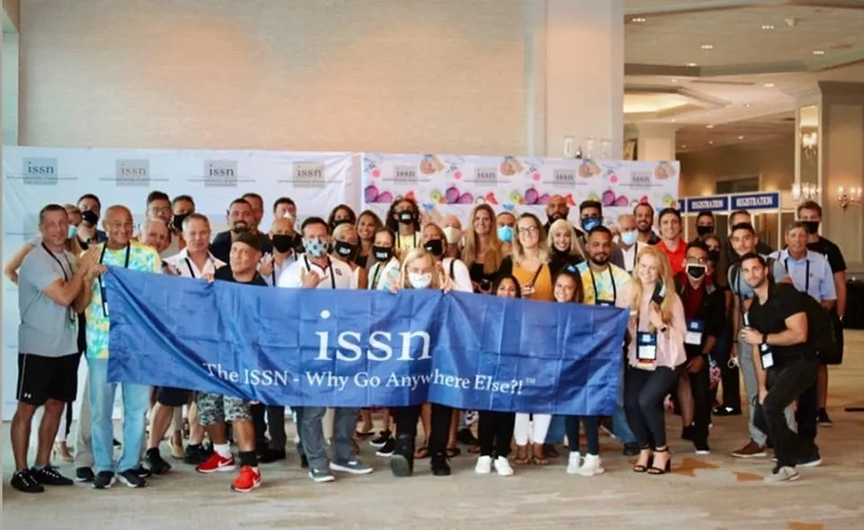
The ISSN (International Society of Sports Nutrition) runs events globally throughout the year. These conferences are not only a chance to learn they are also one of the best ways to:
You can find the ISSN conference list here:
International Society of Sports Nutrition Conferences
For example, the ISSN 23rd Annual National Conference will be held in Ft. Lauderdale Beach, Florida, from June 17–19, 2026.
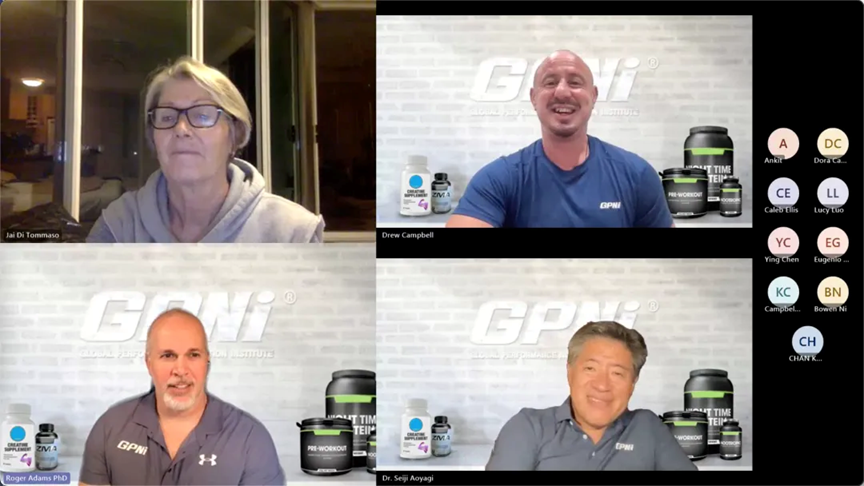
GPNi® also runs online and in-person seminars at different times throughout the year. Following GPNi® across social media and email updates is one simple way to stay aware of upcoming education opportunities.
Even if you cannot attend many events, making it a habit to join a few key seminars each year will keep your knowledge sharp and your network growing.

If you want to stay current in sports nutrition, you need at least some exposure to scientific literature.
A great place to start is the ISSN’s flagship journal:
Journal of the International Society of Sports Nutrition
JISSN focuses on topics such as:
The purpose is to bridge the gap between research and practice helping professionals identify which nutrition approaches truly support:
You don’t need to read every paper in full detail. But regularly scanning abstracts, review papers, and position stands helps you:
Neither GPNi® nor the ISSN sees education as a one-and-done process.
That’s why ongoing learning often includes:
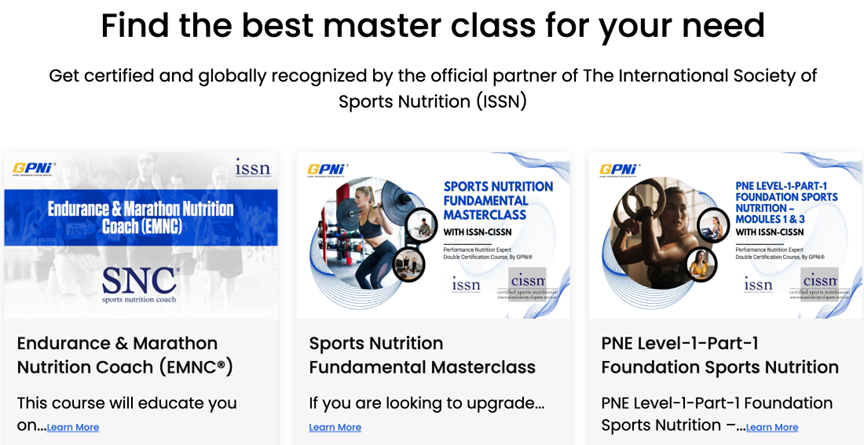
GPNi® offers professional education pathways designed to help coaches and practitioners apply science in real-world settings. Programs such as SNC courses and specialist master classes are built to provide practical tools, not just theory.
Topics may include:
Many of the master classes also include:
The value of continuing education is simple:
Even one or two well-chosen courses per year can meaningfully improve how you coach and what you offer.
A good mentor can save you years of trial and error.
Look for someone more experienced a coach, nutritionist, or educator who is already doing the kind of work you want to do.
Then:
At GPNi®, we encourage ongoing mentorship at every level even instructors continue learning from more specialised professionals. Great teachers are usually great students first.
You can learn from mentors in two ways:
A practical tip when asking for advice
Give context and show genuine interest.
Instead of suddenly asking someone for mentorship with no background, take time to:
Most professionals are far more open when they see you have made effort rather than sending a random message asking, “Can you mentor me?”
We say “creating content” rather than “pumping out content” for a reason.
The industry is obsessed with constant output more posts, more videos, more updates often at the expense of depth and quality. Some professionals end up prioritising volume over actually becoming better coaches.
Sharing useful information is valuable, and it often becomes part of long-term success. But it should grow out of:
Teaching and coaching are skills. Like any skill, they improve through repetition and practice.
Instead of focusing on how many people saw your last post, you’ll often get more long-term value by focusing on:
When you are ready to create content, you have many options:
Where you focus should depend on:
This is an era of huge content volume but also huge opportunity. If you create high-quality content that reflects your personality and values, you will gradually build a platform that stands out.

With Part 4, we’ve now completed the four theoretical parts of How to Become a High-Calibre Sports Nutrition Coach:
But this isn’t the end.
We will continue publishing our “A Day in the Life of a Sports Nutritionist & Expert” features as an ongoing series real stories from professionals in the field, designed to guide, inspire, and support you as you build your own path in this world of sports nutrition.
Latest Articles

GPNi Webinar | The Peptide Boom: What’s Real, What’s Regulated, and What’s Risky
Today, let’s take a closer look at Rick’s upcoming presentation on the science, regulation, and market realities of peptides.

Female Athlete Triad: Why “Eating Less to Perform Better” Can Undermine Health and Performance
Female Athlete Triad is a key concept in female athlete health, linking low energy availability, menstrual disturbance, and low bone mineral density. Learn how evidence-based sports nutrition supports performance, recovery, and long-term health.

From Esports to Sports Nutrition: Are Nootropics the Next Big Trend in Performance Nutrition?
Nootropics are emerging in sports nutrition, esports, tactical performance, and brain health. Learn how cognitive nutrition may support focus, decision-making, and mental performance.
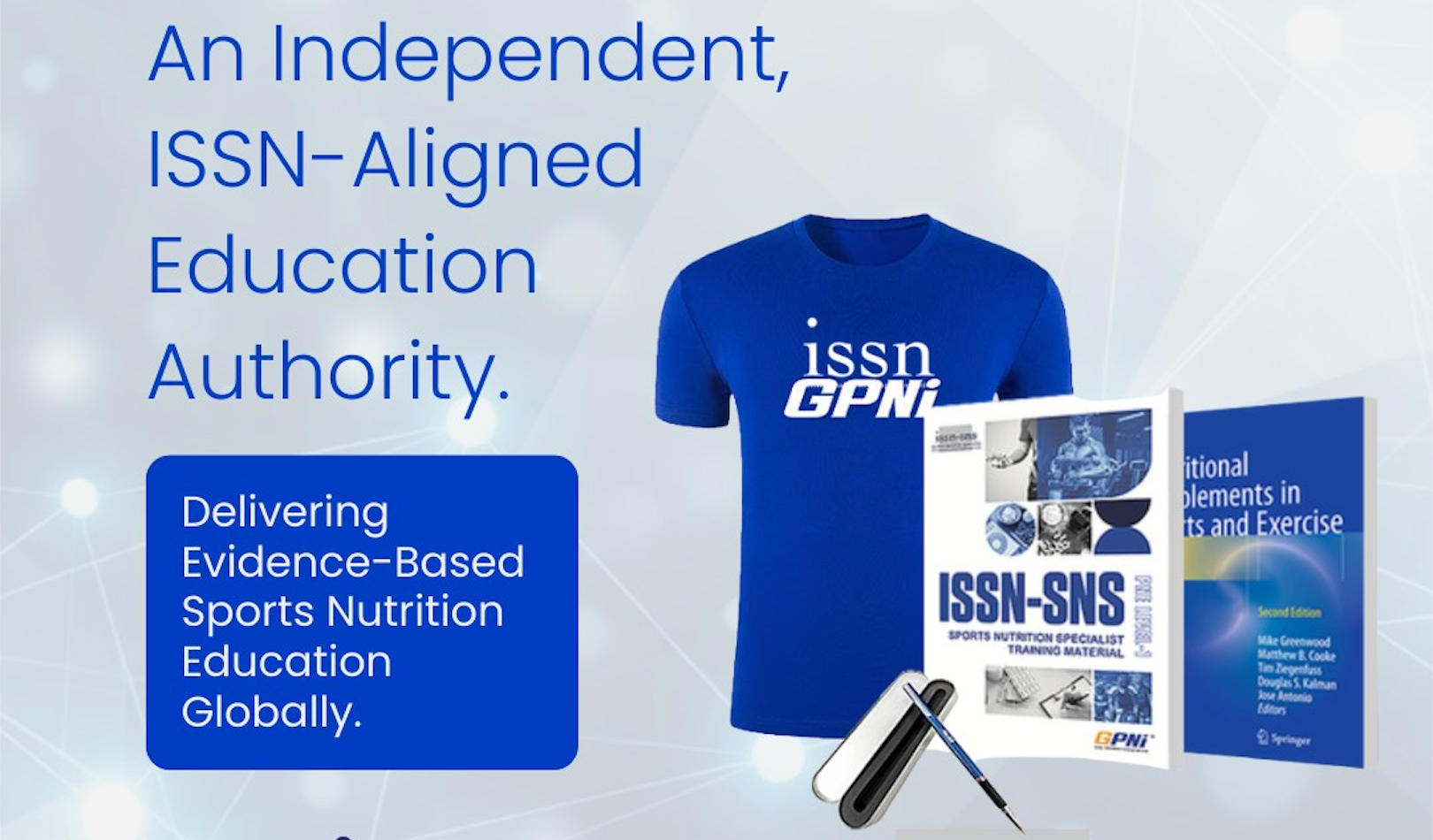
Official Study Guide: How to Prepare for SNS/CISSN Certification More Efficiently
Prepare for SNS and CISSN certification more efficiently with evidence-based study strategies, practical learning tools, and exam preparation tips.

5 Sport Nutrition “Truths” That Sound Right — But Aren’t Always True
Learn five common sport nutrition myths about protein timing, carbs, BCAAs, creatine, and pre-workout supplements — and how to think more evidence-based.
Subscribe to our newsletter and receive a selection of cool articles every week
Official Study Guide: How to Prepare for SNS/CISSN Certification More Efficiently
12 May, 2026

When ChatGPT Writes the Meal Plan: What Still Makes a Sports Nutrition Professional Irreplaceable?
27 Apr, 2026
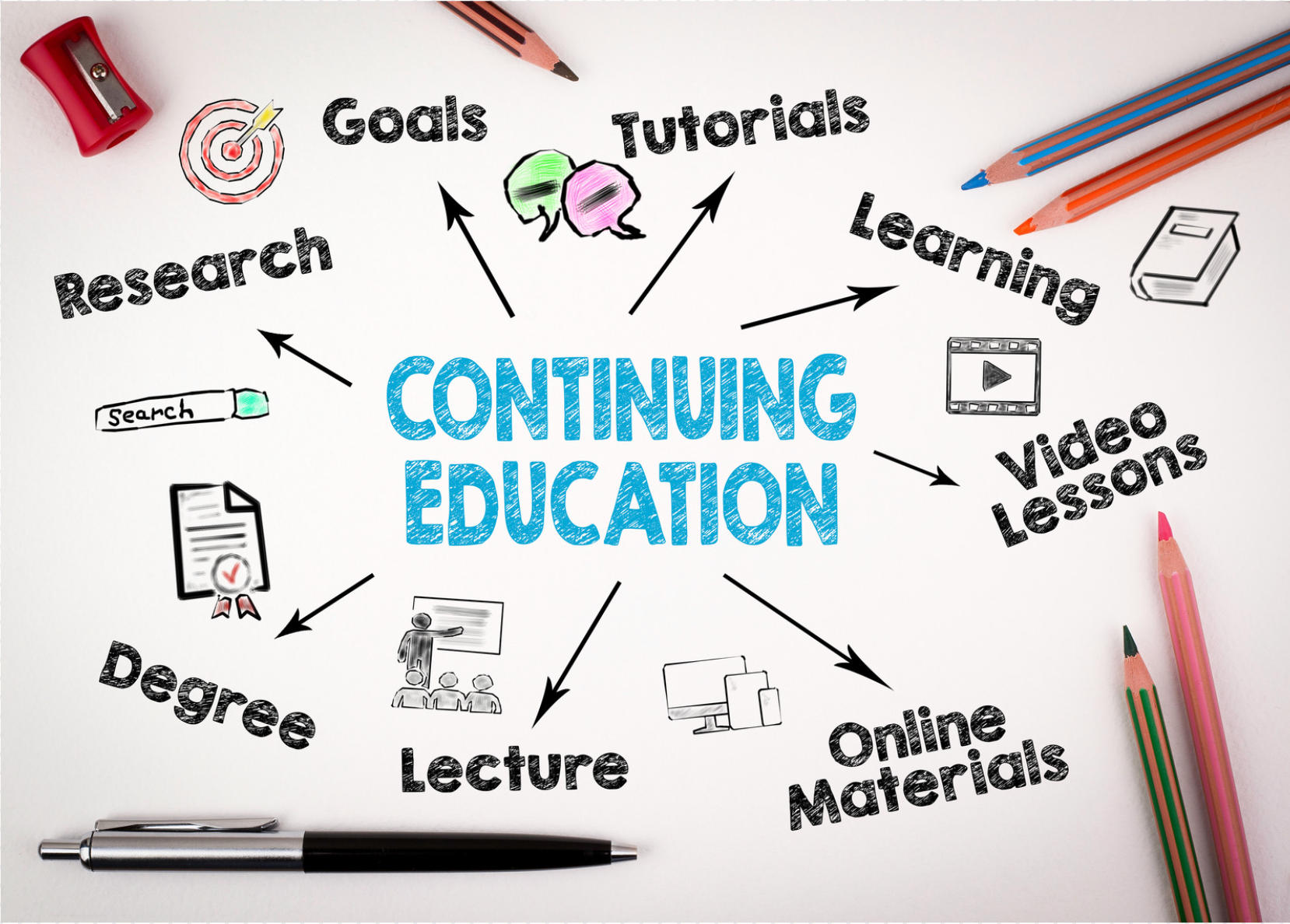
CEC Guide | Have You Earned Enough Continuing Education Credits This Year?
17 Apr, 2026
Sports Nutritionist vs Nutritionist | What Does a Sports Nutritionist Actually Do?
27 Mar, 2026
About