Start for as low as $169 down. Enroll today and pay over time.
Start for as low as $169 down. Enroll today and pay over time.

In earlier parts of this series, we talked about what sports nutritionists and sports nutrition coaches actually do, and what types of qualifications and education you might pursue.
We’ve seen that the role can be complex. You need a solid understanding of nutrition science and a solid understanding of sports performance. You’re not just giving generic diet tips you’re building nutrition strategies that help athletes reach a specific body composition and peak at the right time in their season.
We also mentioned that “sports nutrition” is a broad career label, with many possible directions. That’s why the first step is to get clear on what kind of work you want to do and then move deliberately toward that goal.
To be successful in this field, you’ll need to:
So far, How to Become a High-Calibre Sports Nutrition Coach has covered two theoretical pillars:
Alongside this, we’ve also been running our interview series, A Day in the Life of a Sports Nutritionist & Expert, so you can see how real professionals work, think, and build their careers in practice.
Today, we’re going back to the theory side but with a very practical focus:
How to Become a High-Calibre Sports Nutrition Coach
Part 3: Building Experience as a Sports Nutritionist or Coach
This step is crucial.
Experience with real people is the most valuable asset you will build.
Nutrition theory, mechanisms, and meta-analyses are essential they give you your foundation. But the moment you start working with real clients, you’ll discover things that textbooks and research papers don’t fully prepare you for.
You’ll start noticing that:
In practice, nothing replaces the lessons you get from:
Trying, failing, adjusting, and improving your coaching.
The more cases you see and the more you reflect on them the faster you grow.
Many people delay coaching because they think they should “hold off” until they:
In reality, this mindset often backfires for two main reasons:
1) Your learning will be much slower if you don’t coach early
Without real clients, you have no context to test your knowledge. That makes it harder to develop competence and it takes much longer to improve.
2) The moment when you “know enough” never truly arrives
Ask any experienced professional and you’ll hear the same thing: the more you learn, the more you realise how much there still is to learn. Waiting until you “know everything” is a recipe for never starting.
So recognise the fear but don’t let it drive your decisions.
Start building real experience as soon as you reasonably can.
Below are some straightforward, practical strategies you can use.

1) Get a Job - Anywhere You Can Work With People
If you can land a coaching role, that’s a huge win.
It may not be your dream job. The pay, schedule, or conditions may not be ideal. But if it gives you consistent opportunities to work with real clients, it has value.
Right now, your main filter shouldn’t be “Is this perfect forever?” but:
“Will this help me learn, practise, and improve as a coach?”
Better money, more flexibility, and more selective roles can come later. Early on, prioritise environments where you can coach, observe, and learn.
2) Internships, Work Experience, and Shadowing
If a paid role isn’t available yet, look for unpaid or low-paid opportunities that still give you exposure and skill development:
Think of this as a long-term investment.
Choose people or organisations with strong standards, and use that time to:
The goal is to absorb lessons from professionals who are already doing the work you want to do.
3) Work for Free or “Cheap” at the Start
Another option is to start independently and build a small client base from scratch.
In the early stages, this might look like:
At this point, the value is not the money. The value is the chance to:
Later, as your skills improve, you can refine your service, set clearer boundaries, and raise your prices. But your early cases are often what your future career and business will be built on.

4) Learn by Listening
This is a quieter, more passive way of gaining experience but it is still powerful.
You can learn a lot simply by:
This isn’t forced networking it’s just two people sharing real professional experience.
These conversations often reveal:
Treat these conversations as part of your education.
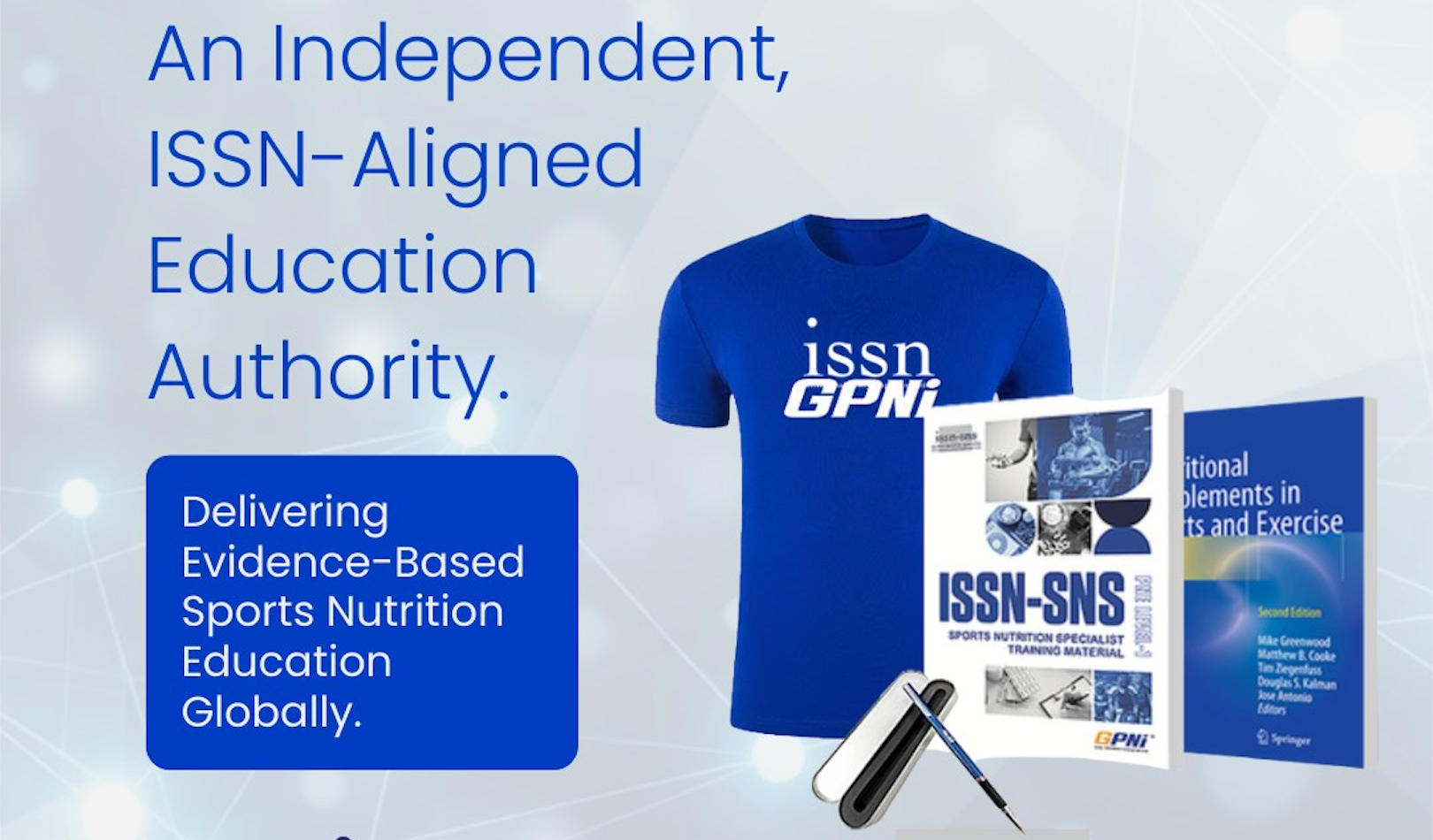
At this stage, education is most valuable when it supports practice. That’s why structured programs like GPNi®’s ISSN-aligned certifications are designed to provide both evidence-based knowledge and practical frameworks that can be applied with real clients.
Education gives you direction. Coaching experience gives you real competence.
The fastest growth happens when both are developed together.
That wraps up Part 3 of the Sports Nutritionist & Coach Career Guide: Building experience as a sports nutritionist or coach.
In Part 4, we’ll look at what happens after your initial qualifications and self-learning:
How do you keep growing, stay up to date with the science, and continue your education and practice over the long term?
We’ll dive into that next time.
Latest Articles

GPNi Webinar | The Peptide Boom: What’s Real, What’s Regulated, and What’s Risky
Today, let’s take a closer look at Rick’s upcoming presentation on the science, regulation, and market realities of peptides.

Female Athlete Triad: Why “Eating Less to Perform Better” Can Undermine Health and Performance
Female Athlete Triad is a key concept in female athlete health, linking low energy availability, menstrual disturbance, and low bone mineral density. Learn how evidence-based sports nutrition supports performance, recovery, and long-term health.

From Esports to Sports Nutrition: Are Nootropics the Next Big Trend in Performance Nutrition?
Nootropics are emerging in sports nutrition, esports, tactical performance, and brain health. Learn how cognitive nutrition may support focus, decision-making, and mental performance.
Official Study Guide: How to Prepare for SNS/CISSN Certification More Efficiently
Prepare for SNS and CISSN certification more efficiently with evidence-based study strategies, practical learning tools, and exam preparation tips.

5 Sport Nutrition “Truths” That Sound Right — But Aren’t Always True
Learn five common sport nutrition myths about protein timing, carbs, BCAAs, creatine, and pre-workout supplements — and how to think more evidence-based.
Subscribe to our newsletter and receive a selection of cool articles every week
Official Study Guide: How to Prepare for SNS/CISSN Certification More Efficiently
12 May, 2026

When ChatGPT Writes the Meal Plan: What Still Makes a Sports Nutrition Professional Irreplaceable?
27 Apr, 2026

CEC Guide | Have You Earned Enough Continuing Education Credits This Year?
17 Apr, 2026

Sports Nutritionist vs Nutritionist | What Does a Sports Nutritionist Actually Do?
27 Mar, 2026
About