Start for as low as $169 down. Enroll today and pay over time.
Start for as low as $169 down. Enroll today and pay over time.
The Global Performance Nutrition Institute (GPNi®) has never been just a certification provider. From the very beginning, our goal has been to give students a solid stepping stone something that helps them move forward in their careers, gain more experience, deepen their theoretical knowledge, and build long-term professional qualifications in the industry.
Earning the ISSN Sports Nutrition Certification through GPNi® is an excellent starting point for any coach who wants to better support clients and athletes. But like any career, if you want to go further, you’ll need continued education and a higher level of professional skill.
That’s why we created the Sports Nutritionist & Coach Career Guide, a resource divided into five parts. It’s designed to help you understand where you are now, where you’d like to go, and what direction to grow in.
Part 1 - What Do Sports Nutritionists and Coaches Actually Do?
This section explains the different types of day-to-day work and responsibilities of professional sports nutritionists and coaches.
Part 2 - What Qualifications and Education Do I Need?
An overview of the main career paths in sports nutrition, the qualifications each path typically requires, and what you need to do to reach that level.
Part 3 - Building Real-World Experience as a Sports Nutritionist or Coach
A focus on how to grow practical knowledge and experience beyond traditional courses and degrees.
Part 4 - Continuing Your Education and Practice
A deeper look at how to keep learning formally and informally even after completing your initial certifications and degrees.
Part 5 - A Day in the Life of a Sports Nutrition Professional
Real case studies of sports nutritionists and specialists from different backgrounds what they do daily, how they work, and what their careers really look like. This will be an ongoing series featuring one person each month as inspiration and guidance.
Today, we’ll start with Part 1: What do sports nutritionists and coaches actually do?
Working as a sports nutrition coach is very different from working as a sports nutrition researcher.
In a broad sense, you might find yourself:
All of these are nutrition-related roles, and there are many more.

However, from a professional sports performance perspective, a qualified sports nutritionist’s main responsibility is to help athletes apply targeted nutrition strategies so they can perform at their best. This means understanding not only what to eat, but also how food affects the body and performance.
People working in sports nutrition research go a step further. They study:
A sports nutritionist must then translate this science into practice building nutrition plans that balance carbohydrates, protein, fats, and micronutrients according to the demands of the sport. In strength and power sports, as well as endurance sports like running and swimming, nutrition is critical.
From an academic perspective, a sports nutritionist may be:
Careers in academia may not always be as financially rewarding at the start as some industry roles, but as your qualifications and reputation grow, academic pathways can open additional benefits and long-term opportunities.
Most people begin their journey at the coaching level often as a personal trainer who wants to understand nutrition better to help clients more effectively.
Whether you eventually become:
many people start from the same place: hands-on coaching experience and genuine passion for training and nutrition. That passion is often what pushes individuals to keep learning and go further.
Compared to a registered dietitian or specialist sports nutritionist, a personal trainer’s knowledge of nutrition is usually more limited but it is still often deeper than the average person’s, and deeper than many “self-taught” coaches who haven’t had formal education.

As a sports nutritionist or sports nutrition professional, your job is to help athletes choose foods that match their:
In the United States, for example, sports nutritionists often work with universities and sports teams, especially at the professional and Olympic levels. Each state has its own licensing or certification process for dietitians and nutrition professionals. The title “dietitian” is usually more strictly regulated than “nutritionist,” which is important to understand if you plan to work there.
This role can be complex. You need:
You’re not just giving general dietary advice you’re designing nutrition strategies that help an athlete reach their ideal body composition and peak performance at exactly the right time in their competitive season.
Athletes often need to peak for a competition, qualifying event, or championship. Nutrition is one of the key factors that helps them arrive at that moment in their best possible condition. The best sports nutritionists know how to use food and supplementation to support that process.
As a personal trainer, your main responsibility is to ensure your clients have a clear and realistic understanding of:
With this knowledge, you can give better guidance on:
so that your clients can train harder, gain muscle, lose fat, and recover better.
At this stage, your advice stays within a general, educational scope. It is not medical advice and not a substitute for treatment or diagnosis. You’re not playing the role of a clinical dietitian or doctor instead, you’re providing accurate and practical information to help clients get better results in the gym and in everyday life.

That wraps up Part 1 of the Sports Nutritionist & Coach Career Guide:
“What do sports nutritionists and coaches actually do?”
In Part 2, we’ll look at the next big question:
“What qualifications and education should I pursue?”
Stay tuned.
Latest Articles

GPNi Webinar | The Peptide Boom: What’s Real, What’s Regulated, and What’s Risky
Today, let’s take a closer look at Rick’s upcoming presentation on the science, regulation, and market realities of peptides.

Female Athlete Triad: Why “Eating Less to Perform Better” Can Undermine Health and Performance
Female Athlete Triad is a key concept in female athlete health, linking low energy availability, menstrual disturbance, and low bone mineral density. Learn how evidence-based sports nutrition supports performance, recovery, and long-term health.

From Esports to Sports Nutrition: Are Nootropics the Next Big Trend in Performance Nutrition?
Nootropics are emerging in sports nutrition, esports, tactical performance, and brain health. Learn how cognitive nutrition may support focus, decision-making, and mental performance.
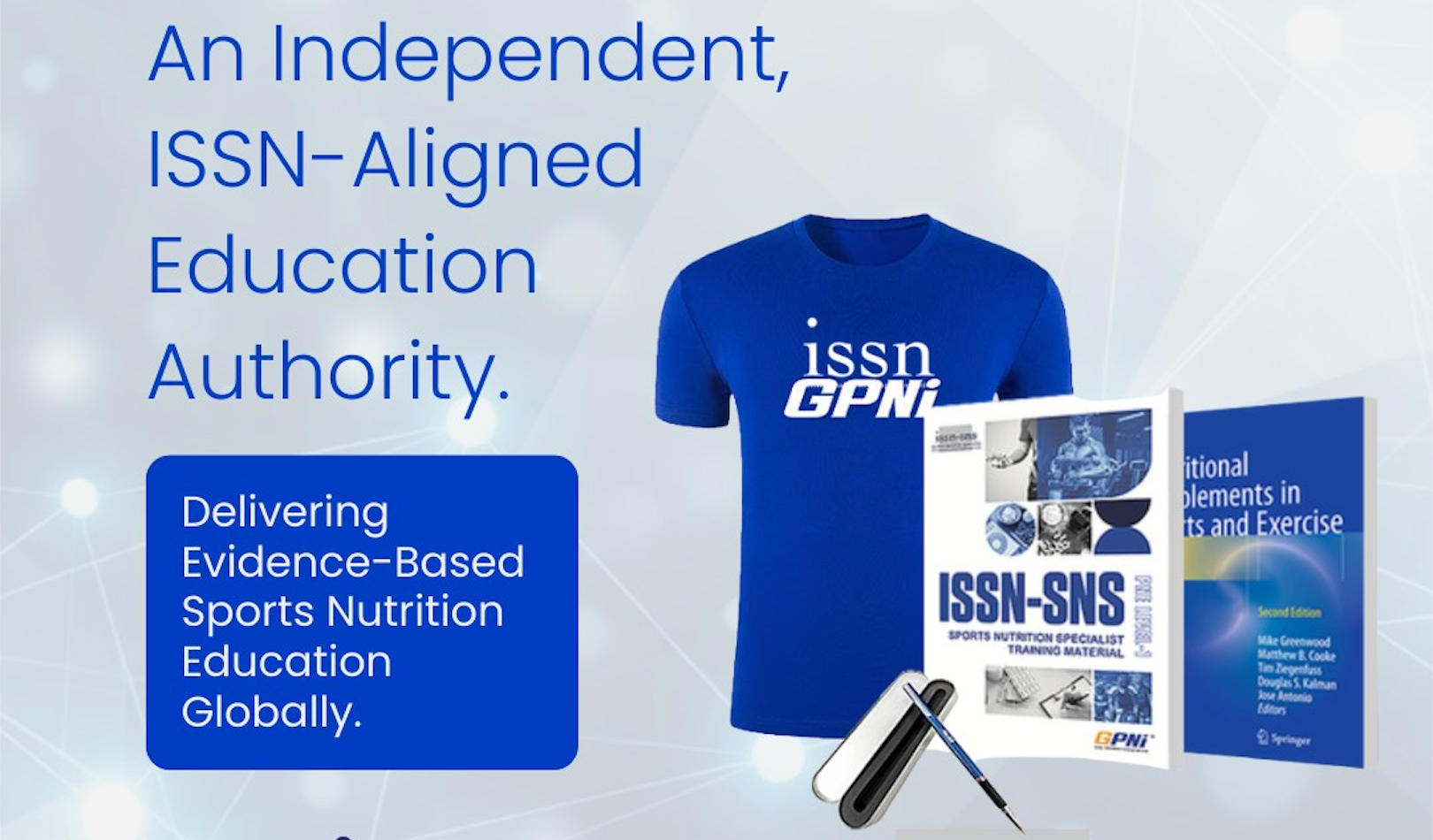
Official Study Guide: How to Prepare for SNS/CISSN Certification More Efficiently
Prepare for SNS and CISSN certification more efficiently with evidence-based study strategies, practical learning tools, and exam preparation tips.
5 Sport Nutrition “Truths” That Sound Right — But Aren’t Always True
Learn five common sport nutrition myths about protein timing, carbs, BCAAs, creatine, and pre-workout supplements — and how to think more evidence-based.
Subscribe to our newsletter and receive a selection of cool articles every week
Official Study Guide: How to Prepare for SNS/CISSN Certification More Efficiently
12 May, 2026

When ChatGPT Writes the Meal Plan: What Still Makes a Sports Nutrition Professional Irreplaceable?
27 Apr, 2026

CEC Guide | Have You Earned Enough Continuing Education Credits This Year?
17 Apr, 2026

Sports Nutritionist vs Nutritionist | What Does a Sports Nutritionist Actually Do?
27 Mar, 2026
About