Start for as low as $169 down. Enroll today and pay over time.
Start for as low as $169 down. Enroll today and pay over time.
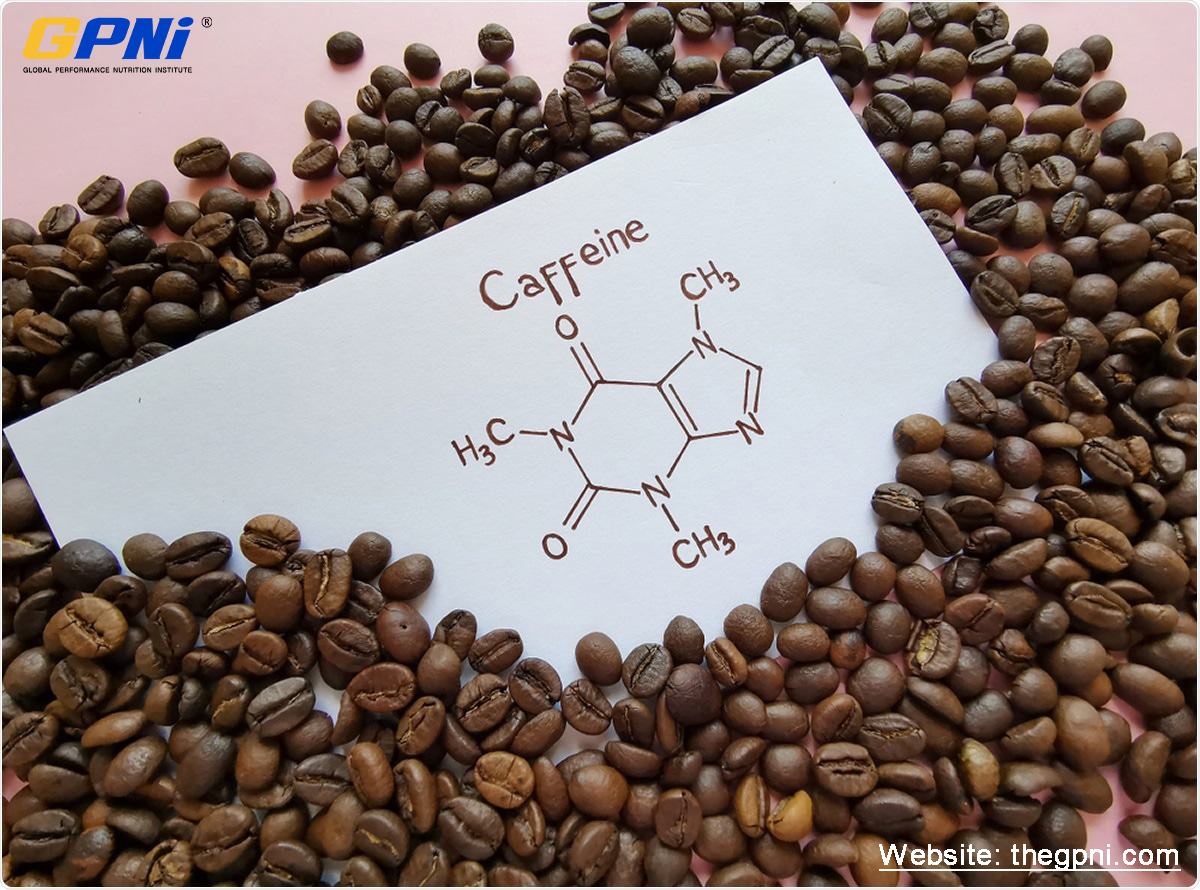

Caffeine is a stimulant found in coffee, tea, and cacao plants. It stimulates the brain and central nervous system, boosting alertness and preventing fatigue. Athletes frequently use caffeine. Historically, it is said that the first tea was brewed in 2737 B.C. Several years later, the coffee bean was discovered by an Ethiopian shepherd who noticed how much energy it gave his goats. The late 1800s were marked by the introduction of caffeine-infused soft drinks, which soon led to energy drinks. Today, approximately 80% of the world's population consumes caffeine daily, and North America's adult population consumes caffeine supposedly as high as a 90%.
As soon as caffeine is consumed, it quickly enters the bloodstream. The liver then processes it into compounds that can impact the activities of various organs. However, caffeine's main work is on the brain. It works by blocking the effects of adenosine, a neurotransmitter that relaxes the brain and causes tiredness. In most people, adenosine builds up over the day, making them sleepy and exhausted, but caffeine keeps people awake by connecting to brain adenosine receptors without activating them.
Additionally, it may stimulate the brain's release of dopamine and norepinephrine and raise the level of blood adrenaline. Combined, these actions further arouse the brain and promote a state of alertness, focus, and vigilance.

Various plants naturally contain caffeine in their seeds, nuts, or leaves. Caffeinated foods and beverages are produced from these natural sources. Here are the average amounts of caffeine contained in popular beverages, measured at a serving size of 8 ounces:
Additionally, caffeine can be found in prescription and over-the-counter medications for colds, allergies, and pain. Several weight loss supplements contain it as well.
Trainers, athletes, and coaches started using plant-based substances such as caffeine and strychnine to gain competitive advantage as far back as 1900. They continued to use several other combinations of pharmaceutical cocktails until heroin and cocaine were restricted to prescriptions in the 1920s, and then anti-doping programs were introduced by the International Olympic Committee (IOC) in the late 1960s.
On the research front, In the first days of the study of caffeine, William Rivers and Harald Webber, both psychologists at Cambridge University, studied its psychological and physiological effects. Using themselves as subjects, Rivers and Webber investigated the effects of caffeine on muscle fatigue. They used well-designed studies from 1906 to 1907, based on double-blind placebo-controlled trials and diet standardization (e.g., alcohol, caffeine). Through the 1940s, extensive research was also conducted on the effects of caffeine on exercise performance involving more subjects, different sports, and exploring other variables such as the effects of trained versus untrained individuals. Since then, more and more studies have been conducted to examine the effects of caffeine on sports performance
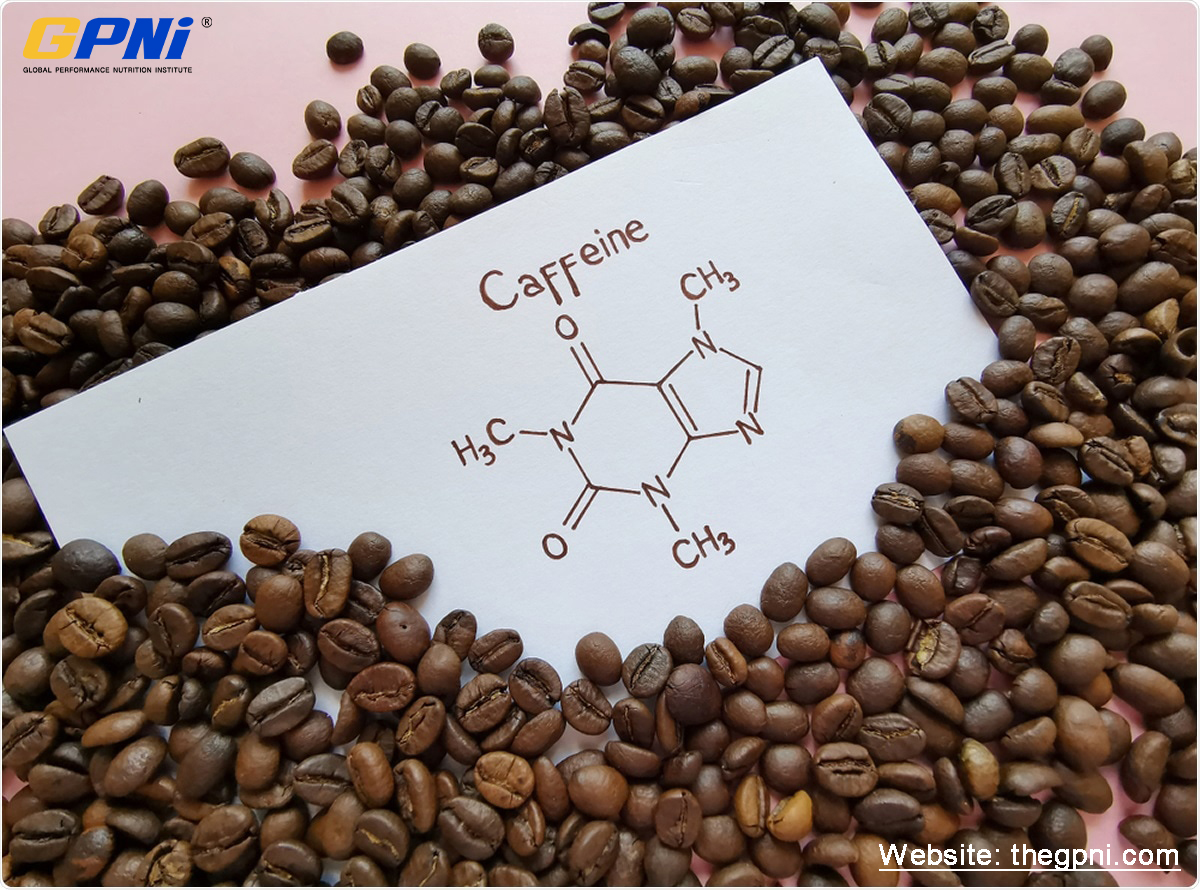
The actual effects of caffeine on exercise and sports performance are a most sought-after fact that we at the Global Performance Nutrition Institute (GPNi®) get asked a great deal. After several studies and trials, it has been concluded that there are definite positive effects of caffeine on exercise and sports. The International Society of Sports Nutrition stated its position (after extensive research) on caffeine’s effect on exercise or sports performance, and here are some of the key conclusions:
These conclusions indicate that it is a scientific fact that caffeine enhances aspects of sports and exercise performances.
All professional sports have rules against doping. Therefore, it is essential to note whether caffeine is considered a banned substance in sports. Initially, the IOC and World Anti-Doping Agency (WADA) added caffeine to banned substances in 1984 and 2000, respectively. Then, it was deemed doping if the urinary caffeine concentration was above 15 μg/ml. In 1985, the threshold was reduced from 15 μg/ml to 12 μg/ml. This cut-off value was selected to distinguish it from typical amounts consumed daily or social coffee consumption.
However, caffeine was taken off the list of "controlled" substances by the IOC and WADA in 2004, sparking renewed interest in caffeine use by athletes. The world anti-doping agency still monitors caffeine, though, and athletes are encouraged to maintain urine caffeine concentrations below the limit of 10 mg/kg body mass orally ingested over several hours (a level more than triple the amount reported as enhancing performance). Caffeine is also prohibited by the National Collegiate Athletic Association (NCAA) if the concentration of caffeine in urine exceeds 15 μg/ml, well above the WADA 'monitored substance' level, and far above sufficient amounts to be ergogenic.

In conclusion, it is recommended that athletes keep their urine caffeine concentration levels within the required limits. Even though these limits are far beyond the levels of caffeine that studies have deemed enough to improve performances.
Although some research has shown to have little to no adverse-affects with normal use of caffeine, it is important to also understand possibly the other flip side of the coin when evaluating whether caffeine is for you, especially if you consume too much.
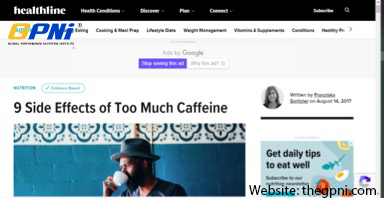
Read more here: https://www.healthline.com/nutrition/caffeine-side-effects#TOC_TITLE_HDR_4
Caffeine is safe for people when taken within the proper limits. However, high doses of caffeine come with dangerous risks and side effects, including:
The American Psychiatric Association's Diagnostic and Statistical Manual of Mental Disorders (DSM) includes caffeine-induced anxiety disorder as one of four caffeine-related syndromes. Caffeine is reported to cause nervousness, jitteriness, and similar effects in some people at very high intakes, even though moderate consumption may have similar effects on caffeine-sensitive individuals.
One of the most valued traits of caffeine is its ability to help people stay awake.
Too much caffeine, however, can make it challenging to get restorative sleep. Researchers have found that caffeine consumption increases the time needed to fall asleep. Additionally, it may decrease the total sleeping time for those advanced in age.
Caffeine does not come without health benefits, but it can become habit-forming, leading to psychological and physical dependence, especially when taken at high doses.

Caffeine is undoubtedly helpful and possesses myriads of health benefits as well as benefits for athletes. However, like most things, excess is dangerous and can lead to severe complications. Therefore, most research recommends regulating caffeine intake and limiting it to prescribed amounts, however, can be safe and beneficial when used correctly for most people.
Latest Articles

GPNi Webinar | The Peptide Boom: What’s Real, What’s Regulated, and What’s Risky
Today, let’s take a closer look at Rick’s upcoming presentation on the science, regulation, and market realities of peptides.

Female Athlete Triad: Why “Eating Less to Perform Better” Can Undermine Health and Performance
Female Athlete Triad is a key concept in female athlete health, linking low energy availability, menstrual disturbance, and low bone mineral density. Learn how evidence-based sports nutrition supports performance, recovery, and long-term health.
From Esports to Sports Nutrition: Are Nootropics the Next Big Trend in Performance Nutrition?
Nootropics are emerging in sports nutrition, esports, tactical performance, and brain health. Learn how cognitive nutrition may support focus, decision-making, and mental performance.

Official Study Guide: How to Prepare for SNS/CISSN Certification More Efficiently
Prepare for SNS and CISSN certification more efficiently with evidence-based study strategies, practical learning tools, and exam preparation tips.

5 Sport Nutrition “Truths” That Sound Right — But Aren’t Always True
Learn five common sport nutrition myths about protein timing, carbs, BCAAs, creatine, and pre-workout supplements — and how to think more evidence-based.
Subscribe to our newsletter and receive a selection of cool articles every week

A review on effects of conjugated linoleic fatty acid (CLA) upon body composition and energetic metabolism
14 May, 2025

Sex differences and considerations for female specific nutritional strategies: a narrative review
14 May, 2025
Effects of protein intake prior to carbohydrate-restricted endurance exercise: a randomized crossover trial
14 May, 2025
Structure and trends of international sport nutrition research between 2000 and 2018: bibliometric mapping of sport nutrition science
14 May, 2025
About